
Planting
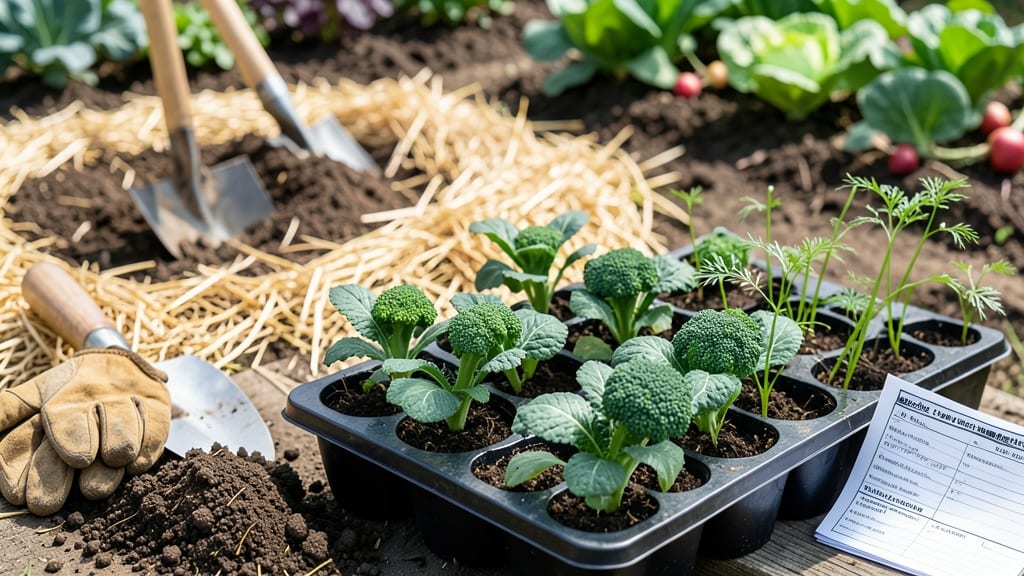
Planting your fall garden in South Texas between late August and early October is the key to beating the heat and frost risks that wreck yields.
Picture this: you’ve spent months prepping your soil, only to watch your seedlings bolt in September heat or get nipped by a surprise frost. The difference between a thriving 🥬 harvest and a flop often comes down to timing—and knowing the exact windows for each crop.
South Texas’ 9a-10a climate means no traditional frost dates, but summer’s lingering heat can still stress young plants. The solution? Plant when soil temps drop below 85°F and focus on heat-tolerant varieties that transition smoothly into cooler months.
In this guide, I’ll break down the ideal planting schedule, the 5 biggest mistakes gardeners make (and how to avoid them), and how to stretch your harvest well into December—without losing everything to late-season surprises.
South Texas fall planting calendar: exact dates by crop type
Timing your fall garden in South Texas requires precision—avoid the scorching summer heat while preparing for rare early frost risks. Unlike northern regions, our USDA Zones 9a-10a allow year-round growing, but strategic planting ensures maximum harvests before temperatures dip.
Start with heat-tolerant varieties in late summer, then transition to cooler-season crops.
Your planting window spans from mid-August to early October, with 6-8 weeks until the average December 15 frost date (though frost is rare). Focus on two planting phases: early heat-lovers (like okra and sweet potatoes) and cool-season crops (such as kale and carrots).
Soil temperatures below 85°F signal it’s time to plant.
For heat-tolerant varieties, prioritize late August plantings of crops like okra and sweet potatoes, which thrive in 90°F+ temperatures. These summer-to-fall transition plants need well-draining soil and consistent watering to handle the South Texas heat.
Plant seeds directly into the ground after soil temperatures drop below 85°F—test with a soil thermometer for accuracy.
Shift to cool-season crops by mid-September, focusing on leafy greens and root vegetables. These plants prefer 60-70°F soil and partial shade as days grow shorter.
Use row covers if nights dip below 60°F to protect tender seedlings. Succession plant every 2-3 weeks to extend harvests—plant radishes first (they mature in 25 days) followed by carrots and kale.
Herbs like basil and cilantro should be sown by early September to avoid bolting in the heat. Cool-season herbs such as parsley and dill can wait until late September.
Always water herbs deeply at the base to prevent fungal diseases. Mulch heavily around herb beds to maintain even soil moisture.
Flowers add color and pollinators to your fall garden. Start with heat-loving annuals like marigolds in late August, then transition to cool-season blooms such as pansies by mid-September. These frost-resistant flowers will brighten your garden until December. Deadhead spent blooms to encourage continuous flowering.
Avoid overcrowding seedlings, which leads to poor air circulation and disease. Thin seedlings to 12-18 inches apart
5 Common fall gardening mistakes in South Texas (and how to Fix them)
South Texas’ unpredictable climate makes fall gardening tricky—one wrong move and your 🥬 harvest could vanish. I’ve seen gardeners lose 50%+ of their crops by ignoring these critical mistakes. The first? Planting too early when soil temps still hover above 85°F, causing seedlings to bolt or wilt.
Another common blunder is skipping soil prep after summer’s heat. Without amending your beds with compost or organic matter, your plants struggle to establish roots before winter sets in. Even in USDA Zones 9a-10a, poor soil drainage can drown tender fall crops like lettuce or spinach.
⚠️ callout warning ⚠️
🚨 Mistake #1: Ignoring Microclimates
South Texas isn’t uniform—your north-facing beds can be 10°F cooler than south-facing ones. Plant heat-sensitive crops (like kale) in shaded spots and heat-tolerant varieties (such as malabar spinach) in full sun.
✅ Fix: Use shade cloth (30-50%) for early plantings and monitor temps with a soil thermometer.
Mistake number two? Overlooking frost risks, even in our mild climate. While rare, a December frost can damage broccoli or cabbage in a single night. Many gardeners assume "no frost" means no protection—but a light freeze (below 32°F) can still ruin tender greens.
Third, watering inconsistently after planting. New roots need deep, frequent watering (1-2 inches per week) to avoid stress. I’ve seen seedlings collapse from shallow watering or midday irrigation, which burns leaves. Always water in the early morning to reduce evaporation and fungal risks.
Another pitfall is planting the wrong varieties. Not all cool-season crops thrive in South Texas’ humidity. For example, Swiss chard bolts faster here than in drier climates, while collard greens handle our heat better. Always choose heat-tolerant or slow-bolting varieties labeled for long, hot summers.
Finally, neglecting mulch in fall gardens is a game-changer. A 2-3 inch layer of straw or wood chips retains moisture, regulates soil temp, and suppresses weeds—saving you 30%+ on water bills while protecting roots. Skip this, and your soil dries out faster, stunting growth.