
Planting
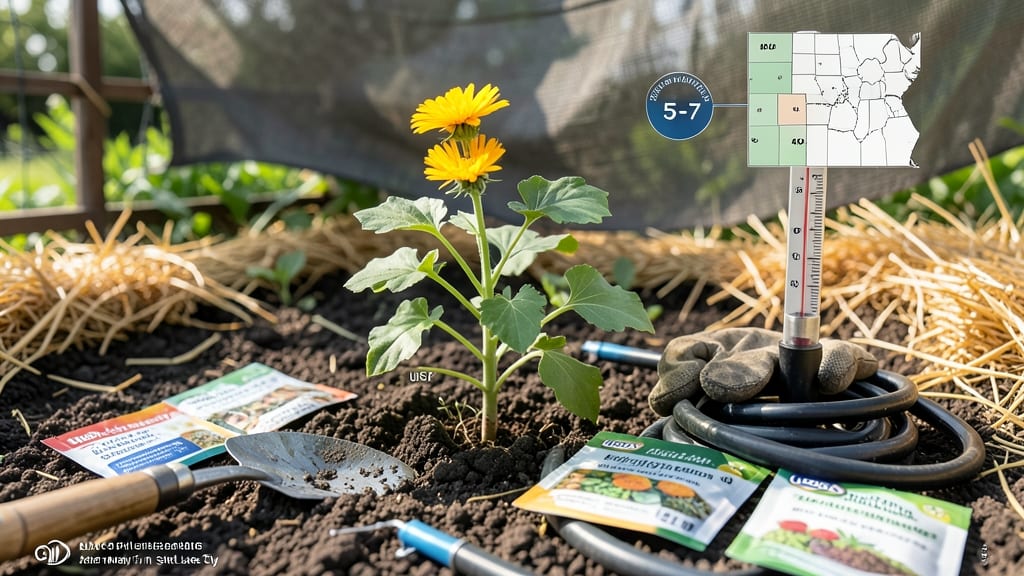
Planting a garden in Utah means timing your seeds to survive the state’s 100-degree swings—from alpine freezes to desert heat—without guessing.
Utah’s diverse microclimates—from high desert valleys to alpine slopes—mean your garden’s planting timeline can vary by hundreds of days. Get it wrong, and your seeds could freeze overnight.
But follow this science-backed guide, and you’ll know exactly when to plant for maximum yield—whether you’re in St. George, Salt Lake City, or Park City.
Most Utah gardeners wait until mid-April to early June for spring crops, but high-elevation areas like Park City may need to delay until late May. Fall planting? Late August to September works best for cool-season 🌱 General Garden Plants like kale and peas.
Below, I break down the frost-free zones, microclimate tweaks, and pro tips to stretch your growing season—so you’re harvesting instead of second-guessing.
Utah’s frost-free zones: when to plant by USDA hardiness Zone
Utah spans five USDA hardiness zones (4-9), creating dramatic shifts in planting windows. In Zone 4 (northern mountains), the last frost lingers until June 15, while Zone 9a (St. George) enjoys frost-free conditions until November 15.
This variation means your tomato seeds might go in March in southern Utah but wait until May in the Wasatch Front.
Understanding these zones helps you avoid frost damage to tender plants like peppers and basil. Hardy crops like kale and peas can handle cooler temps, while eggplants and cucumbers need warm soil to thrive.
Let’s break down the optimal planting windows for each zone, including soil temperature thresholds and first/last frost dates.
Here’s your zone-specific planting calendar, including temperature thresholds for direct sowing and transplanting:
| Zone | Last Frost Date | First Frost Date | Frost-Free Days | Plant Hardy Crops | Plant Tender Crops | Soil Temp Threshold |
|---|---|---|---|---|---|---|
| 4 (Logan, Ogden) | May 20 | September 20 | 125 days | April 15 (peas, spinach) | June 1 (tomatoes, peppers) | 50°F+ |
| 5 (Salt Lake City) | May 5 | October 10 | 158 days | March 20 (kale, broccoli) | May 15 (cucumbers, beans) | 55°F+ |
| 6 (Provo, Park City) | May 10 | October 5 | 148 days | March 1 (onions, lettuce) | May 1 (tomatoes, peppers) | 50°F+ |
| 7 (Cedar City) | April 15 | November 1 | 190 days | February 15 (spinach, peas) | April 1 (eggplants, basil) | 60°F+ |
| 9a (St. George) | February 15 | December 1 | 310 days | January 1 (broccoli, carrots) | March 1 (tomatoes, peppers) | 65°F+ |
Notice how Zone 9a (St. George) has a 310-day frost-free season, while Zone 4 (Logan) only gets 125 days. This means you can grow year-round crops in southern Utah but must stick to cool-season vegetables in the mountains.
For example, tomatoes thrive in St. George by March, but in Salt Lake City, wait until mid-May when soil warms to 55°F.
For fall planting
Microclimate adjustments: how elevation and urban heat islands shift planting times
Utah’s microclimates create planting puzzles—what works in St. George’s desert heat fails in Park City’s alpine chill. The key? Adjusting your planting timeline by 2-4 weeks depending on where you live.
In high-elevation areas like Logan or Ogden, wait 2-4 weeks after the official last frost date, while urban heat islands (like Salt Lake Valley) let you plant 1-2 weeks earlier than zone averages.
For example, my tomatoes in Salt Lake City thrive when planted in mid-April, but in Cedar City, I delay until late May to avoid late frosts.
Desert regions like St. George offer extended growing seasons—up to 12 months for hardy crops—if you use nighttime irrigation to combat extreme daytime heat.
Here’s how three Utah regions compare—use this as your planting timeline guide:
In high-elevation areas, focus on cold-hardy crops like kale and peas for early planting. My trick? Start seeds indoors in March and transplant after Memorial Day. For urban heat islands, prioritize shade-loving plants like basil or lettuce to avoid bolting.
In desert regions, water deeply at dusk to reduce evaporation—this keeps soil moisture stable for 3-5 days longer than daytime watering.
Pro tip: Use a soil thermometer to confirm readiness. Most Utah soils need to hit 50°F before planting warm-season crops like tomatoes or peppers. In St. George, I’ve seen 30°F swings daily—so adjust your schedule based on nighttime lows, not daytime highs.
Remember, microclimates aren’t just about elevation—they’re shaped by wind exposure, soil type, and even building materials. If your garden sits near a concrete wall, it’ll heat up faster than open fields.
Test your spot for a week: place a thermometer in the soil at 6 inches deep and adjust your planting date based on real data.
By mastering these adjustments, you’ll double your harvest without the guesswork. Start with one microclimate tweak this season—like delaying high-elevation planting or adding mulch in heat islands—and watch your garden thrive.