
Planting
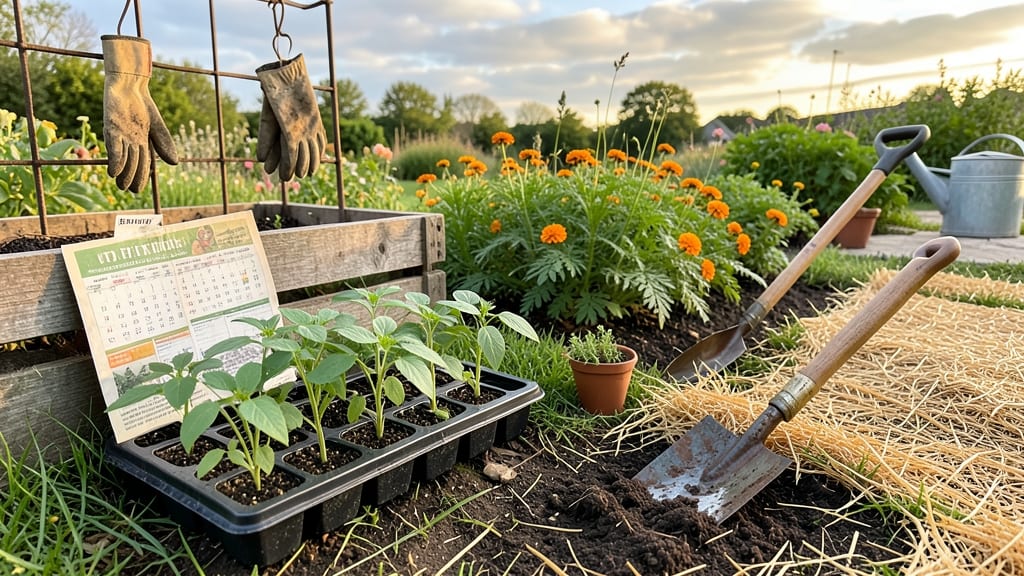
Planting a garden in Kentucky at the right time means the difference between a thriving harvest and a fight against frost or pests.
Kentucky’s diverse climate—from the Bluegrass Region’s mild winters to the Appalachian Mountains’ cooler zones—means your garden’s success hinges on planting at the perfect time. Get it wrong, and you’ll battle pests, frost, or stunted growth. But follow these zone-specific guidelines, and you’ll enjoy a bountiful harvest all season long.
Whether you’re sowing cool-season crops like lettuce or warm-season favorites like tomatoes, timing is everything. The key is knowing your USDA zone (6a-7a), last frost dates, and soil conditions to maximize growth.
Below, I break down the best planting windows for Kentucky gardens, soil prep tips, and how to extend your growing season with simple tricks like row covers.
Kentucky planting zones & best months by crop type (Zone 5-8 guide)
Kentucky spans USDA Zones 5-8, creating a unique gardening challenge with varying frost dates and microclimates. The Bluegrass Region (Zone 6) typically warms earlier than the Appalachian Mountains (Zone 5-6), while Western Kentucky (Zone 7-8) enjoys longer growing seasons.
Understanding these zones helps you time plantings perfectly for your specific location.
For most of Kentucky, the last spring frost arrives between mid-April and early May, while the first fall frost hits mid-October to early November.
These dates shift slightly by zone—Zone 5 areas (e.g., Eastern KY) may see frost until May 15, while Zone 8 (Western KY) can plant tomatoes in March without risk. Always check your local frost dates for precision.
Cool-season crops like lettuce, kale, and peas thrive when planted 4-6 weeks before the last frost. In Kentucky, that means mid-March to early April for most zones. Warm-season crops like tomatoes, peppers, and cucumbers need to wait until 2-3 weeks after the last frost, typically late April to early May. Fall planting for cool-season crops starts mid-August to early September.
| Crop Type | Best Planting Months (Zone 5-8) | Key Notes |
|---|---|---|
| Cool-Season Vegetables | March-April (Spring) / August-September (Fall) | Lettuce, spinach, broccoli, peas |
| Warm-Season Vegetables | May-June (After last frost) | Tomatoes, peppers, beans, cucumbers |
| Herbs | March-April (Basil, Cilantro) / May-June (Rosemary, Thyme) | Basil hates frost; rosemary thrives in heat |
| Flowers | April-May (Annuals) / September (Fall-bloomers) | Marigolds, zinnias, cosmos, pansies |
| Perennials | April-May (Spring) / September (Fall) | Daylilies, coneflowers, lavender |
🌱 Adjust dates 1-2 weeks earlier for Zone 8 (Western KY) or later for Zone 5 (Eastern KY)
In Zone 5 (Eastern KY), where winters are colder, start cool-season crops indoors in February and plant outdoors by mid-April. Zone 8 (Western KY) gardeners can plant warm-season crops like okra as early as March and enjoy longer harvests into November.
For heat-sensitive crops like cucumbers and squash, use shade cloth in July-August to prevent bolting.
For fall gardens, prioritize fast-maturing crops like radishes, turnips, and kale planted by late July. Broccoli and cabbage can handle light frosts, so plant them by mid-August for a winter harvest.
In Zone 7-8, you might even get a second tomato crop if planted by early July and harvested before frost.
Extend your season with row covers or cold frames. These tools let you plant spinach and carrots 3-4 weeks earlier in spring or harvest greens 2-3 weeks later in fall.
In Zone 6 (Bluegrass Region), this means planting peas in late February under covers or keeping kale growing until December. Always remove covers during pollination days for vegetables like cucumbers and squash.
If you’re new to Kentucky gardening, start with cool-season crops like lettuce and radishes—they’re forgiving of timing errors. Warm-season crops demand more precision, so use soil thermometers to confirm 60°F+ soil temps before planting tomatoes and peppers.
In Zone 5, wait until May 10 for these heat-lovers, while Zone 7-8 can plant by April 15.
Remember: Kentucky’s humidity affects planting too. Fungal diseases thrive in wet conditions, so space plants properly and water at soil
Soil preparation checklist for Kentucky gardens: pH, drainage & amendments by region
Kentucky’s soil varies dramatically by region—clay-heavy in the West, loamy in the Bluegrass, and acidic in the Appalachians. Without proper prep, your plants will struggle, no matter how perfect your planting timing.
The key is testing your soil pH, improving drainage, and adding the right organic amendments before the first seed goes in the ground.
Start by testing your soil’s pH with a home test kit or send a sample to your local Cooperative Extension Service. Most vegetables thrive in a pH of 6.0–7.0, while blueberries and azaleas need acidic soil (pH 4.5–5.5).
If your soil is too alkaline, add sulfur or peat moss; if too acidic, use lime or wood ash.
🌱 Soil Prep by Kentucky Region
| Region | Common Soil Type | Drainage Fix | Best Amendment |
|---|---|---|---|
| Bluegrass | Loamy | Add compost | Compost + worm castings |
| Western KY | Clay-heavy | Raised beds | Sand + compost |
| Appalachian | Acidic | Test pH | Lime + pine needles |
For clay soils, mix in coarse sand or perlite to improve drainage, and top with 2–3 inches of compost to retain moisture. In loamy soils, focus on adding organic matter like leaf mold or well-rotted manure to boost fertility.
If your soil is sandy, incorporate peat moss or coconut coir to hold water.
Don’t forget to mulch after planting—use straw or wood chips to suppress weeds, retain moisture, and regulate soil temperature. In Kentucky’s humid climate, mulch also helps prevent soil-borne diseases like fungal infections. Apply a 2–4 inch layer around plants, keeping it away from stems to avoid rot.
Finally, consider cover cropping in fall or winter. Plant clover or winter rye to fix nitrogen in the soil, then till it under in spring. This natural fertilizer is perfect for Kentucky’s nutrient-hungry soils and reduces the need for synthetic amendments.
With the right soil prep, your Kentucky garden will have the ideal foundation for healthy plants—no matter what you’re growing. Start testing and amending 6–8 weeks before planting to give nutrients time to integrate into the soil.