
Picking
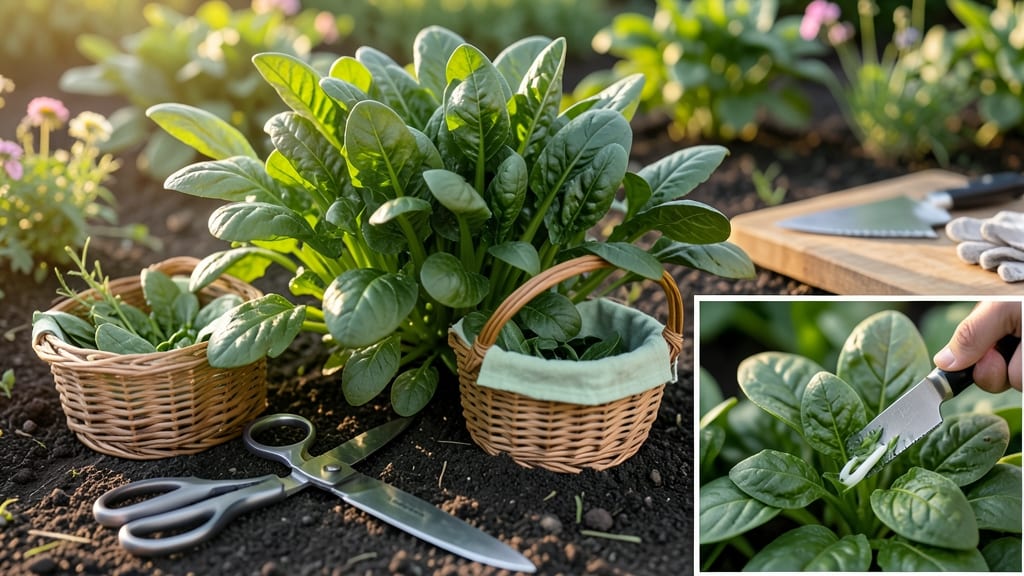
You should pick spinach from your garden when the leaves reach 4 to 6 inches and are bright green and tender 🍃 — this is when flavor and texture peak.
Picture this: you’ve nurtured your spinach for weeks, only to pull a leaf that tastes bitter or woody. That’s the difference between knowing when to harvest and guessing. Timing isn’t just about size—it’s about avoiding the heat stress that turns sweet greens into tough, bolted stalks.
Spring spinach in Zone 6a thrives in cool weather, so aim for harvests between May and June before temperatures climb. Fall plantings? Snag those tender leaves by October before frost hits. The key is consistency—harvest outer leaves first to keep the plant producing.
Below, I’ll break down the three leaf stages to watch for, plus pro tips to extend your harvest season without sacrificing flavor. Ready to turn your garden into a never-ending salad bowl?

3 Key leaf stages for harvesting spinach (with visual cues)
Spinach is one of those magical garden vegetables where timing your harvest makes all the difference between mild, tender greens and tough, bitter leaves. The secret lies in understanding the three key leaf stages—each offering different flavors, textures, and regrowth potential.
I’ve learned that harvesting at the right moment can extend your spinach season by weeks, giving you a continuous supply of fresh greens.
First, let’s tackle the baby leaf stage, which is perfect for microgreens or salads. These tiny leaves appear about 30-40 days after planting and measure just 2-3 inches long.
They’re packed with flavor but delicate, so they’re best used immediately. The trade-off? You’ll sacrifice some regrowth potential since the plant focuses energy on developing larger leaves.
| Stage | Leaf Size | Color | Texture | Harvest Tip |
|---|---|---|---|---|
| Baby Leaves | 2-3 inches | Bright green | Tender, soft | Use immediately for salads |
| Mature Leaves | 4-6 inches | Deep green | Crisp, firm | Harvest outer leaves first |
| Overgrown | 6+ inches | Yellowing | Tough, bitter | Avoid; risk of bolting |
The mature leaf stage is where most gardeners aim for their harvest, typically around 45-50 days after planting. At this point, leaves reach 4-6 inches long and develop a deep green color with a crisp, slightly thick texture.
This is the sweet spot for flavor and regrowth—cutting outer leaves encourages the plant to produce more inner leaves, giving you a continuous harvest for weeks.
Here’s the trick I’ve mastered: never harvest more than one-third of the plant at once. This prevents stress and ensures the spinach keeps producing. For example, if you’re growing a 12-inch-wide plant, leave at least 8 inches of growth to maintain vigor.
The key visual cue? Look for leaves that are fully unfurled but still tender—not woody or stringy.
Now, let’s talk about the overgrown stage, which is where many gardeners go wrong. Once leaves exceed 6 inches and start yellowing at the edges, your spinach is past its prime.
The texture becomes tough and fibrous, and the flavor turns bitter—a common sign of bolting, where the plant shifts energy from leaves to seed production. This stage usually hits around 60 days for most varieties, especially in hot weather.
To avoid this, I’ve found that regular harvesting is non-negotiable. Even if you don’t use all the leaves immediately, cutting them back every 7-10 days keeps the plant productive.
For example, in my Zone 6a garden, I harvest baby leaves in early spring, then shift to mature leaves as temperatures rise. This staggered approach ensures I don’t end up with a patch of bitter, overgrown spinach by summer.
Seasonal timing also plays a huge role. In spring and fall, when temperatures are cooler, spinach grows slowly but stays tender longer. That’s why I prioritize mature leaves in these seasons, knowing they’ll regrow well.
However, during hot summer months, spinach bolts quickly, so I focus on baby leaves or early harvests before the heat sets in. A simple trick? Use shade cloth if your summers are intense.
One of my biggest lessons came from a fall harvest gone wrong. I waited too long to pick my spinach, and by the time I noticed the yellowing, the leaves were tough and bitter.
Now, I set a reminder every 5 days to check my plants, especially in late summer and early fall when days get shorter. The goal? Always harvest before the plant signals it’s stressed—whether through color changes or leaf texture.
For those growing spinach in containers or small spaces, the same rules apply, but with a twist: harvest even more conservatively. Since container-grown spinach has limited root space, cutting too much can stunt growth.
I’ve had success with weekly baby leaf harvests from container plants, using them in smoothies or as garnishes. This method keeps the plant happy and extends the harvest window by 30-40%.
Finally, don’t overlook the visual cues that tell you it’s time to harvest. Bright green leaves with a slight gloss are your friends, while dull, curling, or yellowing leaves are warning signs. Pro tip: Harvest in the morning when leaves are at their crispest and most flavorful.
This simple habit has made a world of difference in the quality of my spinach, whether I’m using it in salads, sautéing it, or blending it into soups.
How to harvest spinach without killing the plant (step-by-step)
Harvesting spinach correctly is the secret to a never-ending supply of tender greens. Unlike many vegetables, spinach thrives when you cut it strategically—never pulling the whole plant. The key is to remove leaves selectively while leaving the roots intact, so the plant keeps producing fresh growth for weeks.
I’ve learned the hard way that harvesting spinach wrong can turn your lush plants into bitter, woody messes. But with the right techniques—like using the right tools and timing your cuts—you’ll enjoy a steady harvest all season long. Let’s break it down into simple, foolproof steps.
🌱 Step-by-Step Spinach Harvest Guide
- Step 1: Wait for the right leaf size—harvest when outer leaves reach 4-6 inches long. Smaller leaves are fine for baby spinach, but larger leaves signal maturity.
- Step 2: Use sharp scissors or pruning shears—never pull leaves by hand. Dull tools crush stems and invite disease. Cut just above the soil line for outer leaves or 1 inch above the crown for larger harvests.
- Step 3: Avoid cutting more than 1/3 of the plant at once. Over-harvesting stresses spinach and can trigger bolting (flowering). Leave the inner leaves and center rosette to regrow.
- Step 4: Harvest in the morning when leaves are crisp and hydrated. Avoid harvesting after rain or in hot afternoon sun, which makes leaves wilt faster.
- Step 5: Fertilize lightly after harvest to replenish nutrients. Use a balanced 10-10-10 fertilizer (1 tbsp per plant) and water deeply to encourage regrowth.
- Step 6: Time your harvests seasonally—spring and fall are ideal. In hot weather (above 80°F), spinach bolts quickly, so focus on morning harvests and shade cloth if needed.
Pro tip: If your spinach starts to bolt (send up flower stalks), it’s time to harvest the entire plant. Bolted spinach is still edible but loses its tender texture. Pull the whole plant and compost it to prevent reseeding.
With these steps, my spinach plants have given me 3-4 harvests per season instead of just one. The secret? Consistency—harvest regularly, and your spinach will reward you with a steady supply of fresh, flavorful greens all season long. 🌿