
Picking
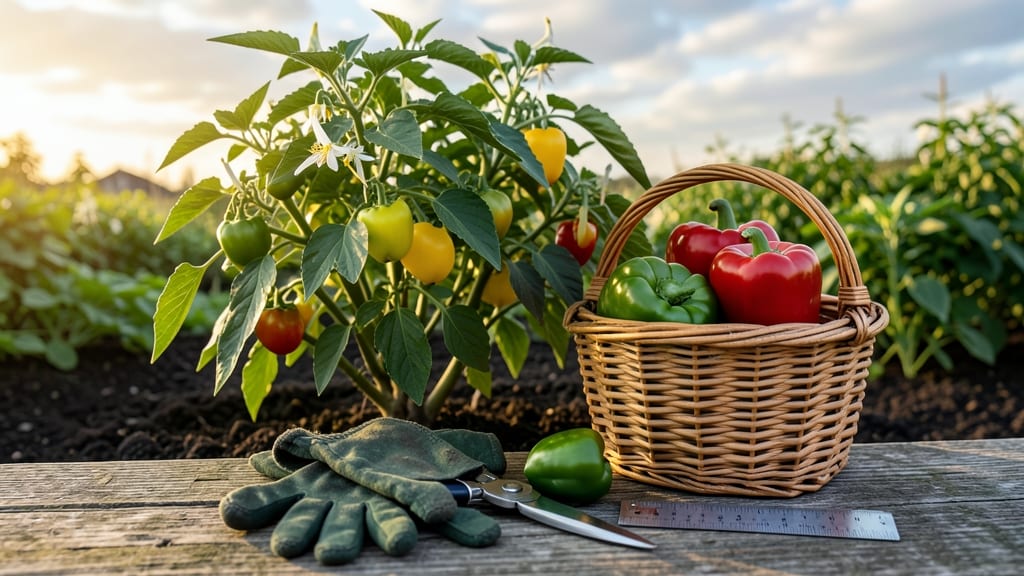
To pick peppers from your garden at their flavor peak, timing matters more than you might think—especially when color shifts from green to red or yellow.
Wondering why your peppers aren’t bursting with flavor? Timing is everything—pick too early, and you’ll sacrifice sweetness; wait too long, and they’ll turn mealy. Here’s your color-coded guide to harvesting 🌶️ at peak perfection for the most vibrant taste and texture.
Most gardeners focus on color, but ripeness also depends on firmness, size, and even the weather. A pepper that looks ripe might still be tough or underripe if the days are too hot or too cool.
Below, I’ll break down the exact stages to harvest each type—from green bell peppers to fiery habaneros—plus how to test readiness and store them for maximum shelf life.

Peppers ripeness by color: the exact timing for optimal flavor
Harvesting peppers at the right time transforms bitter greens into sweet, vibrant flavors. The color of your pepper isn’t just about looks—it’s a flavor clock telling you when to pick. Green peppers are often harvested early, but waiting for full color can mean 3x more sugar and complex flavors.
Let’s break down the exact timing for each pepper color and why it matters.
Peppers change color due to chlorophyll breakdown and sugar accumulation. A red bell pepper, for example, has 50% more vitamin C than its green counterpart. But timing varies by variety—some, like jalapeños, are best red, while others, like banana peppers, shine yellow.
Understanding these shifts ensures you’re harvesting at peak flavor, not just color.
🌶️
| Pepper Color | Ripeness Stage | Days to Full Ripeness | Flavor Profile | Harvest Tip |
|---|---|---|---|---|
| Green | Immature | 60-75 days (varies by type) | Milder, crunchier, less sweet | Harvest for salsa or pickling; avoid if waiting for full ripeness. |
| Yellow | Mid-ripe | 75-90 days | Sweeter than green, fruity notes | Pick when fully yellow—some varieties (like banana peppers) peak here. |
| Orange | Near-ripe | 80-100 days | Balanced sweetness and heat | Harvest for roasting or fresh eating—color deepens quickly. |
| Red | Fully ripe | 90-120 days | Sweetest, richest, highest vitamin C | Wait for deep, consistent red—overripe peppers turn mealy. |
| Purple/Black | Mature | 85-110 days | Earthy, slightly sweet | Harvest when color stabilizes—some turn red later. |
Green peppers are often harvested early for commercial use, but home gardeners should know that waiting for color unlocks deeper flavors. For example, a green bell pepper tastes crisp and mild, while a red bell pepper is sweeter and more aromatic.
This shift happens because peppers convert starches into sugars as they ripen, a process accelerated by warmth and sunlight.
Yellow peppers, like banana or lemon drop varieties, are often harvested at this stage because they offer a unique balance of sweetness and tang. However, some yellow peppers (like yellow jalapeños) can continue ripening to red, becoming even sweeter.
Always check your variety’s maturity timeline—some are bred to stop at yellow.
Orange peppers are a transitional phase for many varieties, signaling they’re close to peak ripeness. This is your last call for harvesting if you’re in a short growing season.
Orange peppers often have a fruity, almost citrusy flavor that’s less common in green or red stages. Don’t rush—wait a few more days if possible.
Red peppers are the gold standard for flavor, but they’re also the most delicate. Overripe red peppers lose their crisp texture and develop a mealy interior. The key is to harvest when the color is deep and uniform, not just slightly tinged.
For hot peppers like habaneros, red means maximum heat and sweetness.
Purple or black peppers, like shishito or some heirloom types, can be tricky because their final color isn’t always obvious. Some turn red later, while others stay purple. Test for ripeness by gently twisting the pepper—if it separates easily from the stem, it’s ready.
Purple peppers often have an earthy, almost smoky flavor that’s distinct from red or green.
🌿
Avoid these common mistakes that ruin pepper flavor: harvesting when peppers are uneven in color, waiting too long until they’re wrinkled or shriveled, or picking based solely on size. Always check for firmness and glossy skin—these are better indicators than color alone.
And remember, hot peppers (like jalapeños or serranos) often taste best when harvested green for heat but red for sweetness.
Storage tips: Green peppers last 1-2 weeks in the fridge, while fully ripe peppers (red, yellow, orange) keep for 3-5 days due to their thinner skins. For longer storage, freeze ripe peppers or pickle them—this preserves their flavor even after harvest
How to test pepper ripeness beyond color: tactile and visual clues
Color isn’t the only indicator that your peppers are ready for harvest. Firmness, stem separation, and subtle texture changes can reveal ripeness even before the hue shifts dramatically.
I’ve learned that overlooking these tactile clues often leads to peppers that are either underripe (bland) or overripe (mealy). Let’s explore how to test ripeness like a pro.
Start by gently squeezing the pepper—a ripe pepper should feel firm but slightly yielding, almost like a ripe avocado. If it’s too soft or mushy, it’s past its prime.
For varieties like jalapeños or serranos, watch the stem: a ripe pepper will separate cleanly when twisted gently. This is your green light to harvest.
Environmental factors play a huge role too. Hotter temperatures and full sun accelerate ripening, while cooler weather slows it down. If your peppers are maturing faster than expected, check for uneven color patches—this can signal stress or inconsistent sunlight. Adjust their placement if needed to ensure even ripening.
- 🤏 Firmness Test: Press gently—ripe peppers resist slightly but don’t dent.
- 🌿 Stem Twist: Twist gently; if it snaps cleanly, it’s ready (especially for hot peppers).
- 🔴 Color Consistency: Look for deep, even color—no pale or splotchy areas.
- ✂️ Size Maturity: Compare to the variety’s expected size (e.g., 3-6 inches for bell peppers).
- 🌡️ Temperature Check: Hotter days speed ripening; cooler weather delays it.
Don’t ignore the glossy sheen that develops on ripe peppers—it’s a sign of optimal moisture content. If the skin looks dull or wrinkled, the pepper is drying out and past its peak.
For bell peppers, aim for a deep, vibrant green (or their mature color) and a weight that feels substantial in your hand.
Environmental stress can trick you into thinking peppers are ripe when they’re not. Drought or extreme heat can cause premature color changes, while excessive rain may lead to waterlogged, underripe peppers.
Always pair visual and tactile tests with a quick check of the plant’s overall health—healthy foliage means the peppers are likely ripening correctly.
Finally, remember that some varieties taste best at different ripeness stages. For example, jalapeños are spiciest when fully red, while bell peppers** can be harvested green but develop sweeter flavors when ripe. Pay attention to the specific needs of your pepper types to maximize flavor and texture.