
Picking
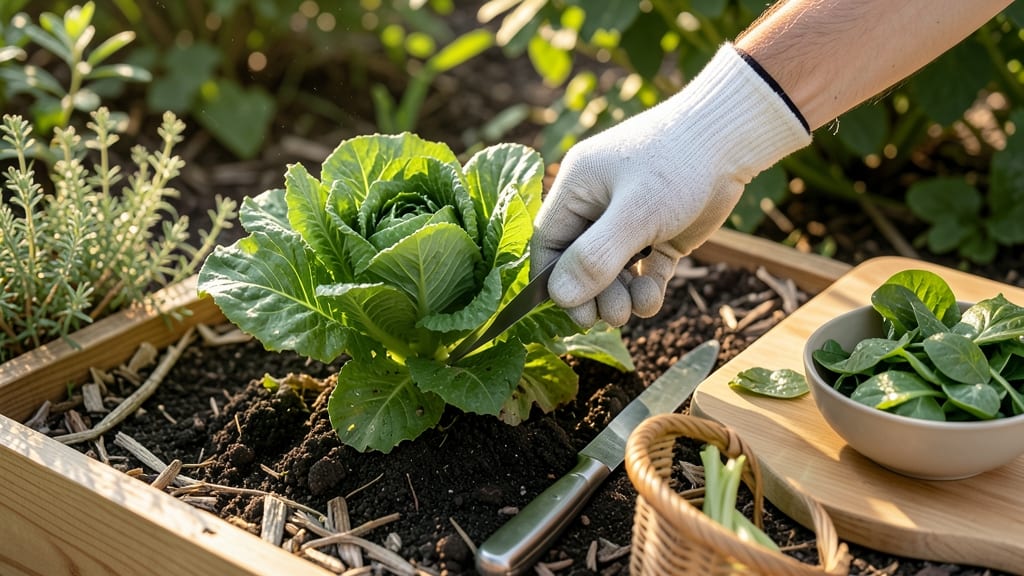
To pick lettuce from your garden at the perfect moment means crisp, tender leaves and a harvest that lasts all season long—no bitter surprises or wasted effort.
Picture this: you’ve nurtured your 🥬 plants for weeks, only to pull them too soon and end up with tiny, sad leaves, or wait too long and watch them bolt into bitter stalks.
The difference between a thriving garden and a frustrating one often comes down to timing—and knowing exactly when those outer leaves are ready to eat.
Most varieties hit their prime when leaves reach 4-6 inches long, with vibrant color and a firm but tender texture. But there’s more to it than just size: heat, humidity, and even the time of day can shift when you should grab your shears.
For loose-leaf types, you can snip and regrow for weeks, while head lettuce demands a single, precise harvest.
Below, I’ll walk you through the leaf-by-leaf signs of readiness, how to avoid bolting, and the best times to harvest for continuous yield—so you can enjoy fresh greens from spring to fall without a single wasted leaf.

How to determine when lettuce is ready for harvesting (leaf-by-leaf guide)
Harvesting lettuce at the right time transforms your garden from a bitter disappointment to a crisp, flavorful feast. The key lies in understanding visual and tactile cues that vary by variety—whether you're growing butterhead, romaine, or loose-leaf types.
Each type has unique signals that tell you when to pick, ensuring you don't miss the peak tenderness window.
For most lettuce varieties, the ideal harvest window falls between 28 to 60 days after sowing, depending on the type. Loose-leaf varieties like Black Seeded Simpson mature fastest, often ready in just 30 days, while head lettuces like Iceberg may take up to 70 days.
Paying attention to leaf size, texture, and color intensity ensures you harvest at the perfect moment.
| Variety | Leaf Size | Color Cues | Texture | Days to Harvest |
|---|---|---|---|---|
| Loose-Leaf (e.g., Black Seeded Simpson) | 4-6 inches | Deep green, vibrant | Crisp, tender | 28-45 |
| Butterhead (e.g., Bibb) | 6-8 inches (head) | Soft green, buttery hue | Tender, slightly fuzzy | 45-60 |
| Romaine (e.g., Paris Island) | 8-12 inches (tall) | Dark green, upright | Crisp, firm | 50-70 |
| Iceberg (e.g., Great Lakes) | 10-12 inches (compact head) | Pale green, crisp | Extra crisp, firm | 70-80 |
🌱 Pro Tip: Harvest outer leaves first to encourage regrowth in loose-leaf varieties.
Start checking your lettuce for harvest readiness when leaves reach about 4 inches in length. For loose-leaf varieties, this is often your first harvest window.
Look for vibrant color—deep greens, purples, or reds—indicating peak flavor and nutrients. If leaves appear pale or yellowing, they’re either underwatered or overripe.
Texture is your best friend when determining readiness. Gently squeeze a leaf between your fingers—it should feel firm yet tender, not woody or tough. Woody stems signal the plant is past its prime, while tender leaves promise the best flavor. If you’re unsure, taste-test a small leaf; bitter flavors mean it’s time to harvest immediately.
For head lettuces like romaine or butterhead, wait until the head is fully formed but still loose. A tight head means it’s not ready, while a loose, compact structure signals peak harvest time. Romaine, for example, should stand upright with tall, crisp leaves reaching 8-12 inches.
If the head starts to loosen or spread, it’s bolting—time to harvest before bitterness sets in.
Timing your harvests is crucial for seasonal success. In spring and fall, lettuce thrives in cooler temperatures (50-75°F). Avoid harvesting during hot afternoons, as stress can cause bolting. Early mornings are ideal—leaves are crispest and coolest, ensuring the best texture and flavor.
Use a sharp knife or clean scissors to cut leaves at the base, leaving 1-2 inches of stem to encourage regrowth.
One of the biggest mistakes gardeners make is waiting too long to harvest. Lettuce left in the ground past its prime becomes bitter, tough, and stringy. If you notice yellowing leaves or tall flower stalks (bolting), it’s too late for a quality harvest.
Instead, focus on leaf-by-leaf harvesting for loose-leaf types, picking outer leaves first every 2-3 weeks to keep the plant productive.
If your lettuce bolts too early, don’t despair. Shade cloth or partial shade can help prevent bolting
Leaf-by-leaf harvesting techniques to extend lettuce production by 40%+
There’s nothing worse than watching your lettuce plants bolt into bitter, inedible stalks—but with the right harvesting technique, you can keep your garden producing fresh leaves for weeks longer. The key? Leaf-by-leaf harvesting, a gentle method that lets your plants regrow while giving you a steady supply.
This approach can boost your yield by 40% or more if done correctly, saving you money and effort.
Unlike cutting the whole head at once, which kills the plant, leaf-by-leaf harvesting focuses on removing only the outer leaves. This preserves the growth center so new leaves keep forming. Whether you’re growing loose-leaf varieties like buttercrunch or romaine, this method works for almost all types.
The trick is patience and precision—harvest at the right time and with the right tools to avoid stressing the plant.
How to Harvest Lettuce Leaf-by-Leaf for Maximum Regrowth
-
Step 1: Wait for Leaves to Reach 4-6 Inches
Harvest only when outer leaves are fully grown (4-6 inches long) but still tender. Use your fingers to gently test leaf firmness—if it’s crisp but not woody, it’s ready. -
Step 2: Use Clean, Sharp Scissors or Pruners
Avoid tearing leaves—use sterilized pruning shears or sharp scissors to cut just above a leaf node (the bump where new leaves grow). Never rip leaves, as this damages the plant. -
Step 3: Remove Only Outer Leaves
Leave the inner rosette intact—never cut into the center. For loose-leaf varieties, harvest 1-2 outer leaves per plant every 2-3 days. For head lettuce, trim 1/3 of the outer leaves to encourage regrowth. -
Step 4: Harvest in the Morning
Pick leaves early in the day when they’re cool and crisp. Avoid harvesting after rain or in hot afternoon sun, as this can stress the plant and lead to bitterness. -
Step 5: Space Harvests 5-7 Days Apart
Give your plant time to recover between cuts. Over-harvesting weakens the growth center and can trigger bolting. For continuous production, aim for 1-2 cuts per week per plant. -
Step 6: Fertilize After Harvesting
After each cut, add a light dose of compost tea or balanced fertilizer (10-10-10) to replenish nutrients. This encourages new leaf growth and prevents nutrient deficiencies that stunt regrowth.
💡 Pro Tip: Label your plants with harvest dates to track regrowth cycles and avoid over-picking.
One of the biggest mistakes gardeners make is harvesting too aggressively or using dull tools, which can tear leaves and expose the plant to disease. Always use clean, sharp scissors and avoid cutting into the central rosette.
Another common error is harvesting in extreme heat, which stresses the plant and accelerates bolting. Stick to cool mornings for the best results.
To maximize your harvest, pair leaf-by-leaf cutting with succession planting. Sow new seeds every 2-3 weeks in spring and fall to ensure a continuous supply. This way, while your established plants regrow, fresh seedlings mature, giving you non-stop lettuce from early spring to late fall in most climates.
With this method, you’ll enjoy crisp, flavorful lettuce for months instead of just a few weeks. Plus, you’ll save seeds for next season or even share cuttings with neighbors—because who doesn’t love a garden that keeps giving? 🥬