
Picking
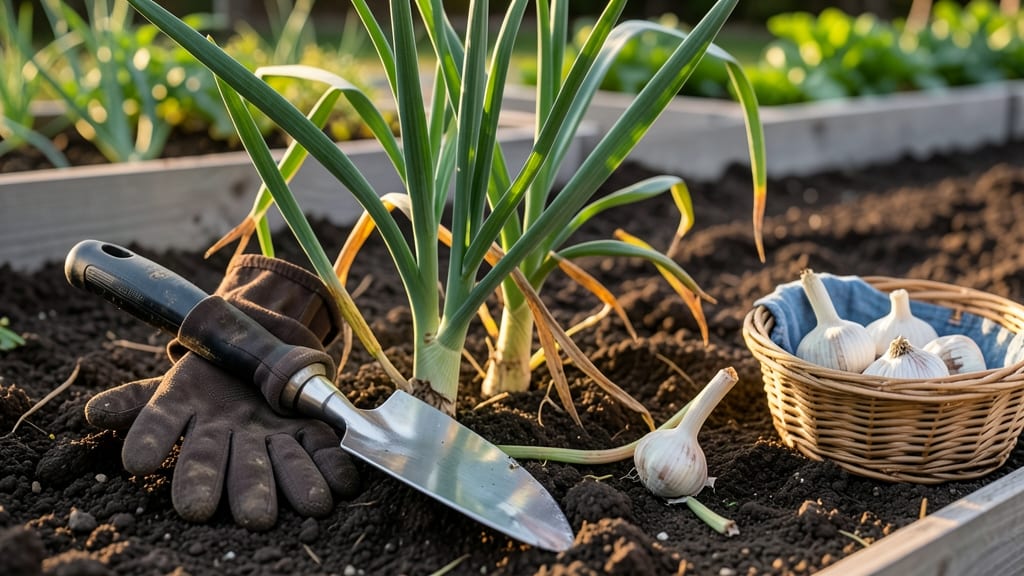
Picking garlic from your garden at the right time ensures you get the best flavor and storage life—miss it, and you risk tough, pungent bulbs or wasted effort.
Picture this: you’ve nurtured your 🧄 plants all season, only to pull them too soon or too late. One wrong move, and you’re left with either underdeveloped cloves or ones that’ve already started to rot.
The key is knowing when the leaves turn crispy brown at the base while the tops stay green—a sure sign the bulbs are ready.
Timing varies by variety and climate, but most garlic thrives in USDA Zone 6a when harvested in late June or July. Whether you’re after tender scapes or full bulbs, understanding these cues will save you from common mistakes and guarantee a harvest worth bragging about.
Below, I’ll walk you through the exact visual clues, regional adjustments, and post-harvest care to keep your garlic fresh for months. No more guesswork—just perfect timing for peak flavor and a pantry full of homegrown goodness.

When to harvest garlic scapes for maximum flavor and yield
Garlic scapes—those curly, green stems that emerge from hardneck garlic varieties—are a gardener’s secret weapon. Harvesting them at the right time boosts both flavor intensity in your bulbs and gives you a bonus ingredient for cooking.
But timing is critical: cut too early, and you miss peak flavor; wait too long, and you stunt bulb growth. The ideal window is typically 6-8 weeks after planting, but visual cues are your best guide.
First, understand why scapes matter. These stems channel energy into the bulb, so removing them redirects that energy upward, resulting in larger, more flavorful cloves. However, if left unchecked, scapes will flower, diverting energy away from bulb development.
The key is to act when the scape forms a full loop or curl—this is your signal to harvest. At this stage, the scape is still tender, with maximum flavor potential.
Here’s the golden rule: Harvest scapes when they form a 3-4 inch loop but before the tip starts to straighten. This usually happens in late spring to early summer, depending on your climate zone.
In warmer regions (Zones 8-10), scapes may appear as early as April or May, while cooler zones (Zones 3-6) might see them in June or July. Always prioritize visual cues over calendar dates.
| Stage | Visual Cues | Action | Impact on Bulb |
|---|---|---|---|
| Early Growth | Straight stem, no curl | Do nothing | Bulb developing normally |
| Loop Formation | 3-4 inch curl, tender tip | Harvest immediately | Boosts bulb size and flavor |
| Flowering | Stem straightens, buds form | Too late to harvest | Reduces bulb quality |
| Post-Harvest | No scape, bulb focus | Monitor bulb maturity | Larger, more pungent bulbs |
To harvest, use a clean, sharp knife or pruners to cut the scape about 1-2 inches above the garlic bulb. Avoid damaging the leaves or bulb—this can invite diseases like white rot.
After cutting, rinse the scape and store it in the fridge for up to 2 weeks or freeze it for later use. You can also pickle scapes for a tangy, garlic-infused condiment that pairs perfectly with grilled meats or salads.
What happens if you miss the window? If you wait too long, the scape will flower, and those tiny bulbils (seed-like structures) will form. While bulbils are edible (though milder in flavor), they signal that the plant is shifting energy away from the bulb.
This can result in smaller, less flavorful cloves. On the flip side, harvesting too early—when the scape is still straight—means you’re missing out on peak flavor and maximum bulb potential.
Pro tip: If you’re growing garlic for both scapes and bulbs, prioritize the scapes. Removing them early ensures your bulbs will be larger and more robust. For example, my ‘Music’ hardneck garlic always produces sweeter bulbs when I harvest the scapes at the perfect curl stage.
I’ve found that hardneck varieties (like ‘German White’, ‘Chesnok Red’, or ‘Silverskin’) are the best for scape production, while softneck varieties (like ‘Artichoke’ or ‘Silverskin’) typically don’t produce scapes at all.
After harvesting scapes, shift your focus to the bulbs. The plant will redirect its energy downward, and you’ll notice the leaves turning brown at the base—a sign that bulb maturation is underway.
This is your cue to start monitoring for harvest readiness, which we’ll cover in the next section. For now, enjoy your scapes in pesto, stir-fries, or as a garnish—they’re a delicious reward for your timing skills!
Remember, every garlic plant is unique, so always check your plants daily during the scape-forming window. The more attentive you are, the better your harvest will be.
And if you’re new to growing garlic, start with a few plants to practice timing—it’s a skill that improves with experience, and the payoff is worth it.
Signs your garlic bulbs are ready for harvesting (and when to wait)
Harvesting garlic at the right time ensures maximum flavor and longer storage life. Most gardeners wait 8-10 months after planting, but visual cues—like leaf browning and papery wrappers—are your best guides. Ignoring these signs can lead to tough, pungent bulbs or even rot.
Hardneck varieties typically mature 2-4 weeks earlier than softneck types, so regional timing matters. In USDA Zone 6a, I usually harvest between late June and July, but cooler climates may extend this window. Pay attention to your plants—they’ll tell you when it’s time!
Harvesting too early results in small, underdeveloped bulbs with poor storage life. Too late means loose skins, sprouting cloves, and bitter flavor. Wait until 50-60% of leaves turn brown but upper leaves stay green—this is your sweet spot for perfect garlic!
Start checking for bottom leaves browning first—they’ll turn tan and crispy while the top leaves remain green and healthy. Gently squeeze the bulb: if it feels firm and solid, it’s ready. Loose or spongy bulbs need more time in the ground.
Another key sign is the neck (stem) flattening and papery wrappers forming around the cloves. These wrappers protect the bulb during storage and indicate the garlic is fully mature. If you see mold or soft spots, harvest immediately to prevent spoilage.
Hardneck varieties like ‘Music’ or ‘German White’ often mature faster, while softneck types like ‘Silverskin’ or ‘Artichoke’ take longer. In warmer climates (Zones 7-10), garlic may mature earlier, while cooler regions (Zones 3-5) might need an extra 2-3 weeks. Always prioritize visual cues over calendars!
Harvesting at the right time also affects flavor and storage. Early harvests yield milder, sweeter garlic but store poorly, while late harvests produce stronger, pungent bulbs that last longer.
For best results, aim for late June to early July in most regions, then cure properly for 6-8 weeks in a dry, shaded area.