
Picking
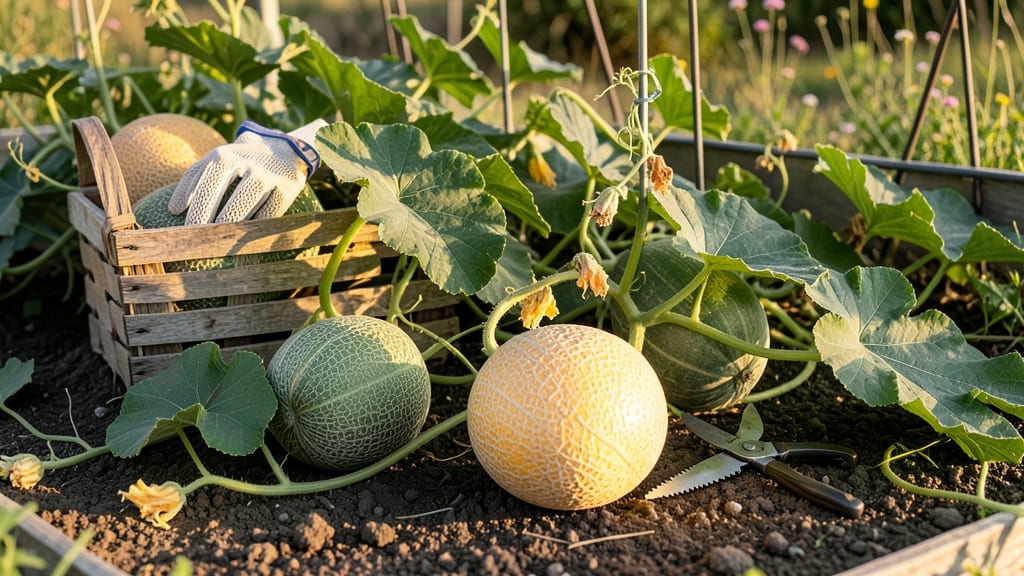
To pick cantaloupe from your garden at the perfect time means the difference between a sweet, juicy reward and a bland, underripe disappointment.
Picture this: you’ve been patiently waiting for your 🍈 to ripen, only to cut into it and find it still hard and tasteless. That’s the frustration of picking too soon—or too late. The key is knowing the exact moment when nature signals "now."
Cantaloupes in Zone 6a typically reach peak ripeness between July and August, but the real test isn’t the calendar—it’s what you see, smell, and feel. A creamy yellow rind, a sweet fragrance near the stem, and a fruit that slips easily from the vine are your foolproof cues.
In this guide, you’ll learn the five visual and physical signs of a perfectly ripe cantaloupe, plus how to handle those near-miss harvests. Let’s turn your garden into a sweet success story.


5 Visual and physical signs your cantaloupe is ready to harvest
Nothing beats the thrill of harvesting your own cantaloupe—especially when it's perfectly ripe. But how do you know when those vines are hiding a sweet, juicy treasure instead of a bland disappointment?
I’ve learned the hard way that picking too early means mealy flesh, while waiting too long can lead to overripe messes. The key is spotting these 5 foolproof signs that your cantaloupe is begging to be picked.
Cantaloupes don’t come with expiration dates, so you’ll need to rely on your senses. The good news? These visual and physical cues are easier to spot than you think.
From color changes to scent tests, I’ll walk you through each step so you can harvest at peak flavor every time. Trust me, your taste buds will thank you!
🍈 5 Signs Your Cantaloupe Is Ready
- 1. Rind Color Changes: Look for a creamy yellow or tan hue with distinct net-like patterns. Avoid green or dull spots—these mean it’s not ready yet.
- 2. Stem End Turns Brown: The stem end (near the vine) should shift from green to yellow or brown. This is a classic sign of ripeness.
- 3. Sweet Aroma Near the Stem: Give it a sniff! A powerful, sweet fragrance near the stem end means it’s ready. No scent? Not yet.
- 4. Thump Test Sounds Hollow: Tap the cantaloupe with your knuckles. A deep, hollow sound means it’s ripe. A dull thud? Wait a few days.
- 5. Easy Stem Separation: Gently twist the fruit at the stem. If it slips free with little effort, it’s ready. If it resists, it needs more time.
Let’s break down each sign so you can confidently pick your cantaloupe at its sweetest. First up: rind color. A ripe cantaloupe’s skin should transition from green to a creamy yellow or tan, often with a net-like pattern that looks like a spiderweb.
This isn’t just about aesthetics—it’s a sugar maturity indicator. If your cantaloupe still has green patches, it’s not ready yet.
Next, pay attention to the stem end. This is where the magic happens! A ripe cantaloupe’s stem end will turn from green to yellow or brown. This change signals that the natural sugars have fully developed.
I once picked a cantaloupe because the rind looked good, only to find the stem end was still green. Big mistake—it tasted like watered-down soup!
The scent test is one of my favorite tricks. A ripe cantaloupe emits a strong, sweet fragrance near the stem end. If you’re sniffing and thinking, “Hmm, that smells like… nothing,” it’s not ready.
Pro tip: Sniff near the stem, not the blossom end. The blossom end can sometimes smell sweet even when the fruit isn’t ripe.
Now for the thump test, a trick I learned from my grandpa’s garden. Tap the cantaloupe with your knuckles—it should sound hollow and deep, like a drum. If it sounds dull, it’s still firm and underripe.
This test works because the internal flesh softens as the fruit ripens. I’ve used this test for years, and it’s never let me down!
Finally, the stem separation test is the ultimate litmus test. Gently twist the cantaloupe at the stem. If it slips free with minimal effort, it’s ready to harvest. If it feels like you’re wrestling with a stubborn child, give it a few more days.
This test tells you the fruit has detached naturally from the vine, which is a sure sign of ripeness.
Here’s a bonus tip: harvest in the morning. Cantaloupes are most flavorful when picked early in the day because the sugars concentrate overnight. Plus, the cooler temps help preserve their freshness.
I always set a reminder on my phone for my harvest days so I don’t forget this crucial step.
If you’re growing cantaloupe in hotter climates, like zones 8-10, your fruit might ripen faster. Keep an extra eye on these signs, especially during peak summer heat. Overripe cantaloupes can become mushy and lose their sweetness, so don’t wait too long after spotting these cues.
Remember, the goal is to balance ripeness with freshness. If you’re unsure, it’s better to pick a day early and let it ripen indoors than to wait too long.
With these 5 foolproof signs, you’ll never guess again—just harvest with confidence and enjoy that perfectly sweet cantaloupe! 🌱
Common mistakes that make cantaloupes ripen too early or too late
Even experienced gardeners sometimes fall into the trap of picking cantaloupe too early or leaving it on the vine too long. Both mistakes can turn your hard work into watery, bland fruit or even spoilage.
The key is understanding that size, color, and vine changes alone aren’t reliable indicators of true ripeness.
Many gardeners assume that a cantaloupe’s size or weight determines ripeness, but this is a common misconception. A cantaloupe can grow to full size while still tasting starchy and underripe inside.
Similarly, waiting for the vine to die back isn’t always a good strategy—some varieties ripen before the vine yellows, leaving you with overripe fruit that’s mushy and fermented.
Here’s the truth: Ripeness depends on a combination of visual, tactile, and olfactory cues. Ignoring any one of these can lead to disappointment. Let’s break down the most frequent mistakes and how to avoid them.
Picking Cantaloupe Too Early vs. Too Late
- Small size doesn’t mean ripe
- Green rind indicates unripeness
- No sweet scent near stem end
- Lightweight for its size
- Overripe vine can spoil fruit
- Fermented smell near stem
- Soft, mushy texture
- Cracked rind from overgrowth
One of the biggest mistakes is relying on a single cue, like color or size. For example, a cantaloupe might turn creamy yellow but still taste underripe if it lacks the signature sweet aroma near the stem.
Similarly, waiting for the vine to brown can mean the fruit has overripened and become unusable.
Another common error is assuming all cantaloupes ripen at the same rate. Some varieties, like Hale’s Best or Athena, ripen faster than others. If you’re growing multiple types, check each fruit individually rather than harvesting them all at once.
A 1-2 day difference in ripening can mean the difference between perfect and ruined fruit.
To avoid these pitfalls, I recommend testing cantaloupes every 2-3 days during the peak harvest window (usually July to early August). Use a combination of the thump test, scent check, and stem separation to confirm ripeness.
If you miss the window, don’t despair—there are ways to salvage underripe cantaloupes, but acting too late can ruin even the best storage efforts.
Remember, the goal is balance. A cantaloupe picked at the perfect moment will have a firm yet yielding rind, a sweet fragrance, and a stem that separates easily. When you nail this, you’ll reward yourself with fruit that’s bursting with flavor—worth every minute of patience. 🍈