
Picking
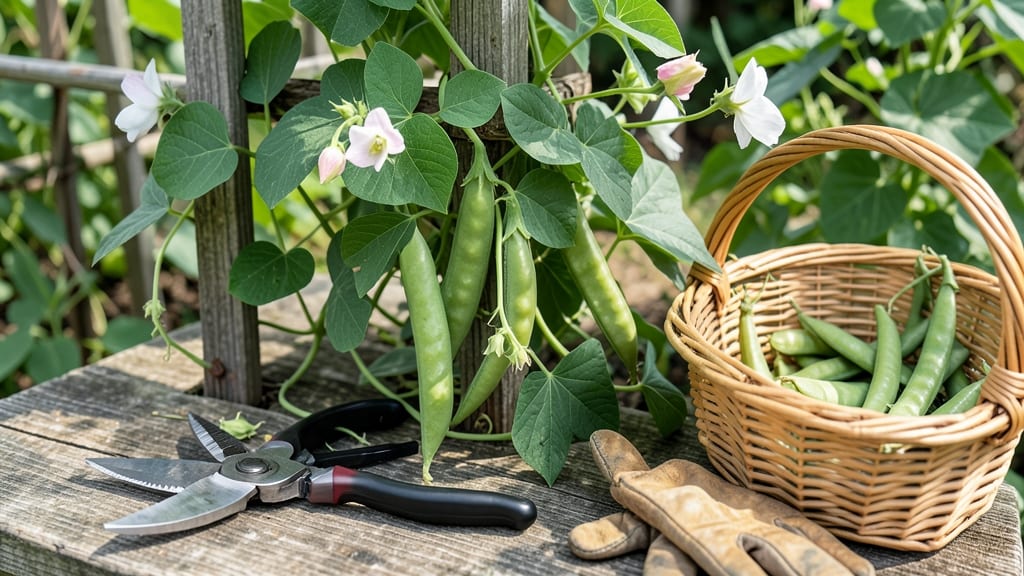
Harvest garden peas when pods are 1-2 inches long and bright green, about 60-70 days after planting—this is the sweet spot for peak flavor and texture.
Picking too early means underdeveloped pods, while waiting too long turns them tough and mealy. I’ve made both mistakes, and the difference in taste is night and day.
You’ll know they’re ready when pods snap easily and seeds are just starting to show inside. Miss this window, and your harvest loses that tender crunch and sweetness you’ve been waiting for.
Below, I’ll walk you through the three simple tests to nail the perfect harvest time, plus tips to keep your peas fresh and flavorful once they’re off the vine.

3 Visual and physical tests to determine perfect pea harvest time
Timing your garden pea harvest can feel like a guessing game—until you know the three foolproof tests that reveal peak ripeness.
I’ve learned the hard way that waiting too long turns sweet peas into tough, stringy pods, while picking too early means missing out on that perfect crunchy texture and sweet flavor. The good news?
These simple checks take just seconds and work for both sugar snap peas and shelling peas.
Mastering these tests ensures you’ll enjoy peas at their prime sweetness, packed with nutrients and ready for your favorite recipes. Whether you’re a first-time gardener or a seasoned pro, these visual and physical cues will transform your harvest from hit-or-miss to consistently delicious.
Let’s dive into the three key indicators that tell you “it’s time to pick!”
- Pod Size: Check for 1-2 inch pods that are plump and rounded. Use a ruler to compare—if pods are shorter than your thumb, they’re not ready yet.
- Shell Color: Look for bright, glossy green pods. Dull or yellowing shells mean the peas have passed their prime and will taste bland or bitter.
- Seed Development: Peek inside (gently!)—seeds should be visible but not overcrowded. If seeds fill the pod, the peas will be tough and lose their sweetness.
Start with the pod size test—this is your first clue that the peas are nearing harvest. I always keep a small ruler nearby to compare against the pods. For sugar snap peas, aim for pods that are about 2-3 inches long and slightly swollen.
Shelling peas, on the other hand, should be 1-1.5 inches long when fully rounded. If you’re unsure, err on the side of smaller pods—they’ll sweeten up faster in the sun.
The shell color is your second checkpoint, and it’s easier to spot than you’d think. Healthy, ready-to-harvest peas boast a vibrant green hue that looks almost glossy in the morning light.
I’ve noticed that pods left too long on the vine often turn a dull yellowish-green, which is a clear sign they’ve lost their sweetness. This change happens faster in hot weather, so keep an extra eye on your peas during summer heatwaves.
Here’s where things get really interesting: the seed development test. This is how I avoid the “too late” mistake. Gently squeeze a pod between your fingers—if you can see the seeds through the shell but they’re not touching each other, you’ve hit the sweet spot.
For shelling peas, the seeds should be about half the pod’s length. If the seeds are large and round, filling most of the pod, the peas will be woody and tough. Pro tip: Use a flashlight in low light to check seed development quickly.
One mistake I used to make was harvesting based on days after planting alone. While peas typically mature in 60-70 days, environmental factors like temperature and rainfall can shift that timeline.
For example, cooler springs might delay maturity by a week or two. That’s why these visual and physical tests are so reliable—they account for your specific growing conditions without guesswork.
Let’s talk about harvest frequency, because timing isn’t just about when to pick—it’s also about how often. Peas mature unevenly on the vine, so I harvest every 2-3 days during peak season to ensure consistent ripeness. This frequent picking also encourages the plant to produce more pods.
I’ve found that morning harvests work best because the peas are cool and crisp, and the plants have had a full night to recover. Plus, harvesting in the morning gives you time to enjoy (or preserve) your peas while they’re at their freshest.
If you’re growing multiple pea varieties, pay attention to their individual maturity rates. Some varieties, like ‘Sugar Sprint’, mature faster than others, like ‘Lincoln’. I label my trellises to track each variety’s progress, using the three tests above to determine when to harvest each one.
This attention to detail ensures no pod goes to waste, and I always have a steady supply of fresh peas for snacks or meals.
Finally, don’t overlook the sensory test—your taste buds are the ultimate judge. After using the visual and physical cues, I always do a quick taste test on one pod. If it’s sweet, tender, and slightly crunchy, you’re golden.
If it’s bland, mushy, or bitter, it’s time to adjust your harvesting schedule. This final check is especially useful for first-time growers who want to build their confidence in judging pea ripeness.
Harvesting peas at the perfect moment is all about observation and consistency. By mastering these three simple tests, you’ll never miss peak ripeness again.
Whether you’re enjoying fresh pods straight from the vine or preserving them for later, these cues will help you maximize flavor and minimize waste. Happy harvesting—your taste buds will thank you! 🌱
How pea maturity affects flavor and texture: what happens if you harvest too early or late?
Understanding pea maturity is key to unlocking their peak flavor and tender texture. When harvested at the right stage, garden peas deliver that sweet, crisp bite we all love—but timing is everything. Too early, and you'll get small, underdeveloped pods with bland taste.
Too late, and you're left with fibrous, mealy peas that lose their charm. Let's break down what happens at each stage and how to nail that perfect harvest window.
At the ideal maturity stage—around 60-70 days after planting—peas pack their maximum sweetness and tender crunch. This is when their sugar content peaks, and the pods are firm yet plump.
The bright green color is vibrant, and you can just barely see the seeds inside without them filling the pod. Missing this window means compromising on both flavor and texture, so let's explore why timing matters so much.
| Maturity Stage | Pod Size | Flavor & Texture | Harvest Impact |
|---|---|---|---|
| Too Early (<60 days) | Under 1 inch, wrinkled | Bland, watery, no sweetness | Wasted effort; pods won't develop properly |
| Ideal (60-70 days) | 1-2 inches, plump | Sweet, crisp, tender | Perfect for eating fresh or freezing |
| Overripe (>70 days) | 2+ inches, bulging seeds | Starchy, fibrous, mealy | Best for shelling or drying, not fresh eating |
Harvesting too early is a common mistake, especially for impatient gardeners eager to try their first peas. When pods are underdeveloped, they lack the sugar reserves needed for sweetness. The texture becomes mushy and watery, making them unappetizing.
Think of it like picking an apple before it's ripe—it won't deliver the flavor or crunch you're hoping for. To avoid this, always check for plumpness and bright green color before harvesting.
On the flip side, overripe peas become a gardener's nightmare. Once the seeds inside start filling the pod completely, the peas lose their tender texture and develop a fibrous, stringy quality. The sweetness fades, and they take on a starchy, mealy taste.
Overripe peas are still edible—great for shelling or drying—but they won't have that fresh, garden-fresh appeal. The key is to harvest frequently, every 2-3 days during peak production, to keep the plants producing sweet, tender pods.
Pay attention to the pod's snap test: a perfectly ripe pea pod should snap easily when bent gently. If it resists or feels tough, it's past its prime. Also, look for smooth, glossy pods—dull or wrinkled pods are signs of under- or over-maturity.
By mastering these cues, you'll ensure every pea you harvest is at its peak flavor and texture, making your gardening efforts truly rewarding.
Remember, the sweetest peas come from consistent harvesting. Don't let your plants get overloaded with pods—the more you pick, the more your plants will produce. And if you miss the window?
Don't worry—just save the overripe ones for pea soup or dried peas. Every harvest teaches you more about your plants, and soon, you'll be a pea-harvesting pro! 🌱