
Planting
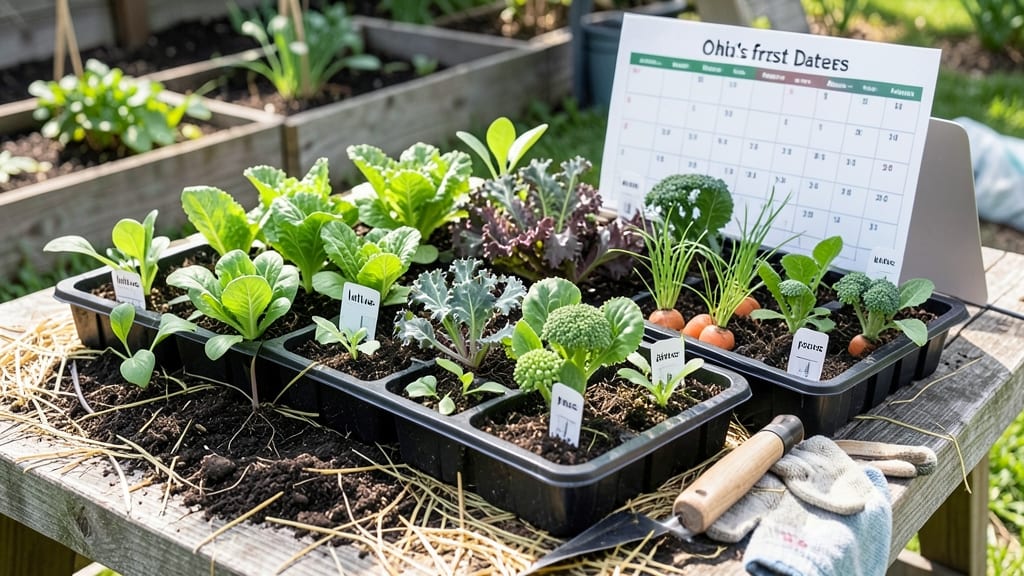
You should plant a garden in Ohio when the soil reaches 50°F and the last frost date has passed—typically between mid-April and early May, depending on your region.
Ohio’s unpredictable spring weather can leave even seasoned gardeners guessing—plant too early, and frost will ruin your hard work; too late, and you’ll miss peak harvests. But with the right timing, you can grow a thriving garden that outpaces the state’s infamous whiplash between snow and sunshine.
Northern Ohio’s USDA Zones 5a-5b often wait until late April or early May, while southern Ohio’s milder Zone 6a can start planting as early as mid-April. Knowing your exact last frost date is the key to avoiding costly mistakes.
In this guide, I’ll break down the best planting windows for vegetables, flowers, and perennials—plus proven tips to extend your growing season and maximize your Ohio garden’s potential.
Ohio planting zones explained: how to find your exact last frost dates
Ohio spans USDA hardiness zones 5a through 6b, meaning your exact planting dates depend heavily on where you live. The state’s northern tier (zone 5a) faces later last frosts than southwest Ohio (zone 6b), with differences of up to 2-3 weeks.
Even within cities, urban heat islands can create microclimates that delay frost by 5-7 days compared to rural areas.
To pinpoint your last frost date, start with the National Weather Service’s frost calendar or Ohio State University Extension’s historical frost maps.
These tools average data over 30 years, but I recommend cross-checking with your local Cooperative Extension office for hyper-local adjustments—especially if you live near lakes or hills, where elevation shifts frost timing.
Here’s the critical rule: Wait until after your average last frost date to plant warm-season crops like tomatoes and peppers. For cool-season crops (spinach, peas), you can start 4-6 weeks before your last frost. But don’t rely on averages—track your own data for 3 years to refine your schedule.
| Region | USDA Zone | Avg. Last Frost | Avg. First Frost | Frost-Free Days | Planting Window |
|---|---|---|---|---|---|
| Northeast Ohio (Cleveland, Akron) | 5a-5b | April 20-25 | October 10-15 | 145-155 days | May 10-June 1 |
| Central Ohio (Columbus, Dayton) | 6a | April 10-15 | October 20-25 | 165-175 days | April 25-May 10 |
| Southwest Ohio (Cincinnati, Toledo) | 6a-6b | April 5-10 | October 30-Nov 5 | 180-190 days | April 15-May 1 |
| Urban Microclimates (Cities) | 5a-6b (varies) | April 15-20 (delayed) | October 25-Nov 10 | 150-180 days | May 1-June 1 |
*Dates based on 30-year averages; elevation adds 1-2 weeks per 1,000 ft. Urban areas may extend frost-free season by 5-10 days.
Elevation plays a sneaky role in Ohio’s frost timing. For every 1,000 feet gained, expect frost to arrive 3-5 days earlier in fall and delay by 1-2 days in spring.
This is why Appalachian regions near Hocking Hills or Zaleski often have shorter growing seasons than flatland areas like Toledo or Lima.
Pro tip: Use frost cloth or row covers to push back the last frost date by 2-4 weeks for early plantings. I’ve successfully extended my tomato season by 3 weeks using black plastic mulch combined with a lightweight cover. Just remove the cover when nighttime temps stay above 50°F consistently.
For perennials and bulbs, timing matters just as much. Plant spring-blooming bulbs (daffodils, tulips) in fall (October-November) so they establish roots before winter. In contrast, fall-planted bulbs (
Best planting schedule for Ohio gardens: month-by-month vegetable & flower timing
Ohio’s short growing season demands precision timing to maximize yields. Whether you’re planting cool-season crops like spinach or warm-season staples such as tomatoes, aligning with Ohio’s frost-free averages is key.
I’ve broken down the best months for planting vegetables and flowers, including succession planting tips to keep your harvests flowing all season.
Start with cool-season crops in early spring, then transition to warm-season plants once soil temperatures rise. Ohio’s average last frost date ranges from April 15 in southern regions to May 15 in the north. Use this as your guide, but always monitor local forecasts for adjustments.
- 🌱 March-April: Plant hardy cool-season crops like peas, spinach, and broccoli. Start seeds indoors for tomatoes and peppers.
- 🌿 May: Transplant tomatoes, peppers, and corn after the last frost. Direct-sow beans and cucumbers once soil warms to 60°F+.
- ☀️ June-July: Succession plant lettuce, radishes, and carrots for fall harvests. Add marigolds and zinnias for summer color.
- 🌻 August-September: Plant cool-season crops again for fall harvests. Choose fast-maturing varieties like bush beans or kale.
- 🍂 October: Extend the season with cold-hardy greens (kale, Swiss chard) and garlic for next year’s harvest.
For succession planting, sow lettuce and radishes every 2-3 weeks from spring to early summer. This ensures a steady supply of fresh produce. In Ohio, marigolds and zinnias thrive when planted in late spring, while perennials like lavender should go in early fall for root establishment.
Ohio’s USDA zones 5a-6b mean some regions can push the season further. In southern Ohio, you might squeeze in a second planting of tomatoes in early June, while northern gardeners should wait until late May.
Always check soil temperatures with a soil thermometer—50°F+ for cool crops, 60°F+ for warm-season plants.
Pro tip: Use row covers to extend the season for early spring or late fall plantings. This simple trick adds 2-4 weeks to your growing window, perfect for Ohio’s short season. Pair it with mulch to regulate soil temperature and retain moisture.
Don’t forget flowers! Plant marigolds in early summer to deter pests, and zinnias in late spring for vibrant blooms. For perennials, divide and transplant in early fall to give roots time to establish before winter.