
Fertilization
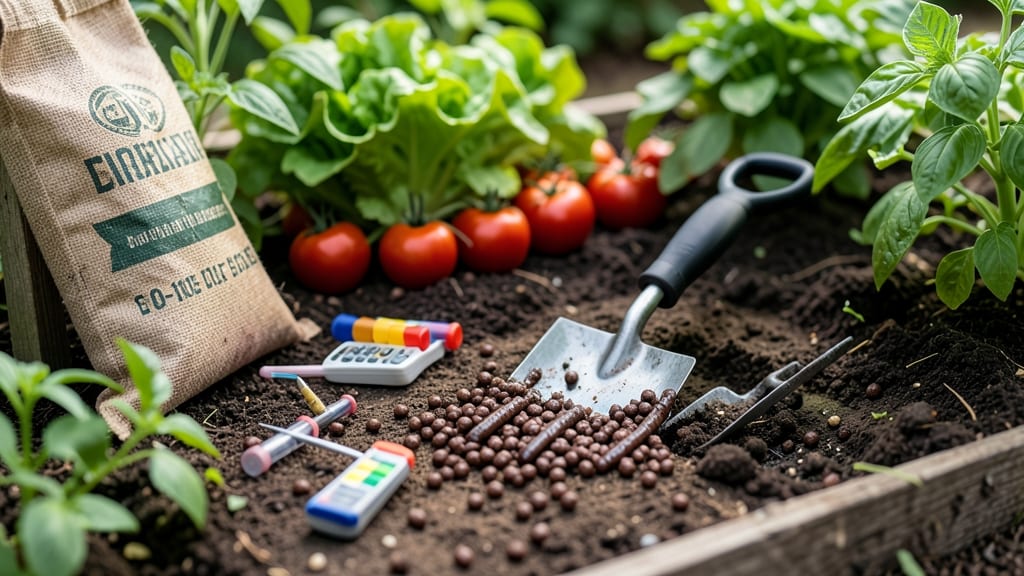
You should fertilize your garden at planting, mid-season, and again before flowering to fuel steady growth — but timing it wrong can waste nutrients or even harm your plants.
Picture this: you’ve just planted your spring seedlings 🌱, the soil is rich, and you’re eager to see results. Yet skipping the pre-planting boost or overdoing it later can leave your garden struggling instead of thriving.
The key is matching fertilizer to your plants’ growth stages, not just tossing it out when you remember.
Most gardeners miss the early-season window when roots are establishing, or they over-feed in summer, burning delicate foliage. A soil test reveals exactly what your plants need—and when—so you can avoid common pitfalls like nutrient burn or wasted fertilizer.
In this guide, I’ll break down the perfect fertilization schedule for your zone, from pre-planting prep to fall cleanup, so you can grow stronger plants with less guesswork.

Soil-test-based fertilization schedule for different plant types
Understanding your soil test results is the first step to creating a fertilization schedule that works for your garden. The N-P-K numbers (Nitrogen-Phosphorus-Potassium) tell you exactly what your soil needs, but timing is just as critical.
For example, vegetables like tomatoes thrive with a balanced 10-10-10 fertilizer applied in early spring, while flowers like roses benefit from a higher phosphorus (5-10-5) boost when blooming begins. Your climate also plays a role—warm climates may need more frequent feedings, while cold climates benefit from a slower, early-season approach.
Start by interpreting your soil test results to determine if your soil is deficient in nitrogen, phosphorus, or potassium.
For instance, if your test shows low nitrogen (N), focus on leafy greens and grasses, while low phosphorus (P) signals a need for root and flower development.
Adjust your fertilization schedule based on these deficiencies, but always follow the plant-specific guidelines below to avoid over-fertilizing, which can harm your plants.
For vegetables, focus on early-season fertilization to support rapid growth. Apply a balanced fertilizer at planting, then again when plants are 6 inches tall. In warm climates, split feedings into morning applications to prevent nutrient burn from midday heat.
For example, tomatoes need a high-potassium boost (like 7-7-14) when fruits begin to form to prevent blossom-end rot.
When it comes to flowers, timing is everything. Apply a phosphorus-rich fertilizer in late spring to encourage blooming, then switch to a balanced or low-nitrogen fertilizer once flowers appear. Roses, for instance, respond well to a monthly feeding of 5-10-5 during their blooming season (May through September).
In cold climates, reduce feedings in late summer to harden off plants before winter.
Lawns have their own unique needs based on grass type and climate. Cool-season grasses like fescue thrive with early spring and late summer feedings, while warm-season grasses like Bermuda grass need fertilization in late spring and early summer.
Always use a slow-release fertilizer for lawns to avoid rapid growth spurts that attract pests. For example, a 20-0-5 fertilizer in spring will give your lawn the nitrogen kick it needs without overwhelming it.
Organic gardeners should opt for compost or compost tea as a pre-planting amendment, followed by fish emulsion or seaweed extract for mid-season boosts. These options release nutrients slowly, reducing the risk of over-fertilization.
For instance, compost tea applied every 4-6 weeks provides a steady supply of micronutrients without the harshness of synthetic fertilizers. Always water your plants 24 hours before and after applying organic fertilizers to help them absorb nutrients effectively.
One of the biggest mistakes gardeners make is over-fertilizing, which can lead to nutrient burn or environmental runoff. Always follow the recommended rates on your fertilizer packaging and adjust based on your soil test results.
For example, if your soil test shows high phosphorus, skip phosphorus-heavy fertilizers and focus on nitrogen or potassium instead. In drought-prone areas, reduce fertilization to prevent stress on plants already struggling with water scarcity.
Seasonal adjustments are key to a successful fertilization schedule. In
Critical fertilization windows by plant growth stage
Fertilizing at the right time can mean the difference between a thriving garden and one that struggles to produce. Unlike a one-size-fits-all approach, plant growth stages dictate when nutrients are most effective.
Each phase—from seedling to harvest—has unique needs that respond best to fertilization timing. Skipping this step often leads to stunted growth or poor yields, even with rich soil.
For example, tomatoes need a high-phosphorus boost when flowering, while lawn grasses require nitrogen during their rapid spring growth. Understanding these windows ensures your plants get nutrients when they need them most, not when they’re least effective. Let’s break down the four critical stages and what each plant type demands.
- 1 Pre-Planting Stage: Amend soil 2-4 weeks before planting with compost or a balanced fertilizer (10-10-10). This primes roots for early growth. Ideal for vegetables and annual flowers.
- 2 Early Growth Stage: Fertilize 2-3 weeks after germination with a nitrogen-rich feed (e.g., fish emulsion). Critical for leafy greens and grasses to establish strong foliage.
- 3 Flowering Stage: Switch to a phosphorus-heavy fertilizer (5-10-5) when buds form. Essential for roses, tomatoes, and peppers to promote blooms and fruit set.
- 4 Fruiting Stage: Use a potassium-rich fertilizer (0-0-5) to boost fruit quality and disease resistance. Perfect for berries, squash, and late-season tomatoes.
Timing matters just as much as the fertilizer type. For instance, roses should receive their high-phosphorus feed when you notice buds swelling, not when they’re already in full bloom.
Similarly, lawn grasses need their first nitrogen boost in early spring as they break dormancy, not mid-summer when heat stress is high.
Overlooking these stages can lead to wasted nutrients or even plant stress. For example, fertilizing tomatoes too late in the season can delay ripening, while skipping early nitrogen for grass results in patchy, weak growth.
By aligning your fertilization schedule with these growth phases, you’ll maximize yields and plant health without guesswork.
Pro tip: Always water your plants 24 hours before and after fertilizing to prevent root burn. This simple step ensures nutrients are absorbed efficiently, especially during critical stages like flowering and fruiting. 🌱