
Planting
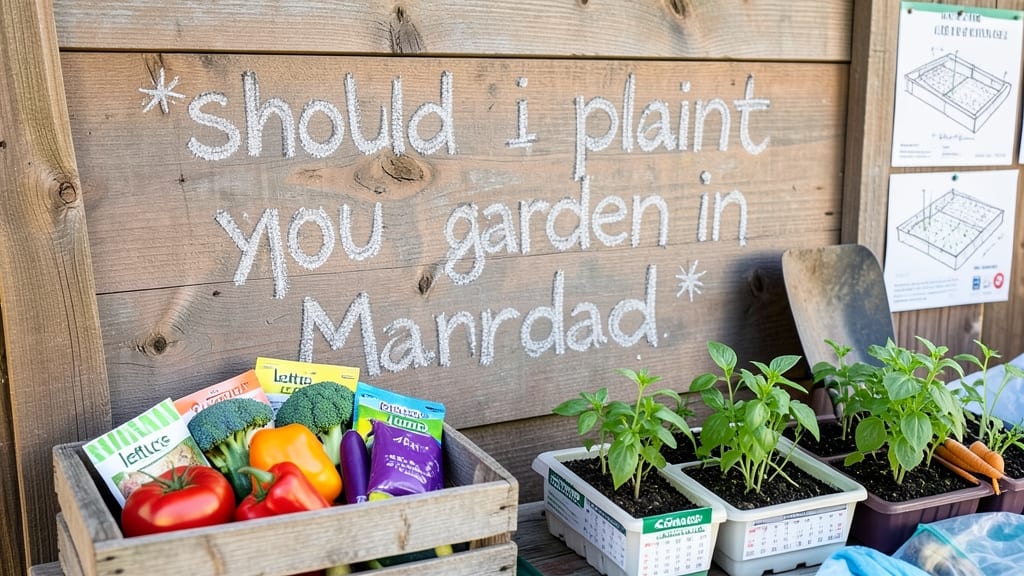
Planting your garden in Maryland at the right time means the difference between a bountiful harvest and a sad, wilted disappointment.
Maryland’s unpredictable spring weather can turn your gardening dreams into a guessing game—unless you know the exact planting windows for your specific zone.
Get the wrong timing, and your tomatoes might bolt before fruiting, or your cool-season crops could wilt in the heat. With four distinct USDA zones across the state, from the cooler Piedmont to the milder Coastal Plain, there’s no one-size-fits-all answer.
Here’s your foolproof guide to planting at the perfect moment for Maryland’s diverse climate, including zone-specific dates, microclimate tweaks, and the best crops to grow year-round.
Maryland planting calendar: exact dates by hardiness Zone (5a, 5b, 6a, 7a)
Maryland’s four USDA hardiness zones (5a, 5b, 6a, 7a) create distinct planting windows that can differ by weeks—even between neighboring counties.
In Zone 5a (e.g., Garrett County), your last spring frost might hit May 15, while Zone 7a (e.g., Baltimore County) typically sees frost-free soil by April 1. Ignoring these differences means risking frost damage or stunted growth.
To simplify, I’ve broken down the exact planting dates for Maryland’s most popular crops—from cool-season greens to heat-loving tomatoes—plus when to start perennials and bulbs for year-round success. Use your zone’s last frost date as your anchor, then adjust for microclimates (like urban heat islands or coastal breezes).
| Zone | Last Frost Date | Cool-Season Crops (Start Indoors) | Warm-Season Crops (Transplant Outdoors) | Perennials/Bulbs (Plant) |
|---|---|---|---|---|
| 5a (e.g., Garrett, Allegany) | May 15 | March 1–15 (spinach, peas, kale) | May 20–June 1 (tomatoes, peppers) | September 1–15 (spring bloomers) |
| 5b (e.g., Frederick, Carroll) | April 30 | February 15–March 1 (lettuce, broccoli) | April 25–May 10 (cucumbers, beans) | August 15–September 1 (fall perennials) |
| 6a (e.g., Montgomery, Prince George’s) | April 15 | February 1–15 (onions, cabbage) | April 10–20 (squash, corn) | July 30–August 15 (tender bulbs) |
| 7a (e.g., Baltimore, Coastal) | March 20 | January 15–February 1 (radishes, arugula) | March 15–April 5 (okra, sweet potatoes) | July 1–15 (heat-sensitive perennials) |
Dates based on 30-year averages; use row covers to extend seasons by 2–4 weeks.
For cool-season crops like spinach or peas, start seeds 4–6 weeks before your last frost date. In Zone 5a, that means March 1, while Zone 7a gardeners can begin as early as January 15.
These plants thrive in 50–65°F soil and bolt (go to seed) when temperatures rise above 75°F, so plan for early spring or fall harvests.
Warm-season favorites like tomatoes and peppers need soil temperatures above 60°F to germinate. In Zone 5a, wait until May 20 to transplant seedlings, while Zone 7a can start as early as March 15. Use black plastic mulch to warm soil faster—this can shave off 1–2 weeks of waiting.
For cucumbers and squash, direct-sow after the last frost, but be ready to protect young plants with floating row covers if late frosts linger.
Perennials and bulbs have their own timing. Spring-blooming bulbs (like daffodils) should be planted in fall (September for Zone 5a, July for Zone 7a), while fall perennials (e.g., mums) go in August. Asparagus crowns, a Maryland staple, need two years to establish—plant them in early spring (March–April) for a 10-year harvest.
Pro tip: Succession planting extends harvests. After pulling early peas in May, replace them with bush beans or summer squash. In Zone 6a and 7a, you can even squeeze in a fall crop of lettuce by sowing seeds in late July for harvest before frost.
Don’t overlook Maryland’s heat-tolerant crops like okra, sweet potatoes, and Southern peas. These thrive when other plants wilt—plant okra in July for a fall harvest before the first frost.
And for herbs, basil and cilantro love the heat once established, but parsley and chives prefer cooler weather.
Use this calendar as your starting point, but always monitor weekly forecasts and soil temperatures. A soil thermometer ($10 at garden centers) is your best friend—60°F+ signals it’s safe for warm-season crops, while 50°F is ideal for cool-season starters.
With these exact dates, you’ll avoid the #1 gardening mistake: planting too early or too late.
How to adjust planting dates for Maryland’s microclimates and weather quirks
Maryland’s diverse geography creates microclimates that can shift planting windows by weeks—or even months—from one yard to the next. A Piedmont garden might bake in May while coastal Baltimore still feels like spring.
Even within Washington D.C.’s urban heat islands, pavement and buildings trap heat, pushing warm-season crops like okra and sweet potatoes to mature faster than rural areas.
Your neighbor’s tomato planting schedule might work for their Zone 6b yard, but if you’re in Zone 7a with afternoon shade, those same plants could languish.
The key is understanding how to adjust planting dates based on your specific conditions—whether you’re dealing with mountain valleys, humid Piedmont lowlands, or breezy coastal gardens.
⚠️ CALLOUT WARNING: Maryland’s Frost & Heat Surprises
- Coastal (Zone 7a-8a): March 15–April 1 (earlier in urban areas)
- Piedmont (Zone 6b-7a): April 15–May 1 (late frosts common)
- Mountain valleys (Zone 5b-6a): May 10–June 1 (risky for warm crops)
For raised beds and containers, soil warms 1–2 weeks faster than in-ground plots, so adjust your warm-season planting (like peppers or eggplants) 10–14 days earlier.
In shaded gardens, cool-season crops like lettuce and spinach may bolt faster—opt for slow-bolting varieties (e.g., Winter Density lettuce) and plant 2 weeks later than sun-exposed areas.
Coastal gardens benefit from moderating ocean breezes, which can delay heat stress by 1–2 weeks compared to inland areas. If you’re near Chesapeake Bay, you might safely plant heat-sensitive crops like cucumbers or squash by May 10, while inland gardeners should wait until May 25.
Conversely, urban heat islands (like Baltimore or Annapolis) can push warm-season crops to maturity 10–15 days faster—so monitor soil temps with a soil thermometer (ideal: 60–70°F for seeds, 70–85°F for transplants).
To extend your growing season, use low tunnels or hoop houses to plant cool-season crops like kale or radishes as late as September 15 in most zones.
For warm-season crops, black plastic mulch can raise soil temps by 5–10°F, letting you plant tomatoes or peppers 2 weeks earlier in Zone 6b. Always check local frost records—your county extension office has hyper-local data that generic calendars miss.
Pro tip: Keep a gardening journal for 2–3 years to track your microclimate’s quirks. Note when volunteer tomatoes sprout (a sign your soil is warm enough) or when late frosts hit.
Over time, you’ll spot patterns—like your shaded patio garden always gets 2 weeks of cooler temps than your sunny backyard. Adjust your succession planting accordingly for continuous harvests all season.