
Tools
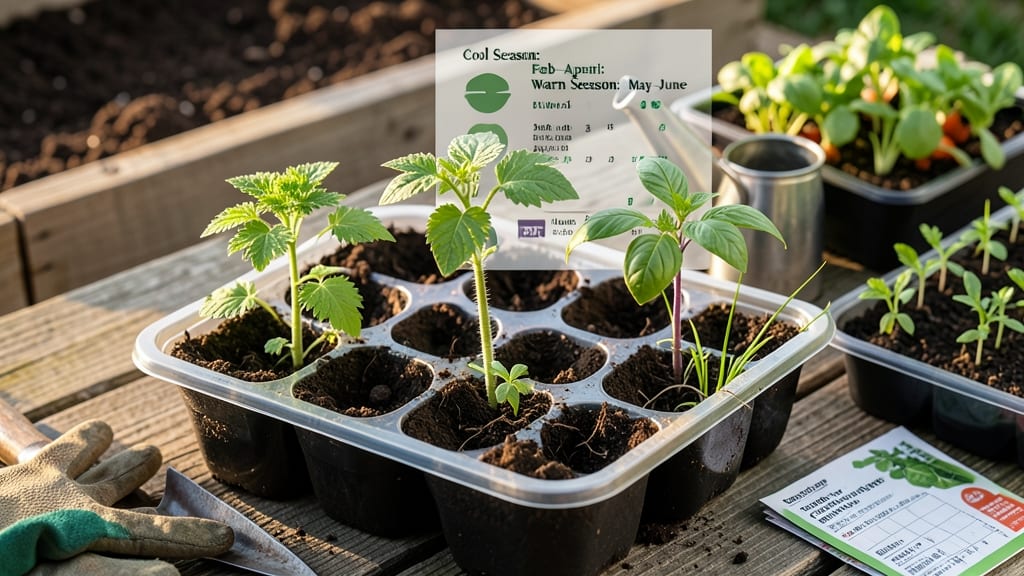
Starting your vegetable garden at the right time can mean the difference between a bountiful harvest and wasted effort, especially in USDA Zone 6a where frost lingers until mid-April.
Picture this: you’ve spent hours preparing the soil, only to watch your seedlings shrivel under a late frost. Or worse, your tomatoes bolt to flower before they’ve even set fruit because you planted too early.
The best time to start depends on your local frost dates, soil temperature, and the types of vegetables you’re growing.
For Zone 6a, early spring—after your last frost date—is ideal for cool-season crops like lettuce and peas, while warm-season vegetables like tomatoes and peppers need to wait until the soil warms to at least 60°F.
But timing isn’t one-size-fits-all: coastal areas may have earlier windows, and inland spots could face delays.
In this guide, I’ll break down the exact planting windows for your region, how to adjust for late starts, and the 5 critical signs you’re planting too early—so you can avoid my mistakes and grow like a pro.
USDA Zone planting calendar: exact dates for starting vegetables by region
Getting your vegetable garden's planting timeline right depends on your USDA hardiness zone, last frost date, and whether you're growing cool-season or warm-season crops. For example, in Zone 5, you might start cool-season crops in early April, while warm-season plants like tomatoes wait until mid-May.
But in Zone 9, you could plant warm-season crops as early as February!
Microclimates—like coastal areas staying warmer longer—can shift these dates by 2-4 weeks. Always check your local frost-free dates and soil temperatures, which should ideally be 50°F+ for most vegetables. I’ve grown enough gardens to know that ignoring these details can mean sad, wilted seedlings or stunted growth.
Here’s a quick reference for cool-season and warm-season planting windows across key USDA zones, including adjustments for early starts and succession planting:
| USDA Zone | Cool-Season Start (Outdoors) | Warm-Season Start (Outdoors) | Soil Temp Threshold | Microclimate Adjustment |
|---|---|---|---|---|
| Zones 3-4 | Mid-April to early May | Late May to early June | 50°F+ for 10+ days | +2 weeks in urban heat islands |
| Zones 5-6 | Early April to mid-May | Mid-May to early June | 55°F+ for 7+ days | -1 week near lakes |
| Zones 7-8 | Late March to early April | Early April to mid-May | 60°F+ for 5+ days | +3 weeks in deserts |
| Zones 9-10 | January to February | February to March | 65°F+ for 3+ days | -2 weeks in coastal fog zones |
For Zone 6a (like where I garden), I always start cool-season crops like spinach and kale in early April, while warm-season tomatoes and peppers wait until after the last frost, typically mid-May.
If you’re in a coastal zone, like Zone 9b, you can plant warm-season crops as early as February—but watch for sudden cold snaps!
Pro tip: Use row covers to extend your cool-season planting by 3-4 weeks in colder zones. I’ve successfully grown lettuce in Zone 5 through October using lightweight fabric. Just remove it when flowers appear to prevent bolting.
Warm-season crops like beans and squash thrive when soil stays above 60°F for at least a week. In Zone 7, I plant these in late April, but in Zone 3, I wait until early June.
Always test soil temperature with a soil thermometer—it’s the most accurate way to avoid stunted growth.
Succession planting is key for continuous harvests. For example, in Zone 8, I plant bush beans every 2 weeks from April to July. This ensures a steady supply instead of one big harvest.
Adjust your schedule based on your crop’s days to maturity—fast growers like radishes (25 days) can go in earlier than cabbage (80 days).
Don’t forget about fall planting! In Zones 4-6, I sow spinach and carrots in late July for a harvest before the first frost. Aim to plant 6-8 weeks before your first frost date—this gives cool-season crops time to mature before winter sets in.
If you’re new to gardening, start with fast-growing crops like bush beans or lettuce to build confidence. These are forgiving if planted slightly late. For tomatoes and peppers, though, timing is critical—plant too early, and they’ll rot in cold soil.
Always check your local extension office for hyper-local advice. Microclimates can shift dates dramatically—my neighbor in Zone 6a plants 2 weeks earlier than me because her yard is sunnier. Happy planting! 🌱
Cool-season vs. warm-season vegetables: when to plant each for maximum yield
Understanding the difference between cool-season and warm-season vegetables is key to planning a productive garden. Cool-season crops thrive in temperatures below 75°F, while warm-season varieties need consistent warmth above 60°F. Planting at the wrong time can stunt growth or invite pests—so timing matters!
For cool-season vegetables, aim to sow seeds 4-6 weeks before your last frost date. These hardy plants include lettuce, spinach, kale, and peas.
In contrast, warm-season crops like tomatoes, peppers, and cucumbers should wait until soil temperatures reach 60°F+ and all frost risk has passed.
Here’s a quick comparison of ideal planting windows for popular vegetables, including strategies for succession planting and season extension:
| Vegetable | Season Type | Best Planting Time | Succession Planting Tip | Extend Season With |
|---|---|---|---|---|
| Lettuce | Cool | 4-6 weeks before last frost | Sow every 2-3 weeks for continuous harvest | Row covers or cold frames |
| Tomatoes | Warm | After last frost, soil 60°F+ | N/A (long season) | Black plastic mulch or cloches |
| Spinach | Cool | Early spring or late summer | Sow every 3 weeks for fall harvest | Frost blankets |
| Peppers | Warm | 2-3 weeks after last frost | Start indoors 8-10 weeks early | Greenhouses or hoop tunnels |
| Carrots | Cool | 4-6 weeks before last frost | Sow every 3 weeks for staggered harvest | Mulch to retain moisture |
| Cucumbers | Warm | After last frost, soil 70°F+ | Trellis for space-saving | Row covers for early starts |
| Kale | Cool | Early spring or late summer | Harvest outer leaves for regrowth | Cold-hardy varieties |
| Beans | Warm | 1-2 weeks after last frost | Sow every 2 weeks until mid-summer | Trellis for vertical growth |
For cool-season crops, use row covers or cold frames to extend harvests into fall. These protective layers shield plants from light frosts while allowing sunlight to penetrate. For example, spinach and kale can thrive well into November with these tools.
Warm-season vegetables often need a head start. Begin tomatoes and peppers indoors 6-8 weeks before the last frost date. Transplant seedlings outdoors only after soil warms to 60°F+. Use black plastic mulch to accelerate soil warming and deter weeds.
Pro tip: Succession planting ensures a steady supply. Sow lettuce every 2-3 weeks in spring and again in late summer for a fall crop. This method maximizes space and harvests while avoiding gluts or shortages.