
Fertilization
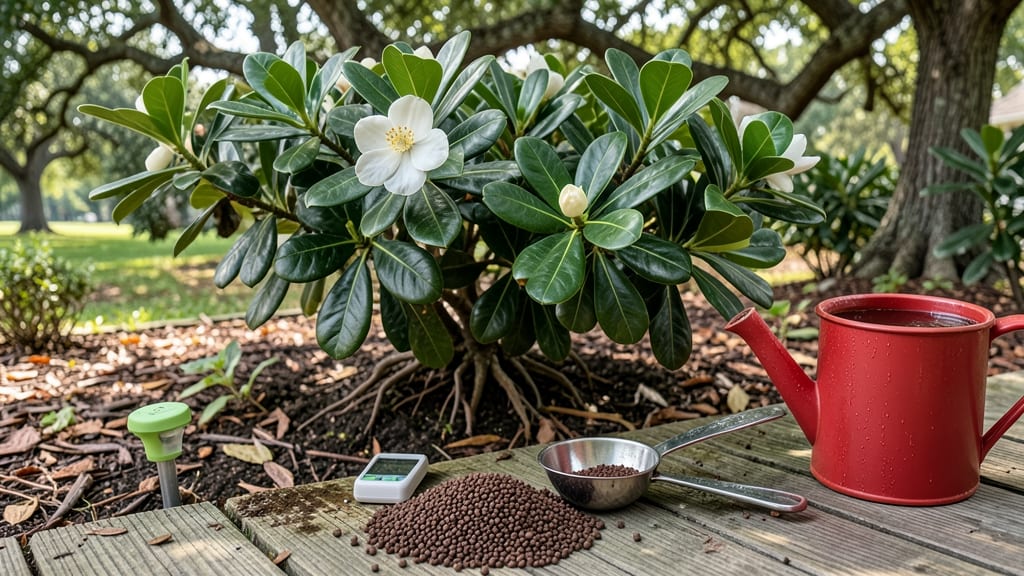
To fertilize gardenias at the right time means feeding them just as new growth appears in spring and again when buds form in summer—timing that makes all the difference between fragrant blooms and sparse foliage.
Struggling to get your gardenias 🌸 to bloom? The timing of fertilization could be the missing piece—overlooking it means missing peak flowering seasons and weaker soil health.
Most gardeners in Zone 6a start fertilizing in late April, right after the last frost, when the plant wakes up from dormancy. A second feeding in early July supports bud development, but too much too soon can burn roots or delay blooms.
Below, I’ll break down the exact months to feed, how often to adjust for your climate, and the telltale signs your gardenia is either starving or drowning in nutrients.

Best months to fertilize gardenias for maximum blooms
Getting your gardenias to produce those fragrant, creamy-white blooms requires more than just water and sunshine—it demands a strategic fertilization schedule. These acid-loving shrubs thrive when fed at the right times, aligning with their natural growth cycles.
Fertilizing too early or too late can stunt blooms or stress the plant, so timing is everything. I’ve learned that gardenias respond best to three key feeding periods throughout the year, each designed to support a different phase of growth.
Most gardeners make the mistake of fertilizing gardenias year-round, which can lead to over-fertilization and burned roots. Instead, focus on seasonal feeding that matches the plant’s needs. For example, early spring kickstarts new growth, while mid-summer supports blooming, and late-season feeding prepares the plant for winter dormancy.
Let’s dive into the exact months and methods that’ll transform your gardenias into blooming powerhouses.
| Season | Months | Fertilization Goal | Frequency | Fertilizer Type |
|---|---|---|---|---|
| Early Spring | March-April | New growth kickstart | Every 4 weeks | Acidic balanced (10-10-10) |
| Mid-Summer | June-August | Bloom support | Every 6 weeks | Slow-release granules |
| Late Summer | September | Root hardening | Light feed | Low-nitrogen organic |
| Winter | October-February | Dormancy period | None | N/A |
The first feeding window opens in late March or early April, right after your gardenias break dormancy. This is when they need a nutrient boost to fuel new leaf growth. I recommend using a balanced, acidic fertilizer like a 10-10-10 formula, which provides equal parts nitrogen, phosphorus, and potassium.
Apply it in the early morning after watering to prevent root burn. Spread 1 tablespoon around the base of each plant, then water deeply to help nutrients soak into the soil.
As summer arrives, shift to a lighter feeding schedule—every 6 weeks instead of every 4. Gardenias bloom best when they’re not overstimulated, so reduce nitrogen slightly to encourage flowering rather than leafy growth.
In June and July, I switch to a slow-release granular fertilizer that provides steady nutrients without the risk of overfeeding. This is especially important if you’re in a hot, humid climate, where gardenias can become stressed.
Don’t skip the late-summer feeding in September, even though blooming is winding down. This final feed—often called a "hardening" feed—helps the plant store nutrients for winter and strengthens its root system. Use a low-nitrogen, organic option like compost or worm castings.
This prepares your gardenias to withstand colder months without losing vigor. I’ve seen gardenias that receive this final boost produce healthier foliage the following spring.
Winter is the only time gardenias should go without fertilizer. During dormancy (October through February), the plant isn’t actively growing, so feeding can damage roots or attract pests. Instead, focus on mulching with pine straw or shredded leaves to maintain soil acidity and retain moisture.
If you’re in a warmer climate where gardenias stay slightly active, you can apply a very light organic feed in December, but most gardeners skip this entirely.
One common mistake I see is over-fertilizing in fall, which can lead to new growth that won’t survive winter. Always check the soil temperature—if it’s below 50°F (10°C), hold off on feeding.
Another tip: if your gardenias are potted, they’ll need more frequent feeding (every 3-4 weeks in spring/summer) because nutrients leach out faster. Use a water-soluble fertilizer for these plants to make application easier.
To maximize blooms, pair your fertilization schedule with proper pruning. After feeding in spring, prune back any dead or crossing branches to improve airflow. In late summer, prune again to shape the plant and encourage next year’s blooms.
Remember, gardenias hate alkaline soil, so if your blooms are sparse, test your soil’s pH (ideal: 5.0-6.0) and amend with sulfur or peat moss if needed.
Signs your gardenias need fertilizer (and when to avoid it)
Your gardenias might be silently screaming for nutrients, even if they look healthy at first glance. Yellowing leaves, sparse blooms, or stunted growth are classic red flags that your soil is running low on essential nutrients.
These acid-loving shrubs thrive when their soil pH stays between 5.0-6.0, and without proper feeding, they’ll struggle to produce those fragrant, creamy-white flowers you love.
But here’s the catch: over-fertilizing can do more harm than good. Too much nitrogen leads to lush foliage but fewer blooms, while excessive salts from synthetic fertilizers can burn delicate roots.
That’s why understanding the visual cues and growth patterns is key to keeping your gardenias happy without overdoing it.
⚠️ When to STOP Fertilizing Gardenias
- Newly planted gardenias (first 6-8 weeks): Roots need time to establish.
- Dormant season (fall/winter): Fertilizer promotes growth when the plant is resting.
- Overwatered soil: Fertilizer burns roots in soggy conditions.
- Leaf scorch or yellowing edges: Sign of stress—pause feeding immediately.
Pro Tip: Always water before fertilizing to prevent root damage.
Start by checking the leaf color. Healthy gardenia leaves are deep green and glossy, but pale or yellowing foliage signals nitrogen deficiency. If you notice small, sparse blooms or buds that drop before opening, your plant may need phosphorus.
Meanwhile, weak stems or slow growth often point to a potassium shortage—both critical for flower production and disease resistance.
Don’t ignore the soil texture either. Compacted or dry soil can block nutrient uptake, even if you’re fertilizing regularly. If your gardenias are potted, root-bound plants (roots circling the container) also struggle to absorb nutrients efficiently.
In these cases, a light feeding combined with loosening the soil or repotting can work wonders.
For organic gardeners, signs like white mold on soil or slug trails on leaves mean your compost or manure might be too fresh. Synthetic fertilizers, on the other hand, can cause crusty soil or white deposits—clear signs of overuse.
Always follow the 1 tbsp per plant rule and flush the soil with water afterward to prevent buildup.
Remember, gardenias are slow growers, so they don’t need frequent feeding. If you’re fertilizing more than every 4-6 weeks during the growing season, you’re likely overdoing it. Instead, focus on balanced nutrition and consistent care—your fragrant blooms will thank you.