
Tools
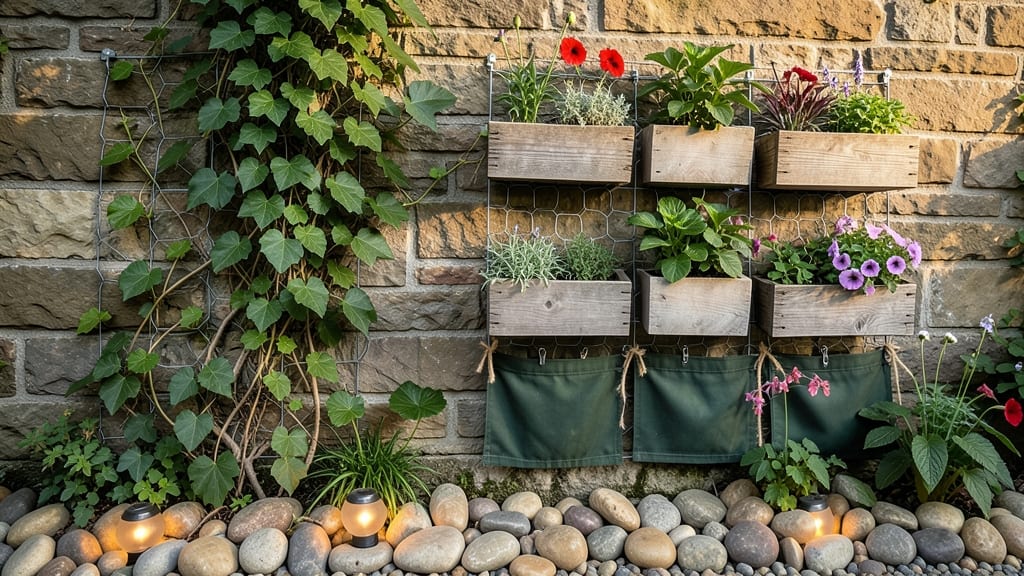
Outdoor wall gardens turn even the smallest yard into a thriving green space 🌿 by growing upward instead of outward.
Picture this: a blank wall transformed into a lush, productive garden that doesn’t steal a single square foot from your patio or lawn. That’s the magic of vertical gardening—no wasted space, just pure greenery and harvests at eye level.
Whether you’re working with a sunny patio, a shady balcony, or a bare stretch of fence, the right design turns any vertical surface into a functional (and beautiful) growing zone. From lightweight fabric pockets to sturdy wooden frames, the options are as varied as the plants you can grow.
Below, I’ll walk you through space-saving designs, plant pairings that thrive vertically, and maintenance tricks to keep your wall garden flourishing year-round—no green thumb required.
How to choose the best outdoor wall garden designs for your space
Choosing the right outdoor wall garden can transform your small yard into a thriving green space. The key lies in selecting materials that suit your climate and plants that thrive vertically. I’ve tested wood, metal, and fabric options—each with unique benefits for durability and aesthetics.
For example, cedar planters resist rot but need sealing, while powder-coated metal lasts decades but can overheat in summer. Your choice depends on whether you prioritize longevity, cost, or ease of assembly.
Before buying, measure your wall’s sunlight exposure and wind patterns. A north-facing wall might only get 3-4 hours of light, perfect for shade-loving ferns or impatiens, while a south wall can support sun-hungry tomatoes or rosemary.
I once placed a pocket planter system in partial shade and struggled with leggy basil—until I swapped it for shade-tolerant Swiss chard. Always match your plants to the light they’ll actually receive.
Now, let’s compare the top outdoor wall garden designs based on material, structure, and maintenance needs to help you decide what works best for your space.
For small urban yards, I recommend starting with modular planters or pocket planters—they’re lightweight, customizable, and perfect for renters. My favorite setup uses fabric pockets filled with a mix of coconut coir and perlite for drainage and moisture retention.
If you’re growing heavy vines like cucumbers, opt for a metal trellis bolted directly to your wall for stability. Just ensure your wall can handle the weight—especially after watering!
Don’t overlook drainage solutions. Poor drainage is the #1 killer of wall gardens. I learned this the hard way when my wooden planters developed mold after heavy rains. Always drill drainage holes in the bottom and add a gravel layer or landscape fabric to prevent clogging.
For fabric planters, choose those with built-in drainage or add a plastic liner with pre-cut holes.
Consider your plant growth habits when designing. Trailing plants like nasturtiums or sweet potatoes need 12+ inches of depth, while shallow-rooted herbs like thyme thrive in 4-inch pockets. I once crammed basil into a 2-inch pocket—it survived but grew slowly.
For maximum yield, match your planter depth to your plants’ root systems. Pro tip: Use vertical space efficiently by stacking planters from deepest (bottom) to shallowest (top).
If your wall faces west or south, prioritize heat-resistant materials like metal or plastic. I’ve seen wooden planters crack after just one summer in direct afternoon sun. For these exposures, self-watering systems are a game-changer—reduce your watering trips by 50%.
My DIY drip irrigation setup uses a 5-gallon bucket with a slow-release valve, keeping my pepper plants thriving all season long.
Lastly, think about accessibility. If you’re short on time, choose designs with easy-access features, like removable pockets or roll-out trays. I designed my wall garden with detachable planters—now I can swap out seasonal plants without bending over.
For example, I replace winter pansies with summer basil in under 10 minutes. This small tweak saved my back and kept my garden looking fresh year-round.
Start small, observe how your plants grow, and adjust as needed. With the right materials, sunlight match, and drainage, your outdoor
Top 5 fast-growing plants perfect for vertical outdoor gardens
Vertical gardens aren't just about saving space—they're about creating stunning, low-maintenance displays that grow quickly and pack a punch. When choosing plants for your wall garden outdoor setup, focus on varieties that thrive in tight spaces and deliver instant curb appeal.
These top picks will transform your wall into a lush, productive green oasis in no time.
One of the biggest advantages of vertical gardening is the ability to grow fast-growing plants that fill gaps quickly. Whether you're working with a small balcony or a blank patio wall, these selections will give you high-impact results with minimal effort.
From fragrant herbs to vibrant flowers, each plant brings something unique to your vertical space.
My favorite fast grower is sweet potato vine—it spreads like wildfire and creates a stunning cascading effect in just a few weeks. Perfect for adding instant color to your wall garden outdoor, it thrives in full sun and requires minimal care.
Plus, it's drought-tolerant once established, making it ideal for busy gardeners.
For edible options, basil and lettuce are game-changers. Basil grows aggressively and produces flavorful leaves perfect for cooking, while lettuce matures quickly for fresh salads. Both plants love well-draining soil and benefit from regular harvesting to encourage bushier growth.
Don't overlook nasturtiums—these edible flowers add a pop of color while attracting pollinators. Their trailing habit makes them perfect for hanging pockets in your vertical setup. Pair them with thyme for a fragrant, low-maintenance combination that thrives in sunny conditions.
When planting these fast growers, remember to use a lightweight potting mix designed for containers. Vertical gardens dry out faster than ground-level beds, so incorporate organic matter like coconut coir to retain moisture.
Water consistently in the morning to prevent fungal issues and give roots time to absorb moisture before evening.