
Tools
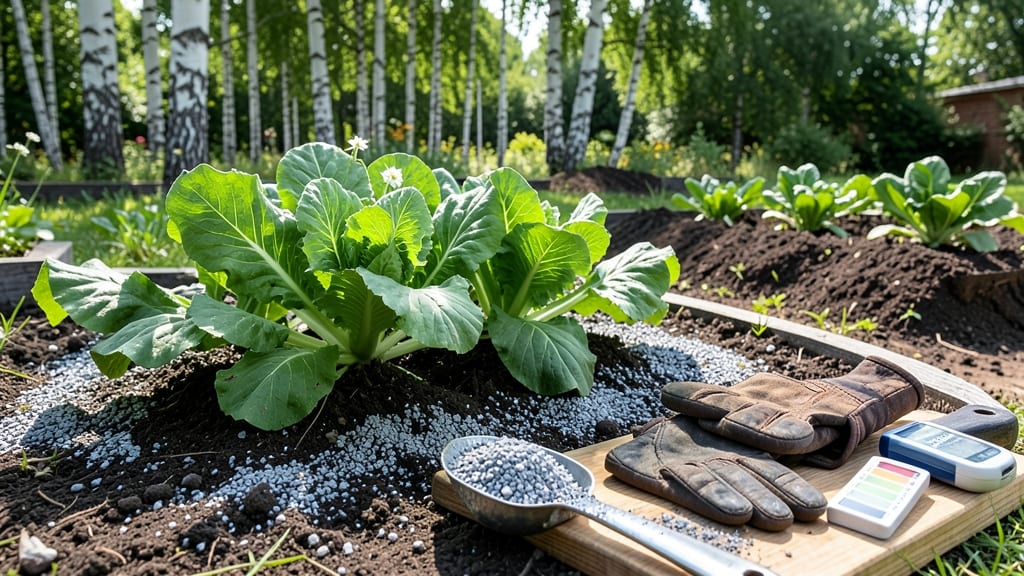
Using wood ashes in garden improves soil pH by raising alkalinity, suppresses weeds with a natural mulch layer, and provides potassium for healthier plant growth—though proper application prevents nutrient imbalances and plant damage. Always use sparingly and test soil first.
Wood ashes work as a natural soil amendment because they're packed with alkaline minerals like calcium and potassium. 🌱 When sprinkled lightly, they neutralize acidic soil while also acting as a weed barrier—just spread a thin layer around plants to block sunlight from sprouting seeds.
The key is moderation: too much can disrupt soil chemistry, so I always recommend mixing into the top inch of soil rather than piling it on. For best results, apply in early spring or fall when plants aren't actively growing.
This method benefits plants like tomatoes, peppers, and roses that thrive in slightly alkaline conditions. 🌿 However, avoid using ashes on acid-loving plants like blueberries or azaleas, as they'll suffer from nutrient lockout.
A simple DIY pH test using red cabbage juice can help you monitor changes—just drop ash-treated soil in the juice and watch for color shifts from purple to blue-green for alkalinity.
💡 In This Article
- How Wood Ashes Alter Soil Chemistry and Plant Health
- Best Practices for Applying Wood Ashes in Gardens
How wood ashes alter soil chemistry and plant health
The magic of wood ashes lies in their chemical composition, primarily calcium carbonate and potassium oxide. When applied to soil, these compounds react with hydrogen ions, effectively raising the pH level in acidic soils.
For example, a 1-inch layer of ash can increase soil pH by 0.5 to 1.0 points—enough to transform a 5.5 pH (moderately acidic) soil into a 6.5 pH (near-neutral), which is ideal for most vegetables and flowers. 🌱 This alkaline boost helps unlock essential nutrients like phosphorus and nitrogen that become unavailable in overly acidic conditions.
Beyond pH adjustment, wood ashes provide a slow-release supply of potassium (about 1–2% by weight), a crucial nutrient for plant vigor and disease resistance. The potassium content helps strengthen cell walls, making plants more resilient to stress—like drought or pest attacks.
However, the calcium in ashes also binds with phosphorus in the soil, which can create temporary shortages if not balanced with other amendments like bone meal. This is why experts recommend testing soil before and after application to avoid nutrient imbalances.
What happens at the microbial level is equally fascinating. Wood ashes introduce beneficial bacteria and fungi that thrive in slightly alkaline conditions, breaking down organic matter more efficiently. These microbes help decompose mulch and plant debris, releasing nutrients back into the soil.
But here's the catch: too much ash disrupts this microbial ecosystem by creating an overly alkaline environment (above 7.5 pH), which can harm beneficial microbes and even burn tender roots. 💥 The sweet spot is a 6.0–7.0 pH range, where most garden plants flourish.
Another critical mechanism is the physical structure of wood ashes. When sprinkled lightly, they create a fine, gritty texture that improves soil aeration and drainage—especially in heavy clay soils. This granular consistency also helps suppress weeds by blocking sunlight from reaching weed seeds, acting like a natural mulch.
However, the particles are so fine that they can easily blow away in windy conditions, so they should always be lightly raked into the top ½ inch of soil rather than left on the surface.
For visual learners, imagine this: a garden bed with dark, compacted soil (acidic) transformed into a fluffy, crumbly texture (alkaline) after ash application.
The color shift from dull brown to a richer, darker hue signals improved organic matter and microbial activity. 🌿 But the transformation isn't instant—it takes 4–6 weeks for the full chemical reactions to stabilize, so patience is key.
One often-overlooked detail is how wood ashes affect soil structure over time. The calcium in ashes promotes soil aggregation, helping sand and clay particles bind together into stable crumbs.
This improves water retention in sandy soils while preventing compaction in clay soils. The result? Healthier roots with better access to oxygen and nutrients—a win-win for plant growth.