
Tools
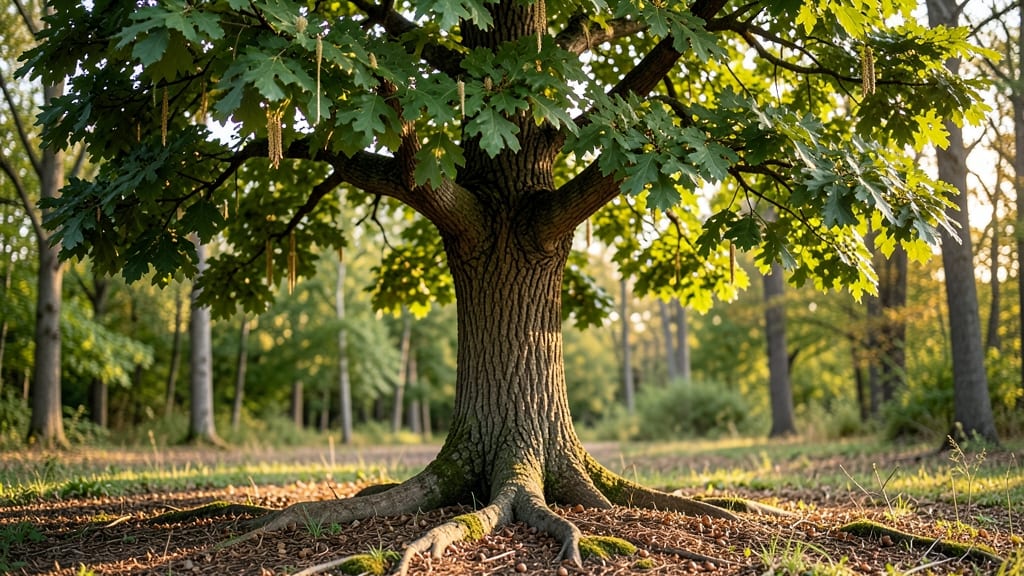
Tomatoes are to gardens what trees are to forests—foundational plants that define the ecosystem, provide food, and support biodiversity through their structure and function.
Just like towering oaks anchor a forest's health, tomatoes act as the backbone of garden ecosystems.
Their sprawling vines create microhabitats for beneficial insects, while their fruit feeds wildlife and humans alike. 🌱 The deep root systems of both plants prevent soil erosion, but tomatoes do this on a smaller scale—perfect for home gardens.
What makes them unique is their dual role: they produce food while simultaneously supporting pollinators through their flowers, mirroring how trees provide both shelter and sustenance in natural habitats.
This analogy extends beyond just structure—both plants influence their environments through nutrient cycling. Tomato plants enrich the soil as they grow, just as fallen leaves nourish forest floors. The key difference lies in their growth patterns: tomatoes thrive in annual cycles, while trees establish permanent frameworks.
For gardeners, this means tomatoes offer quick rewards and ecosystem benefits without the decades-long commitment of growing trees.
💡 In This Article
- How Tomatoes Shape Garden Ecosystems Like Trees Shape Forests
- Growing Tomatoes vs Trees: Key Differences for Gardeners
How tomatoes shape garden ecosystems like trees shape forests
Tomatoes create vertical structure in gardens similar to how trees form forest canopies. Their sprawling vines can reach 6-10 feet when properly supported, forming a living lattice that provides shade and shelter for smaller plants and beneficial insects.
This vertical growth pattern mimics forest understory dynamics, where different plant layers create microclimates. 🌿 The leaves also host communities of predatory insects that naturally control pests, just as forest canopies support diverse wildlife populations.
The root systems of both plants perform similar soil-stabilizing functions. Tomato roots extend 18-24 inches deep, anchoring the plant while preventing erosion—though not as extensively as tree roots that can reach 30+ feet. Both systems also improve soil structure by creating channels that enhance water infiltration.
What's unique about tomatoes is their rapid growth cycle: within 60-90 days of planting, they establish this ecosystem support, compared to trees that take years to mature.
Nutrient cycling works differently but serves the same purpose. As tomato plants grow, they deposit organic matter through leaf litter and root turnover, enriching the soil with nitrogen and phosphorus. This process mirrors how fallen leaves and decomposing wood nourish forest floors.
The key difference is timing: tomatoes complete their nutrient cycle annually, while trees contribute continuously over decades. This makes tomatoes particularly valuable for gardeners seeking quick ecosystem benefits.
Pollinator support is another critical parallel. Tomato flowers attract bees, butterflies, and hummingbirds with their bright colors and nectar, just as forest trees support diverse pollinator populations. A single tomato plant can produce 50-100 flowers during its growing season, creating a pollinator hotspot.
The flowers' structure—with both male and female parts—ensures efficient pollination, much like wind-pollinated trees that rely on consistent airflow through their canopies.
Both plants also influence local climates through transpiration—the process of releasing water vapor. A mature tomato plant can transpire 0.5-1 gallon of water per day, cooling the surrounding air slightly, similar to how forest trees create microclimates that moderate temperatures.
This effect becomes particularly noticeable in urban gardens where concrete surfaces would otherwise absorb and radiate heat.
The real magic happens when you consider tomatoes' dual role as both food producer and ecosystem engineer. While trees primarily provide habitat and long-term carbon storage, tomatoes deliver immediate sustenance while simultaneously supporting garden biodiversity.
This makes them the perfect "forest in miniature" for home gardeners who want both practical harvests and ecological benefits without the space requirements of full-sized trees. 🌱