
Tools
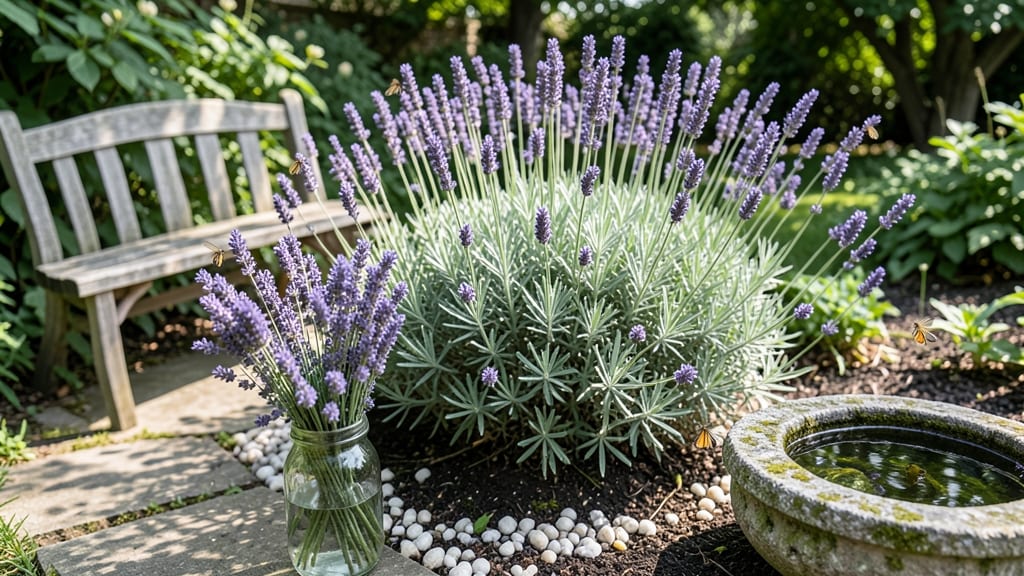
The Garden of Happiness is a purposefully designed outdoor space that combines nature and emotional well-being, drawing inspiration from ancient Persian paradise gardens and later evolving in European and Asian traditions to create joy through thoughtful plant selection, color harmony, and sensory engagement.
The concept of these intentional gardens traces back over 2,500 years to Persian Charbagh designs, which symbolized paradise through geometric layouts and water features. 🌿 These spaces weren't just decorative—they were philosophical tools meant to restore balance and tranquility.
In modern interpretations, happiness gardens often incorporate elements like fragrant herbs, vibrant flowers, and winding paths to stimulate all five senses while promoting mindfulness. The key difference today is practicality: contemporary versions blend therapeutic benefits with functional outdoor living spaces.
What makes these gardens so effective is their ability to create micro-environments that reduce stress through biophilic design principles. Studies show that even small garden spaces with carefully chosen plants can lower cortisol levels by up to 30%.
The most successful happiness gardens today often include lavender for relaxation, roses for visual beauty, and citrus for sensory stimulation, arranged in ways that encourage gentle movement and contemplation.
💡 In This Article
- Ancient Roots of Happiness Gardens in Persian and Chinese Traditions
- Modern Happiness Garden Design: Plants and Layouts for Well-Being
Ancient roots of happiness gardens in Persian and Chinese traditions
The Persian Charbagh gardens, dating back to 500 BCE, were the original blueprints for happiness spaces. These meticulously designed layouts divided land into four equal quadrants—symbolizing the four zodiacal humors (earth, air, fire, water) and the four seasons—with a central water feature like a pool or fountain.
The word "Charbagh" literally means "four gardens," reflecting their philosophical purpose: to create a microcosm of paradise that restored balance to the human spirit. 🌿 Archaeological evidence shows these gardens included fragrant flowers like jasmine and roses, arranged in precise geometric patterns that guided visitors through meditative pathways.
In Chinese tradition, scholar's gardens emerged during the Song Dynasty (960-1279 CE) as retreats for intellectuals seeking tranquility. Unlike Persian gardens' rigid symmetry, Chinese designs embraced natural imperfection ("shan shui" or "mountain-water" aesthetics), using winding paths, rock formations, and water features to mirror the harmony of the natural world.
The five elements—wood, fire, earth, metal, and water—were carefully integrated through plant selection (pine trees for longevity, bamboo for flexibility) and structural elements (stone bridges, pavilions). These gardens weren't just decorative; they were tools for contemplation, where scholars would compose poetry or reflect while surrounded by carefully curated nature.
The key difference between these traditions lies in their philosophical approaches. Persian gardens emphasized order and symmetry to create a sense of divine harmony, while Chinese gardens prioritized organic flow and imperfection to mirror life's natural rhythms.
Both, however, shared the same core principle: that nature could heal the human psyche. 💫 The Persian Charbagh's water features, for example, weren't just decorative—they represented the life-giving force that purified both body and soul, while Chinese gardens used water to symbolize the flow of time and the interconnectedness of all things.
What's fascinating is how these ancient concepts traveled and evolved. Persian garden designs influenced Islamic gardens in Spain (like the Alhambra's Court of the Myrtles) and later European Renaissance gardens, where the four-part division became a status symbol among nobility.
Meanwhile, Chinese scholar's gardens inspired Japanese tea gardens, which stripped away even more ornamentation to focus purely on the meditative experience. The common thread? Each adaptation maintained the fundamental idea that nature could be harnessed to cultivate happiness through intentional design.
Modern happiness gardens often blend these traditions, using elements from both Persian symmetry and Chinese naturalism. For instance, you might see a contemporary garden with a geometric layout (Persian influence) but with winding paths that encourage exploration (Chinese influence).
The plants chosen—like lavender for calm or citrus for sensory stimulation—often reflect this cross-cultural fusion, creating spaces that feel both structured and free-flowing. This hybrid approach allows today's gardeners to access the emotional benefits of both traditions simultaneously.
One lesser-known detail is how these ancient gardens incorporated color psychology long before modern science validated it. Persian gardens used vibrant blues and greens near water features to evoke tranquility, while Chinese gardens often included reds and golds in pavilions to symbolize prosperity and joy.
These color choices weren't arbitrary—they were deliberate tools for emotional regulation, a principle that modern happiness gardens continue to employ through plant selection and hardscape materials.