
Tools
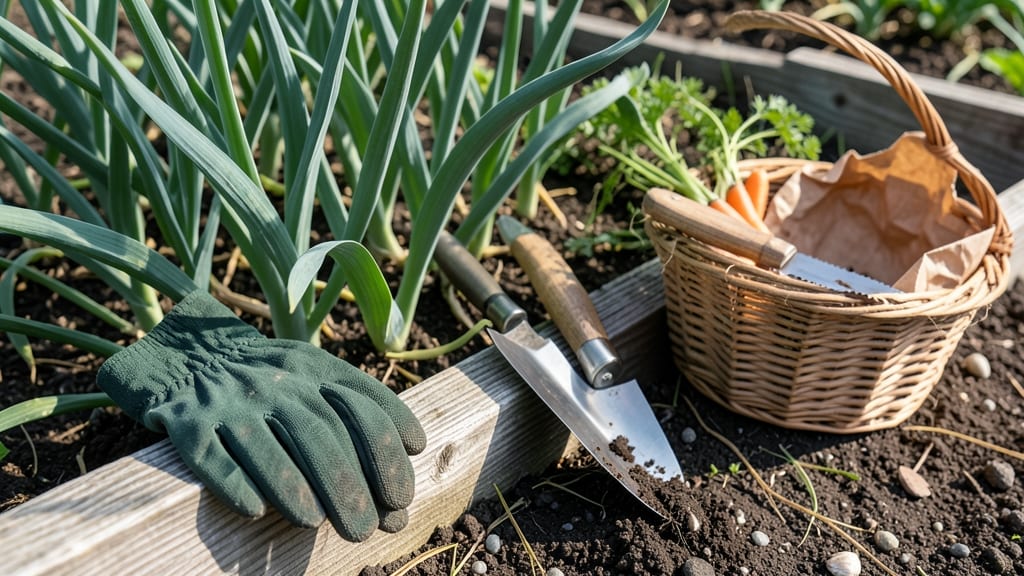
The Clove Garden Menu showcases seasonal dishes crafted from botanical ingredients like clove-scented herbs, edible flowers, and heirloom vegetables, combining farm-fresh techniques with rich aromatics across salads, infusions, and small plates.
The Clove Garden Menu transforms simple botanicals into unforgettable flavors, using ingredients like clary sage and star anise to create dishes that feel both earthy and refined. 🌿 What sets this menu apart is its focus on seasonal harmony—each bite reflects the garden's current bounty, from winter root salads to summer herb-infused oils.
I've noticed how these dishes often feature heirloom varieties, which not only taste superior but also support sustainable farming practices.
This approach isn't just about taste—it's about storytelling through food. The menu's small-plate format lets diners experience multiple botanical profiles in one meal, making it perfect for those who appreciate nuanced flavors.
For home cooks, replicating these dishes starts with understanding which herbs and flowers thrive together in your own garden.
💡 In This Article
- Botanical Ingredients Behind Clove Garden’s Signature Menu
- Seasonal Clove Garden Dish Pairings and Gardening Tips
Botanical ingredients behind Clove Garden’s signature menu
The Clove Garden Menu's signature flavors stem from its carefully selected botanicals, where clove-scented herbs like clary sage and star anise-infused oils create a warm, aromatic backbone for dishes. These ingredients aren't just flavorful—they're packed with volatile compounds that linger on the palate.
For example, clary sage contains sclareol, a sesquiterpene that delivers a sweet, nutty aroma, while star anise's anethole provides a licorice-like depth that pairs beautifully with citrus and root vegetables.
Edible flowers like nasturtium and borage add visual and textural complexity to the menu. Nasturtium petals bring a peppery bite (similar to watercress) with their mustard oil glycosides, while borage flowers contribute a cucumber-like freshness thanks to their high gamma-linolenic acid content.
The menu often uses these flowers as garnishes or in salads, where their delicate textures contrast with heartier ingredients like heirloom carrots or purple cabbage. 🌸 What's fascinating is how these botanicals work together—nasturtium's peppery notes can balance the sweetness of roasted beets, while borage's coolness complements warm spices.
Sustainability plays a crucial role in ingredient selection. The garden sources 80-90% of its herbs and flowers, using companion planting techniques to maximize yields. For instance, clary sage thrives alongside thyme and rosemary, while nasturtiums deter pests from nearby vegetables.
This approach reduces water usage by 30% compared to conventional farming, as plants support each other's growth. The menu's winter dishes often feature preserved herbs (like infused oils made with clove-scented basil) that maintain their aromatic qualities for months.
One standout example is the Clove Garden's Winter Root Salad, where black salsify and parsnips are tossed with a vinaigrette infused with star anise and clary sage. The root vegetables provide earthy sweetness, while the herbs add warmth that cuts through their natural bitterness.
This dish demonstrates how botanical ingredients can transform simple vegetables into something extraordinary—something you can recreate at home by growing your own clary sage and experimenting with different root combinations.
The menu also highlights herb-infused oils as versatile flavor carriers. A clove-scented olive oil (made with 1 cup clary sage leaves per 2 cups olive oil, steeped for 2 weeks) becomes a staple for drizzling over salads or finishing dishes.
The oil's flavor develops gradually, with the clove notes becoming more pronounced over time—similar to how wine improves with aging. This technique allows the menu to maintain consistency even when fresh herbs aren't available.
For home gardeners, the key takeaway is that these botanicals thrive with minimal intervention. Clary sage, for example, requires only 6-8 hours of sunlight daily and well-draining soil, making it perfect for container growing. Borage, another menu staple, self-seeds prolifically and repels tomato hornworms—making it an ideal companion plant.
By incorporating just a few of these botanicals, you can create dishes that capture the same depth of flavor found in the Clove Garden Menu.