
Tools
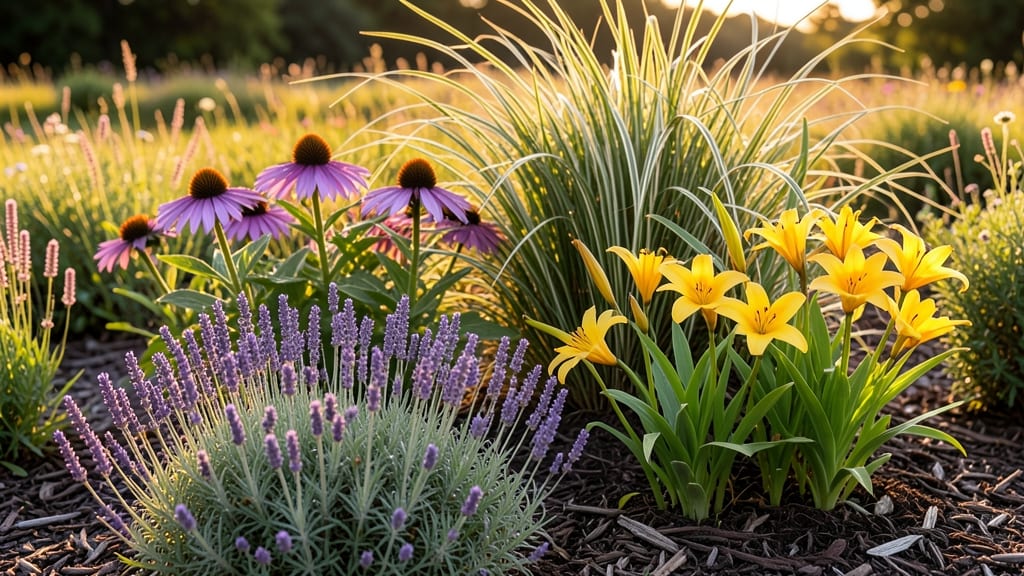
The best place for a garden depends on sunlight, soil, and space—but getting it right means the difference between lush greenery and a struggling patch of dirt.
Picture this: You’ve spent hours prepping soil, picked out your favorite seeds, and then—nothing grows. Why? Because your garden’s location might be working against you, not for you. The right spot isn’t just about open space; it’s about sunlight patterns, drainage, and even wind protection.
Whether you’re in a cozy backyard, a tiny urban balcony, or a sprawling rural plot, the key is matching your garden’s needs to its environment. We’ll break down how to assess your yard’s strengths, from full-sun hotspots to shady corners perfect for delicate plants.
By the end, you’ll know exactly where to dig—and how to make the most of every square foot, no matter your space. Ready to turn dirt into a thriving green oasis?
How sunlight exposure affects your garden’s success
Sunlight is the lifeblood of your garden, dictating everything from plant growth rates to flower production. Too little sun leads to leggy, weak plants, while too much can scorch delicate foliage.
Understanding your yard’s natural light patterns ensures you place each plant in its ideal spot—whether that’s full sun, partial shade, or full shade.
Before you dig, observe how sunlight moves across your space throughout the day, especially during the longest days of summer and shortest days of winter.
Start by mapping your yard’s sunlight zones. Use a sunlight tracker or simply place a white board in different spots for a week. Mark where shadows fall at 10 AM, noon, and 4 PM.
South-facing areas in the Northern Hemisphere typically get the most sun, while north-facing spots remain shady. East-facing spots catch morning sun, perfect for moisture-loving plants, and west-facing areas can become scorching hot in afternoons.
Your observations will reveal microclimates—small areas with unique light conditions—that can transform struggling plants into thriving ones.
Sunlight needs vary dramatically by plant type. Vegetables like tomatoes and peppers demand 6-8 hours of direct sun, while herbs such as basil and thyme thrive in 4-6 hours. Meanwhile, shade-loving plants like hostas or ferns wilt in anything more than 2-4 hours of morning sun. Misplacing a plant—like growing sunflowers in a shady corner—can result in stunted growth or no flowers at all. The key is matching each plant’s light requirements to your yard’s available sunlight.
| Plant Type | Sunlight Needs | Best Placement | Examples |
|---|---|---|---|
| Full Sun Lovers | 6-8+ hours | South or west-facing | Tomatoes, Peppers, Lavender, Sunflowers |
| Partial Sun/Shade | 3-6 hours | East-facing or dappled shade | Basil, Coleus, Hydrangeas, Impatiens |
| Full Shade | 2-4 hours (morning only) | North-facing or under trees | Hostas, Ferns, Astilbe, Caladiums |
| Container Plants | Varies by variety | Balcony, patio, or movable pots | Herbs, Lettuce, Petunias, Succulents |
Once you’ve mapped your yard, group plants with similar sunlight needs together. For example, place tomatoes and peppers in the sunniest spot, while leafy greens like lettuce can tolerate partial shade to prevent bolting.
If your yard lacks natural shade, use lattice screens, umbrellas, or fast-growing shade plants like coleus to create microclimates. Even a few hours of afternoon shade can protect heat-sensitive plants from wilting.
Think of your garden as a sunlight puzzle, where every inch of space can be optimized for the right plant.
Don’t overlook the seasonal shift in sunlight. What’s full sun in summer may become partial shade in winter. If you’re planting perennials or long-term shrubs, consider how their mature size will affect sunlight exposure.
A 6-foot tall hydrangea planted in full sun today might cast deep shade over your daylilies in just a few years. Plan
Soil quality checklist: what to test before planting
Before breaking ground for your garden, I always test the soil—it’s the foundation for healthy plants. Poor soil can lead to stunted growth, nutrient deficiencies, or even plant death. By checking drainage, pH balance, and nutrient levels, you can create the perfect growing conditions for your garden.
Start by observing how water behaves in your soil. After a heavy rain, do puddles linger for hours? Or does water disappear within minutes? These clues reveal whether your soil drains too slowly or too quickly. Clay soil holds water like a sponge, while sandy soil lets it rush through.
Both extremes need amendments to strike the right balance.
⚠️ WARNING: Ignoring soil issues can ruin your garden before it starts!
Even the hardiest plants struggle in compacted or nutrient-poor soil. Test drainage by digging a 12-inch hole, filling it with water, and timing how long it takes to drain. If it takes more than 6 hours, your soil may be too dense. For pH, use a simple test kit—most veggies thrive in 6.0-7.0 range. Amend with compost or sulfur if needed.
Next, grab a soil pH test kit (available at garden centers for under $10). Aim for a neutral pH of 6.0-7.0—this suits most vegetables, herbs, and flowers. Blueberries and azaleas prefer acidic soil (pH 4.5-5.5), while asparagus and broccoli do best in slightly alkaline conditions (pH 7.0-8.0).
Adjust pH with lime to raise it or sulfur to lower it.
Don’t overlook nutrient levels—even fertile-looking soil can lack essential minerals. Conduct a soil nutrient test to check for nitrogen (N), phosphorus (P), and potassium (K).
Add compost for organic matter or balanced fertilizer (like 10-10-10) to boost nutrients. For example, tomatoes love phosphorus-rich soil, while leafy greens benefit from nitrogen.
Amending soil is easier than you think! Mix in 2-3 inches of compost before planting to improve texture and fertility. For heavy clay, add sand or perlite to loosen it. If your soil is too sandy, incorporate peat moss or coconut coir to retain moisture.
Regularly top-dress with mulch (like straw or wood chips) to preserve soil health and suppress weeds.
Remember, soil is a living ecosystem. By testing and amending it now, you’ll set your garden up for success—no more guessing whether your plants will thrive or struggle. Happy digging! 🌱