
Landscaping
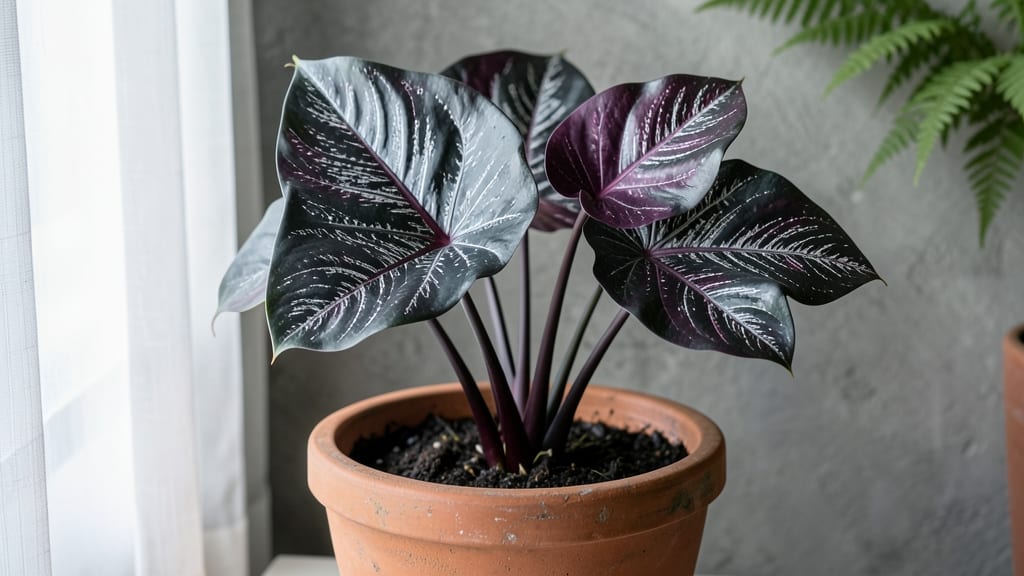
Creating alocasia garden ideas that wow without the fuss is easier than you think—these tropical stunners thrive in shade and turn any space into a lush, low-maintenance paradise.
Picture this: bold, arrow-shaped leaves the size of dinner plates framing a cozy patio, or cascading over a balcony railing like a jungle waterfall. The key is playing to alocasia’s strengths—moisture-loving soil, dappled light, and that dramatic foliage that demands attention without demanding constant care.
Whether you’re working with a sunken courtyard, a shady corner of the yard, or even just a few large pots on a covered porch, these layouts prove alocasia isn’t just for green thumbs—it’s for anyone who wants a tropical vibe with minimal effort.
Think layered textures with ferns, or a striking contrast against dark mulch.
Below, I’ll walk you through 15+ creative setups, from container gardens for small spaces to full-scale shade gardens that make alocasia the star. Ready to transform your outdoor (or indoor) oasis?
15 Creative alocasia garden layouts for different spaces
Alocasia plants bring dramatic tropical flair to any garden space, whether you have a cozy balcony or a sprawling backyard. Their bold, arrowhead-shaped leaves create stunning focal points while thriving in shady or low-light areas.
With varieties like 'Polly' (compact) and 'Black Velvet' (deep purple), you can design layouts that fit your space perfectly.
For small spaces, alocasia excels in containers and vertical gardens, while larger areas can showcase them as ground covers or specimen plants. The key is balancing their moisture needs with proper drainage and humidity-loving conditions.
Whether you're creating a jungle-inspired nook or a modern indoor-outdoor transition, these ideas will inspire your next alocasia garden project.
Comparison Table: Alocasia Layouts by Space Type
| Space Type | Best Varieties | Layout Style | Key Features |
|---|---|---|---|
| Small Balcony | 'Polly', 'Dracunculus' | Container Clusters | Hanging pots, mixed heights, 3-5 plants per container |
| Indoor Transition | 'Zebrina', 'Regal Shield' | Floor Planters | Large ceramic pots, paired with ferns, near sliding doors |
| Shady Garden Bed | 'Black Velvet', 'Sapphire' | Ground Cover | Spaced 2-3 ft apart, mulched with orchid bark |
| Large Patio | 'Elephant Ear', 'Portuguese Red' | Specimen Focal Point | Centered with lighting, surrounded by hostas |
| Vertical Wall | 'Mini Alocasia', 'Polly' | Hanging Planters | Tiered shelves, cascading foliage, 12" spacing |
Start with a container arrangement for balconies or patios—group 3-5 alocasia plants in a large pot with orchid bark mulch to retain moisture. Place the container near a north-facing window or under a shade cloth to protect leaves from harsh sun.
For 'Polly', use hanging baskets to create a waterfall effect with trailing ferns.
In larger gardens, use alocasia as a ground cover alternative in shady areas where traditional lawns struggle. Space plants 2-3 feet apart and pair them with hostas or astilbes for contrasting textures.
Add a layer of black mulch to highlight the dramatic foliage while suppressing weeds. This works beautifully under tree canopies or along foundation plantings.
For a modern indoor-outdoor transition, create a living room extension by placing large alocasia planters near sliding glass doors. Choose 'Zebrina' or 'Regal Shield' for their architectural leaves, and pair them with monstera or bird of paradise for height contrast.
Use pebble trays under pots to increase humidity and prevent leaf browning.
Don't overlook seasonal transitions—in cooler months, bring container-grown alocasia indoors near bright windows and reduce watering slightly. For year-round outdoor living in USDA zones 10-12, plant 'Black Velvet' as a perennial focal point with dwarf bamboo for a tropical bamboo garden vibe.
Pro tip: Use reflective surfaces like mirrors or light-colored pots to amplify the glossy leaves of alocasia. This trick makes your plants appear 30% larger while creating a luxurious jungle atmosphere in even the smallest spaces. Pair with string lights for evening interest.
For low-maintenance care, group alocasia with other humidity-loving plants like calatheas or philodendrons to create a microclimate. This reduces the need for daily misting while keeping leaves vibrant and healthy. In hot climates, provide afternoon shade to prevent leaf scorch.
Experiment with unexpected containers like terracotta urns or repurposed bathtubs to add visual interest. Fill the base with sphagnum moss for extra moisture retention, and top with well-draining potting mix. This approach works beautifully for 'Elephant Ear' varieties that need room to spread.
Creating a stunning shade garden with alocasia starts with selecting the right companions. These dramatic foliage plants thrive when paired with textures and colors that enhance their bold leaves. The key is balancing height, color contrast, and foliage patterns to create visual harmony. I love mixing alocasia with plants that share similar humidity and moisture needs while offering different shapes—like delicate ferns or lush hostas—to keep the look dynamic. One of my favorite combinations is pairing alocasia 'Polly' with calathea 'Rattlesnake' and philodendron 'Brasil'. The velvety leaves of calathea and the glossy, heart-shaped foliage of philodendron create a tropical rainforest vibe that complements alocasia’s elephant ear leaves. This trio thrives in low to medium light and adds layers of color and texture without competing for space.How to pair alocasia with other shade-loving plants
When designing your shade garden layout, think about spacing—alocasia needs room to grow, so place them 18-24 inches apart from other plants. For example, in a container garden, I mix one alocasia 'Dragon Scale' with three calatheas and two ferns in a large, well-draining pot.
This creates a balanced, lush display that’s perfect for patios or shaded balconies.
Don’t overlook ground covers like asparagus fern or sweet potato vine to fill gaps and add trailing texture. These plants also help retain soil moisture, which alocasia loves.
For a whimsical touch, add colorful annuals like impatiens or begonias in spring and summer—they’ll bloom beautifully under the dappled shade that alocasia prefers.
Pro tip: Rotate your plants seasonally to keep the garden fresh. In fall, swap out summer annuals for evergreen hellebores or Japanese painted ferns to maintain year-round interest. This ensures your alocasia garden stays vibrant, layered, and full of life without requiring constant maintenance.
With the right pairings, your shade garden will feel like a tropical escape—lush, inviting, and effortlessly stunning. The secret is layering textures, playing with colors, and keeping care routines consistent. Happy planting! 🌿