
Size
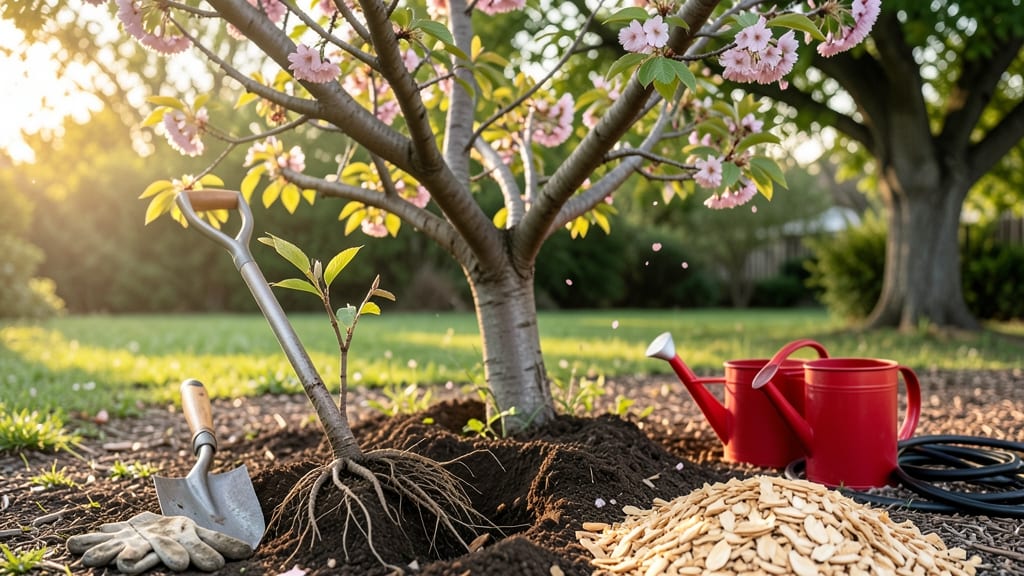
To grow a sakura tree in your garden, choose a variety based on mature height—dwarf types reach 15 feet while weeping varieties can exceed 60 feet—and plant in well-draining soil with full sunlight exposure. Annual pruning and wind protection are essential for healthy growth.
Sakura trees (Japanese cherry blossoms) thrive when you match their needs to your space. 🌸 Dwarf varieties like 'Shirotae' stay compact, perfect for small yards, while standard types need room to spread their canopies.
The key is balancing sun exposure—at least 6 hours daily—with proper soil drainage to prevent root rot. I've found that planting in early spring gives young trees a strong start before summer heat sets in.
Don't overlook seasonal care: mulching in winter protects roots from freezing, while light pruning after blooms encourages fuller growth. Some varieties, like the popular Yoshino, bloom spectacularly for just 1-2 weeks, so timing matters for that seasonal show.
The right preparation makes all the difference between a struggling sapling and a stunning garden centerpiece.
💡 In This Article
- Sakura Tree Varieties and Their Mature Heights
- Step-by-Step Sakura Tree Planting and Care Guide
Sakura tree varieties and their mature heights
The world of sakura trees offers stunning diversity in both form and size. The Yoshino variety, one of the most popular, typically matures between 30-40 feet with a rounded canopy, while its close relative, the Somei-Yoshino, grows slightly taller at 40-50 feet.
These varieties produce the iconic pink blossoms that blanket Japanese landscapes each spring, but their growth habits differ—Yoshino trees develop a denser branching structure, making them ideal for urban gardens where space is limited. 🌸
For those with larger properties, the Kwanzan cherry stands out with its vibrant double blooms and mature height of 40-60 feet. This variety thrives in full sun and develops a broad, spreading canopy that creates dramatic shade.
On the opposite end of the spectrum, dwarf varieties like 'Shirotae' (white blossoms) and 'Shidarezakura' (weeping form) reach only 15-20 feet at maturity, perfect for small yards or container planting. The weeping types develop graceful, cascading branches that can extend 10-15 feet beyond the trunk when fully mature.
Seasonal bloom timing varies significantly between varieties. Early bloomers like 'Kanzan' burst into color in late March, while late varieties such as 'Fugenzo' wait until early May. This variation allows gardeners to extend their sakura viewing season by planting multiple varieties.
The bloom duration also differs—standard types typically flower for 7-10 days, while double-bloom varieties like Kwanzan can extend this to 2-3 weeks with proper care. 🌿
Understanding these height differences helps with long-term planning. A 60-foot weeping sakura needs 30-40 feet of horizontal space at maturity, while a dwarf variety fits comfortably in a 5-foot diameter planting circle.
The root systems also vary—standard varieties develop deep taproots that require 6-8 feet of soil depth, while container-grown dwarf types have shallower root systems adapted to limited spaces. This structural diversity means sakura trees can thrive from suburban backyards to large estate gardens.
Color variations add another layer to variety selection. Beyond the classic pink of Yoshino, you'll find white blossoms in 'Shirotae', deep red-pink in 'Benishidare', and even bi-color varieties like 'Akebono' with pink edges and white centers.
These color differences don't affect height but do influence the visual impact of your garden during bloom season. The right variety can transform your landscape from a simple garden feature to a seasonal spectacle. 🌺
When choosing, consider your climate zone. Southern varieties like 'Okame' (20-30 feet) handle warmer winters better, while northern varieties such as 'Autumnalis' (30-40 feet) bloom later and tolerate colder temperatures. This regional adaptation ensures your sakura will thrive where you live, maximizing both growth potential and flowering performance.
The key is matching the variety's native growing conditions to your local climate for optimal results.