
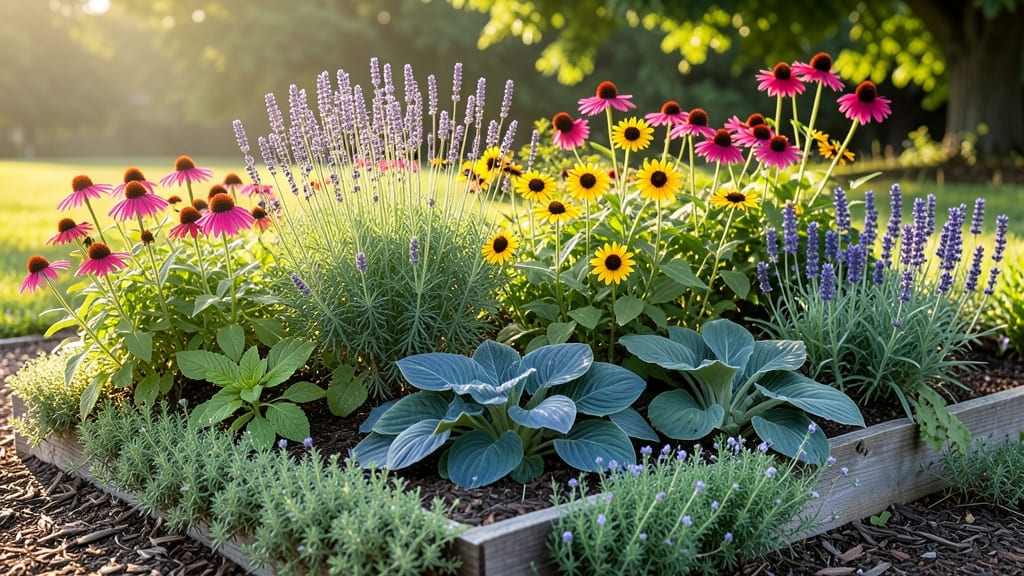
Popular Garden Plants: Year-Round Color & Pollinator Powerhouse Picks

Companion Plants

Popular Garden Plants: Year-Round Color & Pollinator Powerhouse Picks

Growing popular garden plants 🌱 can turn your yard into a low-maintenance paradise that blooms with color and buzzes with life—no green thumb required.

Picture this: a front yard that stays vibrant from spring to fall, where bees dart between flowers and hummingbirds sip nectar while you sip your morning coffee. The secret? Choosing the right mix of pollinator-friendly plants that thrive in your climate, whether you’ve got full sun or shady spots.

These aren’t just pretty faces—they’re the backbone of a resilient garden. Some repel pests naturally, others attract beneficial insects, and a few even clean the air. The best part? Many of them ask for almost nothing in return—just a little space, some sunlight, and occasional water.

Below, I’ll walk you through 15 standout picks—from sun-loving sunflowers to shade-tolerant hostas—that fit seamlessly into any design. You’ll learn how to combine them for year-round interest, plus care tips so simple even a beginner can nail them.

Top 10 year-round popular garden plants for every climate Zone

Creating a garden that thrives year-round doesn't require endless effort—just the right popular garden plants. I've curated 10 hardy varieties that bring color, texture, and pollinator power to any climate, from USDA Zone 3 to Zone 10.

These plants offer seasonal interest, minimal maintenance, and adaptability to different soil types and sun conditions.

Whether you're designing a pollinator garden, a low-maintenance border, or a container-friendly space, these plants deliver. They're chosen for their resilience, versatility, and ability to support local ecosystems while keeping your garden vibrant.

Let's dive into my top picks that will transform your outdoor space with minimal fuss.

🌱 Pro Tip: Always check your local frost dates and adjust planting times accordingly. Most of these plants can handle light frosts once established, but timing matters for first-year growth.

Plant Name Type Sun Needs Mature Size Best For Planting Time
Lavender Perennial Full Sun 2-3 ft tall Pollinators, borders Spring/Fall
Coneflower (Echinacea) Perennial Full Sun/Part Shade 2-5 ft tall Wildlife, cut flowers Spring
Russian Sage Perennial Full Sun 3-5 ft tall Drought tolerance, borders Spring
Black-Eyed Susan Perennial Full Sun/Part Shade 1-3 ft tall Pollinators, meadows Spring/Fall
Salvia Perennial/Annual Full Sun 1-4 ft tall Hummingbirds, containers Spring
Hostas Perennial Part Shade 1-3 ft tall Shade gardens, foliage Spring/Fall
Daylilies Perennial Full Sun/Part Shade 2-3 ft tall Long bloom, borders Spring/Fall
Ornamental Grasses

How to choose pollinator-friendly popular garden plants for maximum impact

Creating a pollinator paradise starts with selecting the right popular garden plants that provide food and shelter year-round. The key is choosing a mix of nectar-rich flowers, host plants for caterpillars, and varieties that bloom in succession to keep pollinators fed from spring through fall.

These plants not only support local ecosystems but also create a stunning, dynamic garden that thrives with life.

I’ve found that the most effective pollinator gardens combine perennials for structure, annuals for seasonal bursts of color, and native species for maximum local appeal. For example, pairing milkweed for monarchs with lavender for bees ensures continuous activity.

The secret lies in planning for bloom times that overlap, creating a never-ending buffet for your winged visitors.

  1. 🌻 Coneflowers (Echinacea) – Nectar powerhouse that blooms from summer to fall; attracts bees, butterflies, and hummingbirds.
  2. 🌼 Milkweed (Asclepias) – Essential host plant for monarch butterflies; drought-tolerant and thrives in full sun.
  3. 🌿 Lavender (Lavandula) – Bee magnet with fragrant blooms; perfect for borders and containers.
  4. 🌸 Black-Eyed Susan (Rudbeckia) – Long-blooming perennial that supports pollinators from mid-summer to frost.
  5. 🌺 Bee Balm (Monarda) – Hummingbird favorite with vibrant red/purple flowers; attracts a variety of beneficial insects.
  6. 🌷 Goldenrod (Solidago) – Late-season nectar source that thrives in poor soil; often mistakenly blamed for allergies.

When selecting plants, prioritize those with open, flat flowers—these give pollinators easy access to nectar. Avoid double-flowered varieties, as their tightly packed petals trap insects inside. I also recommend choosing plants with diverse heights and textures to create visual interest while providing varied landing spots for pollinators.

For a truly impactful garden, focus on three-layer planting: tall plants like Joe Pye weed (Eutrochium) at the back, mid-height bloomers such as salvia or phlox in the middle, and low-growing ground covers like creeping thyme or clover at the front.

This arrangement mimics natural ecosystems and ensures pollinators can forage efficiently at all levels.

Don’t forget to include native plants—they’ve evolved alongside local pollinators and provide the most effective support. For example, purple coneflower (Echinacea purpurea) is a top choice in many regions because it’s not only beautiful but also highly functional.

Pair it with bee-friendly annuals like cosmos or zinnias for extra impact during the growing season.

Finally, maintain your pollinator garden by avoiding pesticides and providing water sources, such as shallow dishes with pebbles. With the right combination of popular garden plants, you’ll create a thriving ecosystem that benefits both your garden and local wildlife—all while enjoying stunning seasonal displays. 🌿

★★★★★4.5(6 reviews)
Categories Companion Plants