
Tools
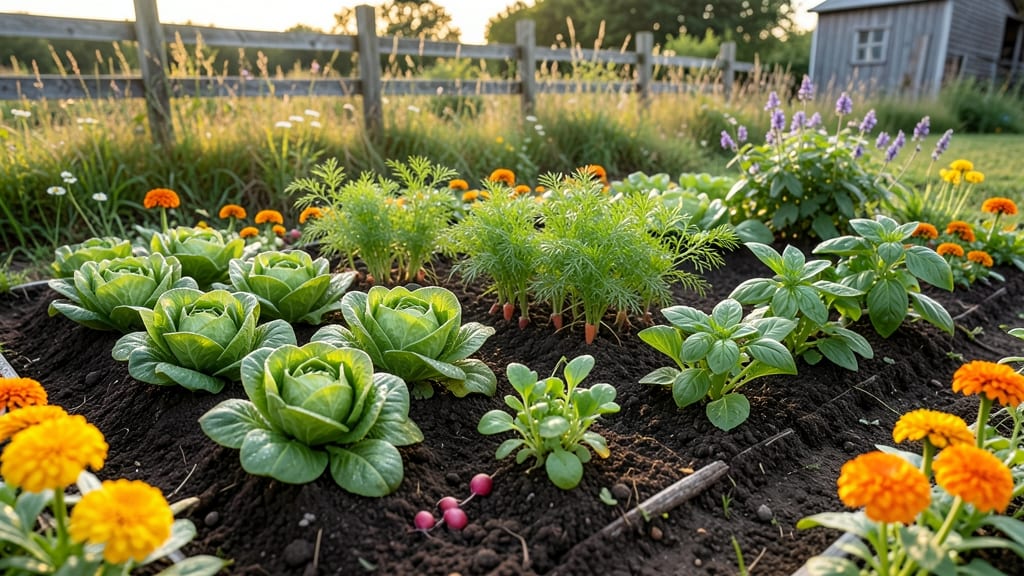
A gardening plot is a thoughtfully designed space for growing plants that maximizes sunlight, soil quality, and available area. In small yards, rectangular layouts, raised beds, or vertical setups work best to boost productivity and ease of care.
A gardening plot transforms even limited outdoor space into a productive growing area. 🌱 The right design can turn a 4'x8' section into a high-yield vegetable garden or a fragrant herb haven.
For example, raised beds improve drainage while vertical gardens free up ground space for other uses. I've seen square-foot layouts cut water usage by 30% by grouping plants with similar needs together.
Your plot's success hinges on three key factors: sunlight patterns (at least 6 hours daily for most plants), soil composition (loamy with good drainage), and microclimates (sheltered spots stay warmer). 💫 For small spaces, consider dwarf varieties or container-friendly plants that thrive in tight quarters.
The beauty of a well-planned plot is how it adapts to your yard's unique conditions rather than fighting against them.
💡 In This Article
- Key Factors for Planning an Efficient Garden Plot
- Space-Saving Garden Plot Designs for Small Yards
Key factors for planning an efficient garden plot
Sunlight exposure is the single most critical factor in plot design, as most vegetables and herbs require 6-8 hours of direct sunlight daily. Here's how to assess it: Observe your yard during the longest day of the year (around summer solstice) and mark the sun's path.
A 4-foot-tall stake cast shadows that can reveal how sunlight shifts throughout the day. For example, southern-facing plots in the Northern Hemisphere receive consistent morning sun, while western exposures get intense afternoon heat that can stress leafy greens.
Soil composition determines what you can grow and how well. Test your soil's pH (ideal range: 6.0-7.0 for most vegetables) and texture using a simple jar test—fill a jar with soil and water, then observe how quickly layers separate.
Sandy soil drains too fast (water runs through in 10 minutes), while clay holds too much moisture (water remains cloudy after 2 hours).
Amending with 2-3 inches of compost improves both drainage and nutrient retention, creating the perfect loamy texture that holds moisture like a sponge while allowing roots to breathe.
Drainage needs vary by plant type. Root vegetables like carrots and potatoes require well-draining soil to prevent rot, while leafy greens tolerate slightly more moisture. In low-lying areas, consider raised beds with gravel or sand layers at the bottom to create a drainage reservoir.
Microclimates—small areas with unique conditions—can dramatically affect plant success. For instance, a spot near a brick wall stays 5-10°F warmer than open ground, perfect for heat-loving tomatoes but too hot for lettuce. Use these variations to your advantage by placing cold-hardy plants in sheltered corners.
The shape of your plot impacts accessibility and yield. Rectangular plots with 4-foot-wide paths allow easy wheelbarrow access, while square-foot gardening divides space into 1-foot squares for precise planting ratios. For example, a 4'x8' plot can accommodate 32 square-foot sections, each optimized for different plant types.
Consider the "rule of thirds" when arranging plants: place tall varieties (like sunflowers) in the back third, medium-height plants (tomatoes) in the middle, and low-growing crops (lettuce) in the front to maximize sunlight exposure for all layers.
Plant spacing is often underestimated but crucial for yield. Crowding plants reduces airflow, increasing disease risk and competing for nutrients. Check seed packets for recommended spacing—typically 12-24 inches apart for vegetables—but adjust based on your plants' mature size.
For instance, bush beans need 4 inches of space, while pumpkins require 3-5 feet in all directions. A well-planned plot might interleave fast-growing crops (radishes in 30 days) with slow growers (squash in 70 days) to keep the space productive year-round.
Don't overlook the practical aspects of plot design. Install a drip irrigation system along plot edges to deliver water directly to roots without wetting leaves (reducing disease risk). Add a 1-inch layer of mulch (straw or wood chips) to retain moisture and suppress weeds.
For small yards, consider a portable plot on casters that can be moved to follow the sun's path throughout the season. These thoughtful details transform a simple patch of ground into a high-performing, low-maintenance garden ecosystem. 🌿