
Planting
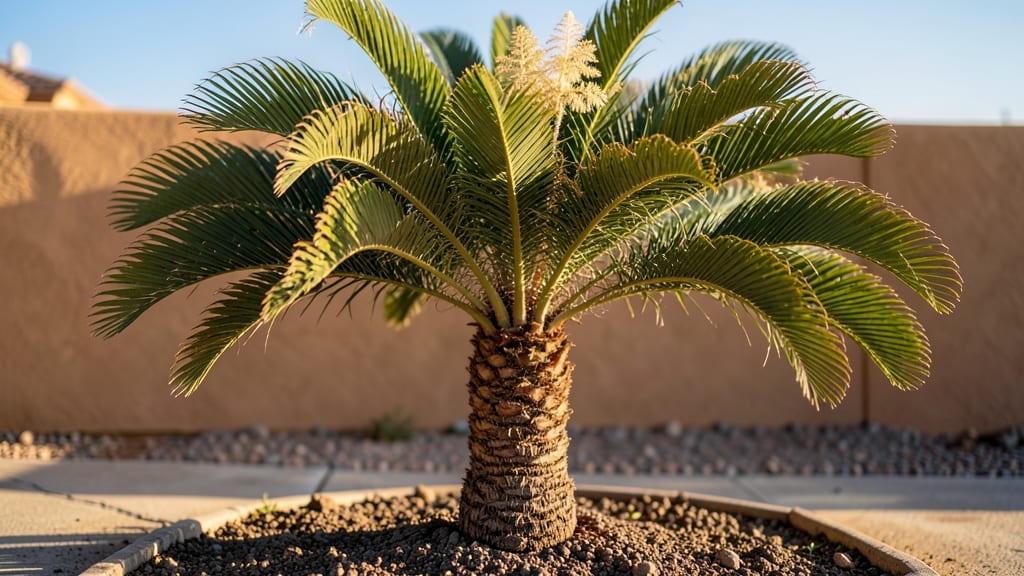
Phoenix gardening thrives in USDA Hardiness Zone 10a, where frost-free periods typically run from mid-November to mid-March, though desert microclimates can push growing seasons even longer. Tropical plants flourish year-round, while frost-sensitive species need seasonal protection.
Phoenix's desert climate creates unique growing conditions that let you grow tropical plants like bougainvillea and citrus trees without worry.
The key is understanding how Zone 10a's mild winters (with average lows between 30–35°F) interact with your garden's specific location—urban areas may experience slightly cooler pockets than desert outskirts. 🌵 For example, while palm trees naturally thrive here, tender perennials like hibiscus might need winter wraps or temporary shade during rare cold snaps below 28°F.
What sets Phoenix apart is how microclimates can shift frost dates by weeks. For instance, the Sonoran Desert's heat islands often stay frost-free until January, while higher elevations near the White Tank Mountains may see early cold snaps.
Smart gardeners use local frost alerts (like the National Weather Service's Phoenix station) and tools like soil thermometers to time plantings precisely—especially for warm-season crops like tomatoes and peppers.
💡 In This Article
- Phoenix USDA Hardiness Zone 10a: Temperature Ranges and Plant Adaptations
- Extending Phoenix’s Growing Season: Frost-Free Timeline and Smart Gardening Strategies
Phoenix USDA hardiness Zone 10a: temperature ranges and plant adaptations
Phoenix's placement in USDA Zone 10a means its average annual minimum temperatures hover between 30-35°F, creating a unique desert climate where tropical plants flourish year-round.
The key mechanism here is how the Sonoran Desert's intense daytime heat (often exceeding 110°F in summer) rapidly radiates at night, creating these mild winter conditions.
This temperature range explains why plants like citrus trees and bougainvillea thrive naturally, while frost-sensitive tropicals like hibiscus may need temporary protection during rare cold snaps below 28°F. 🌵
The real magic happens in how plants adapt to this zone's 100+ degree daily temperature swings. Native desert species like palm trees and mesquite have evolved drought-resistant root systems that store water while their waxy leaves minimize moisture loss.
Meanwhile, non-native tropicals rely on Phoenix's frost-free winters to avoid the dormancy periods they'd experience in colder zones. For example, avocado trees (Zone 10b-11) can survive Phoenix winters but may show leaf scorch if exposed to prolonged 25°F temperatures.
Understanding frost sensitivity thresholds is crucial for gardeners. Most tropical plants begin showing damage at 28°F, with critical injury occurring below 25°F. This is why Phoenix gardeners monitor National Weather Service alerts closely during winter months.
The city's urban heat island effect can actually protect downtown areas from frost, while desert outskirts may experience 5-10°F colder nighttime temperatures. This microclimate variation explains why some gardeners in Scottsdale can grow banana trees outdoors year-round while those in Wickenburg need to winterize them.
Heat tolerance becomes equally important in summer. Phoenix's Zone 10a classification means plants must handle 100°F+ soil temperatures during peak summer months. Succulents like agave and prickly pear naturally thrive here, while moisture-loving plants need drip irrigation systems to prevent root stress.
The key adaptation for summer gardening is choosing plants with deep root systems that can access water from Phoenix's 6-12 inches of annual rainfall—a far cry from the 30+ inches needed by temperate-zone perennials.
What most gardeners don't realize is how Phoenix's elevation variations create distinct growing zones within the metro area. The Airport Mesa region sits at 1,300 feet, while South Mountain reaches 2,500 feet—a difference that can shift frost dates by 2-3 weeks.
This elevation gradient explains why coffee plants (Zone 10b) can grow in Paradise Valley but require container culture in Glendale during winter. The solution? Use localized planting guides that account for these microclimates rather than relying solely on the city's overall Zone 10a classification.
For practical application, consider these plant categories that thrive in Phoenix's Zone 10a conditions:
- Native desert plants: Palo Verde, Desert Willow (both handle 115°F+ days and 30°F nights)
- Tropical perennials: Hibiscus, Plumeria (need winter protection below 28°F)
- Heat-tolerant vegetables: Okra, Sweet Potatoes (thrive in 100°F+ soil)
- Cold-hardy citrus: Satsuma Mandarins (survive 20°F with proper care)
The takeaway? Phoenix's Zone 10a climate rewards gardeners who understand these temperature thresholds and microclimate variations. With the right plant selections and seasonal adjustments, you can create a year-round tropical oasis that most temperate-zone gardeners can only dream of. 🌿