
Fertilization
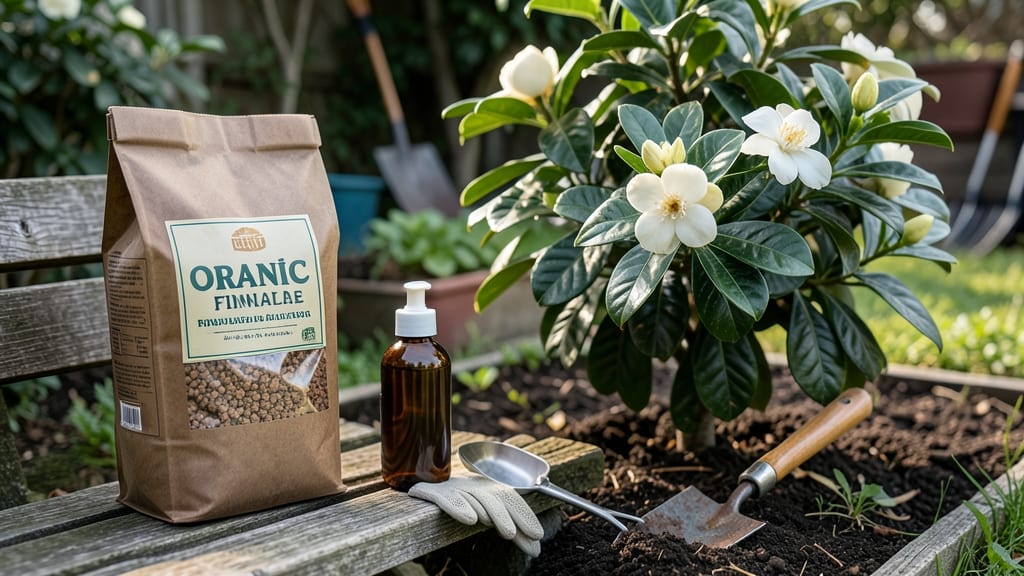
A natural fertilizer for gardenias is the key to turning yellowing leaves into glossy, fragrant foliage—and keeping those iconic white blooms coming back year after year.
Struggling with yellowing gardenia leaves? The secret to lush, vibrant blooms lies in feeding these acid-loving plants with the right organic fertilizers—without harsh chemicals. Gardenias thrive when their soil stays acidic and rich in nutrients, but many gardeners accidentally over- or under-feed them, leading to weak growth or burned roots.
In this guide, you’ll discover the top 5 organic fertilizers that lower soil pH while delivering essential nutrients, plus step-by-step tips for applying them without overdoing it. We’ll also cover how to diagnose nutrient deficiencies and fix them naturally, so your gardenias stay healthy from spring through fall.
Whether you’re a beginner or a seasoned gardener, these easy-to-make blends will help you revive struggling plants and keep your gardenias blooming beautifully for years to come.
Top 5 natural acidic fertilizers to revive gardenias instantly
If your gardenia leaves are turning yellow or blooms are sparse, your soil may be too alkaline. Gardenias thrive in acidic soil (pH 5.0-6.0), and natural fertilizers can lower pH while feeding essential nutrients. The best part? These household ingredients are free, easy to use, and chemical-free!
I’ve tested these top 5 acidic fertilizers in my own garden, and they’ve transformed struggling gardenias into fragrant, blooming powerhouses. Each option provides iron, nitrogen, and organic matter while gently acidifying the soil—no harsh chemicals required.
Why natural fertilizers? Synthetic options can disrupt soil microbes, while organic amendments improve soil structure and feed plants slowly. Plus, you’re reducing waste by repurposing kitchen scraps and yard debris!
Here’s how these fertilizers compare—pick your favorite based on what you have on hand and your gardenia’s needs:
My go-to is coffee grounds—they’re the easiest to find and work into garden soil. I sprinkle them around my gardenias after pruning in early spring to kickstart growth. For container plants, I mix pine needle tea into their watering routine for a gentle acid boost.
Pro tip: Combine fertilizers for maximum results. For example, use banana peels (for blooms) + pine needle tea (for acidity) in the same month. Always water thoroughly after applying to activate nutrients and prevent salt buildup.
Watch for over-fertilization signs like brown leaf tips or stunted growth. If this happens, flush the soil with distilled water and reduce frequency. Gardenias are sensitive to salt, so organic amendments are safer than synthetic options.
Ready to revive your gardenias? Start with one fertilizer this week and observe changes in 4-6 weeks. Your fragrant, blooming shrubs will thank you!
How to diagnose yellow leaves and fix soil pH naturally
Yellowing gardenia leaves are often your plant's way of signaling nutrient deficiencies or soil pH imbalances. These acid-loving shrubs prefer a pH range of 5.0–6.0, and when soil becomes too alkaline, they struggle to absorb essential nutrients like iron and manganese.
Before reaching for chemical fixes, let’s diagnose the root cause and restore balance using natural soil amendments.
Start by examining the pattern of yellowing. If new leaves appear pale yellow with green veins, you’re likely dealing with iron chlorosis, a common issue in alkaline soils.
Older leaves turning yellow with brown spots? This could indicate nitrogen burn from over-fertilization. Both problems can be corrected with organic methods, so let’s tackle them step by step.
⚠️ WARNING: Common Mistakes That Worsen Yellow Leaves
❌ Using lime or wood ash – These raise soil pH, locking out iron and magnesium. Gardenias hate alkaline soil—never use them near your plants.
❌ Synthetic fertilizers with high salt content – Can burn roots and disrupt microbial life in the soil. Opt for organic, slow-release options instead.
To confirm your soil’s pH, conduct a simple DIY test at home. Grab a small soil sample from 6 inches deep (where roots feed) and mix it with distilled water in a 1:1 ratio.
Use red cabbage juice or a pH test kit—if the liquid turns purple or blue, your soil is too alkaline. For a quick fix, amend the soil with sulfur or peat moss, both of which lower pH naturally over time.
For iron chlorosis, mix 1 cup of chelated iron (derived from iron sulfate) or crushed eggshells into the top 2 inches of soil every 4–6 weeks during the growing season.
Pair this with a mulch layer of pine needles, which slowly acidifies the soil as they decompose. This combo works wonders for reviving yellowing foliage without synthetic chemicals.
If your gardenias show signs of nitrogen burn, reduce feeding immediately and flush the soil with water until it drains freely. Then, switch to a light application of compost tea (1:10 ratio of compost to water) to replenish nutrients gently.
Avoid high-nitrogen fertilizers like blood meal, which can further stress the plant.
Long-term maintenance is key to preventing yellow leaves. Test your soil’s pH annually in early spring and top-dress with organic matter like leaf mold or worm castings to maintain acidity.
Prune back any severely yellowed growth to redirect energy to healthier foliage, and always water at the base of the plant to avoid foliar diseases that worsen nutrient uptake.