
Planting
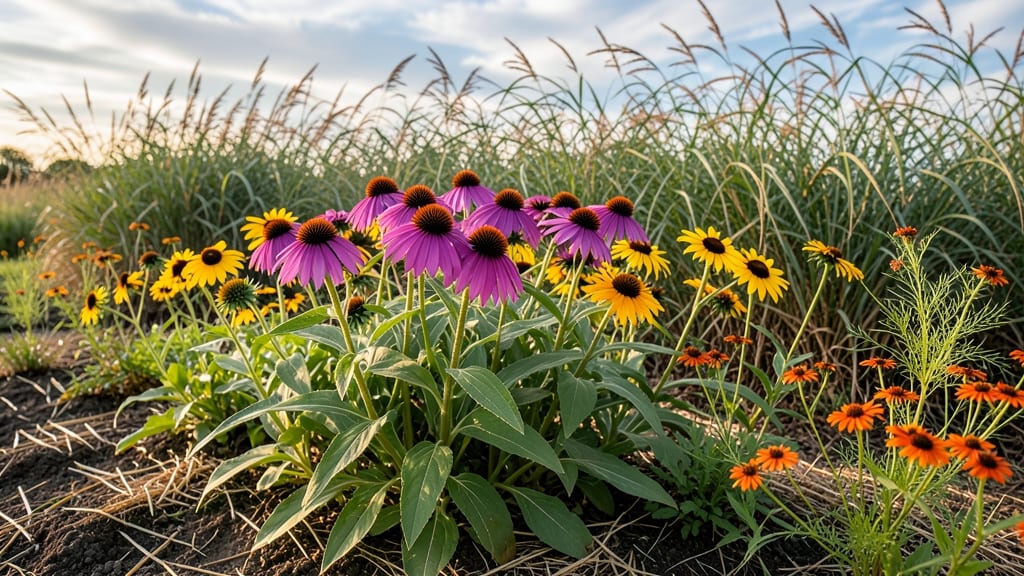
Understanding Kansas gardening zones means focusing on USDA Hardiness Zones 5b through 7a, where most of the state falls in Zone 6. These zones determine your frost-free period and ideal planting windows, so checking the USDA map for your exact location is crucial. Microclimates like urban areas or windbreaks can also shift your effective growing zone.
Kansas' gardening zones directly impact what plants thrive in your yard and when you should plant them. 🌱 For example, Zone 6 (covering much of central Kansas) typically has average last spring frost dates between April 15-30 and first fall frost dates around October 15-30, but these can vary by 2-3 weeks depending on elevation and local weather patterns.
This means cool-season crops like broccoli or spinach can often be planted as early as mid-March in southern Kansas, while northern areas may need to wait until late April.
What's interesting is how these zones influence plant selection. Zone 5b gardeners should focus on cold-hardy perennials like coneflowers or Russian sage, while Zone 7a areas can support more tender species like bougainvillea or citrus trees.
The USDA map provides a great starting point, but I always recommend testing your microclimate by observing when nearby plants bloom or when frost actually occurs in your specific yard.
💡 In This Article
- How Kansas’ USDA Zones Affect Plant Selection
- Kansas Planting Calendar by Month for Zones 5b-7a
How Kansas’ USDA zones affect plant selection
The USDA Hardiness Zones in Kansas create distinct growing conditions that determine which plants will thrive in your garden.
Zone 5b's colder winters (average annual minimum temperatures of -15°F to -10°F) mean gardeners must choose cold-hardy perennials like black-eyed Susans or daylilies, while Zone 7a's milder winters (10°F to 15°F) allow for more tender species like oleander or jasmine.
These temperature differences create a 10-15 day variation in frost-free periods between northern and southern Kansas.
The frost dates are particularly critical because they dictate planting windows. In Zone 6 (covering much of central Kansas), the average last spring frost occurs around April 15, while the first fall frost typically arrives by October 15.
This gives gardeners a 180-day growing season, but Zone 5b areas might have only 160 days due to earlier frosts.
These variations explain why cool-season crops like kale or lettuce can be planted in early spring or late summer in Zone 7a, while Zone 5b gardeners should wait until after the last frost or opt for cold-tolerant varieties.
What most gardeners don't realize is how these zones affect plant survival mechanisms.
For example, deciduous trees like maples can handle Zone 5b's colder winters because they drop their leaves and enter dormancy, while evergreens like spruce struggle in Zone 5b but thrive in Zone 7a. The same principle applies to vegetables: broccoli (cold-hardy down to 20°F) grows well in all Kansas zones, while tomatoes (sensitive to frost) require careful timing in Zone 5b but have more flexibility in Zone 7a.
Microclimates add another layer of complexity. A south-facing wall can create a Zone 7 microclimate in an otherwise Zone 5b area, allowing gardeners to grow plants one zone harder than their official zone. Conversely, windy areas or low spots can mimic colder conditions.
This is why I always recommend testing your microclimate by observing when nearby plants bloom or when frost actually occurs in your yard—it's more accurate than relying solely on the USDA map.
Here's what this means for your plant selection strategy: Start by identifying your zone, then adjust for microclimates. For instance, in Zone 6, you might successfully grow hydrangeas (Zone 4-9) in sheltered spots but should protect camellias (Zone 7-9) with winter mulch.
The key is understanding each plant's cold tolerance rating and matching it to your local conditions.
For vegetables, focus on varieties bred for your zone. In Zone 5b, choose early-maturing tomato varieties like 'Stupice' that can ripen before fall frosts, while Zone 7a gardeners can experiment with longer-season varieties like 'Brandywine'.
This zone-based approach maximizes your gardening success by working with nature's temperature patterns rather than against them.