
Advice
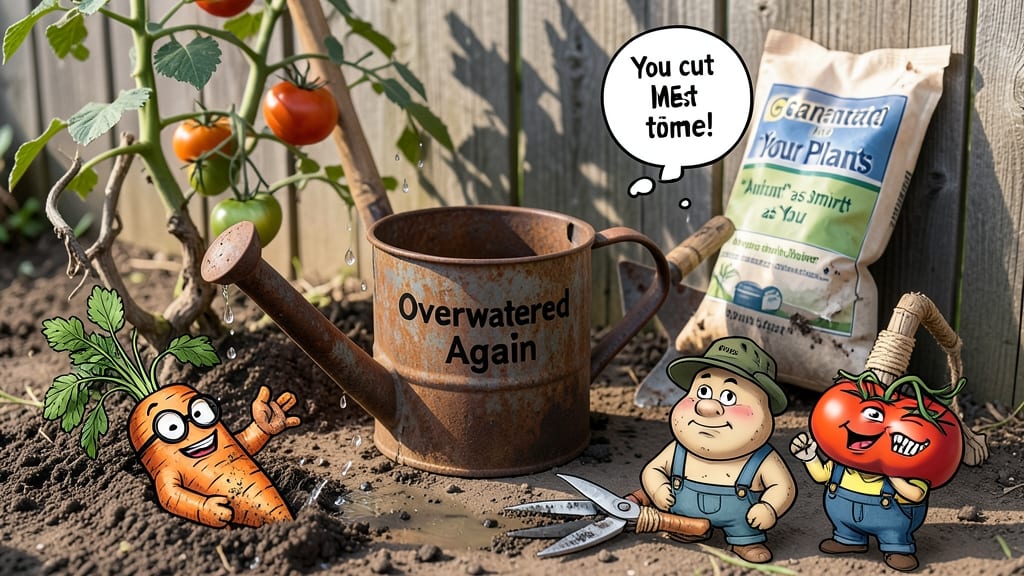
Gardeners adore jokes about dirt, weeds, and overgrown humor—like why their green thumbs never turn brown. These clever puns and plant-themed jokes highlight the daily struggles and triumphs of growing, from battling pests to celebrating first blooms, all with the resilience of a hardy perennial.
Garden humor thrives because it mirrors real-life growing experiences—think of the universal frustration of weeds outcompeting your prized plants or the joy of watching seedlings break through soil for the first time. 🌱 The best jokes often reference gardening tools (like shovels that "dig" into conversations) or the infamous "brown thumb" trope, which gardeners embrace with good-natured humor.
What makes these jokes special is how they turn everyday struggles—like dealing with slugs or inconsistent weather—into relatable, laugh-out-loud moments that bond gardening communities.
These puns aren't just for laughs; they're a way to celebrate the shared passion for nurturing life. Whether you're pulling weeds with friends or sharing tips at a seed swap, a well-timed gardening joke can turn a tough day into a memorable one.
The humor reflects the patience, persistence, and occasional chaos that comes with tending a garden—making it a perfect fit for anyone who's ever wrestled with a stubborn vine or waited for a seed to sprout.
💡 In This Article
- Why Gardeners Make the Best Pun Lovers
- 50 Best Garden-Themed Jokes to Share with Fellow Growers
Why gardeners make the best pun lovers
Gardening humor thrives because it taps into the universal language of growers—where every weed pulled or seed planted becomes part of the joke. The "green thumb" trope, for example, plays on the literal skill of nurturing plants while also referencing the gardener's identity.
Studies show that self-deprecating humor (like "brown thumb" jokes) helps gardeners bond over shared frustrations, creating a sense of community. This wordplay works because gardening itself is full of dualities: patience vs. instant gratification, control vs. nature's unpredictability.
Puns about dirt, worms, and composting resonate because they reflect real gardening tasks. Take the classic "I told my tomato plant it was looking saucy—now it's ketchup with itself!" This joke combines food puns with plant care, making it relatable for both casual gardeners and seasoned growers.
The humor often centers on gardening tools too—like calling a trowel a "plant whisperer" or joking that pruners are for "cutting to the chase." These references create inside jokes that only fellow gardeners truly appreciate.
Psychologically, gardening humor serves as a coping mechanism. When dealing with pests, weather, or failed crops, a good joke can turn stress into laughter. Research on gardening communities shows that humor reduces anxiety about plant health and fosters collaboration.
The best jokes often involve wordplay that mirrors gardening processes—like "I tried to grow a sunflower, but it just bloomed into my expectations!" This type of humor celebrates the imperfect, messy reality of growing things, which is why it feels so authentic to gardeners.
Another reason gardening jokes work so well is their adaptability. You can use them in various settings—whether at a garden club meeting, during a seed swap, or while struggling with a stubborn weed.
For example, telling a group of growers that "my garden is so overgrown, I need a weed vacation" gets laughs while acknowledging the shared struggle. The humor also bridges generations, from classic "dad jokes" like "Why did the scarecrow win an award?
Because he was outstanding in his field!" to more modern puns about hydroponics or heirloom varieties.
What makes these jokes particularly effective is their ability to turn gardening's challenges into something positive. Consider the joke: "I planted a garden and all I got were these invasive thoughts!" This plays on the real frustration of dealing with invasive species while keeping the tone lighthearted.
The humor reflects gardening's dual nature—it's both a science and an art, requiring both precision and creativity. When you share these jokes, you're not just making people laugh; you're celebrating the shared passion for growing things, no matter how many times your tomatoes decide to go saucy on you.