
Pests
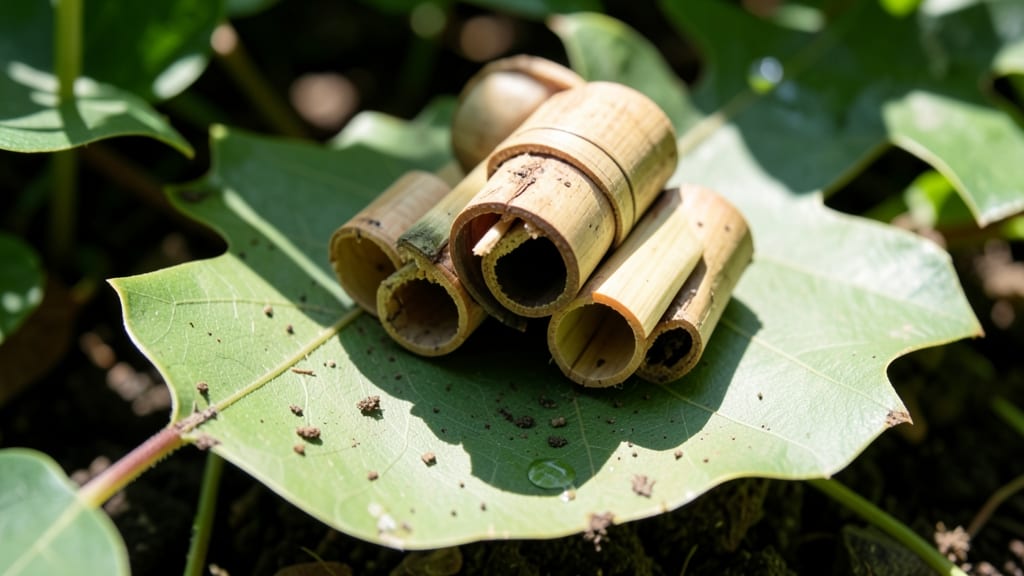
Creating an insect hotel garden is one of the easiest ways to turn your yard into a buzzing hub for bees, butterflies, and other pollinators 🐝.
Did you know a single insect hotel can attract over 100 species of pollinators—transforming your garden into a thriving ecosystem? These simple yet powerful structures are the unsung heroes of sustainable gardening, offering shelter and nesting spots that many native plants alone can’t provide.
If you’ve ever watched bees flit from flower to flower in your garden, only to vanish by midday, you’ll know how critical their habitats are.
An insect hotel doesn’t just support pollinators—it helps boost biodiversity, reduces the need for chemical pesticides, and even improves your garden’s overall health by keeping ecosystems balanced.
Below, I’ll walk you through everything you need to know: from choosing the right materials and designing your hotel to placement tips that ensure your tiny guests stick around year-round.
Whether you’re a beginner or a seasoned gardener, this is a project that pays off in big ways for both your plants and the planet.
How to build an effective insect hotel for your garden
Creating an insect hotel in your garden is one of the most rewarding ways to support pollinators and beneficial insects. These tiny ecosystems provide shelter, nesting sites, and food sources for bees, butterflies, ladybugs, and other helpful critters.
The best part? You don’t need advanced skills—just a few natural materials and a little creativity to build one that thrives.
Whether you’re a beginner or a seasoned gardener, an insect hotel can be as simple as stacking bamboo canes or as elaborate as a multi-chamber wooden structure. The key is to mimic the natural habitats these insects rely on, ensuring they have safe spaces to overwinter, breed, and forage.
Let’s dive into the step-by-step process to build yours today!
Step-by-Step Guide to Building Your Insect Hotel
-
Step 1: Choose a Location
Select a shady, sheltered spot near your garden beds. Avoid direct sunlight to prevent overheating and ensure moisture retention. A spot near native plants will attract more visitors!
-
Step 2: Gather Materials
Collect natural, untreated materials like:
- Bamboo canes (cut to 6-12 inches)
- Hollow stems (from plants like elderberry or raspberry)
- Pinecones (for solitary bees)
- Dried grasses (for leafcutter bees)
- Untreated wood (for structural support)
-
Step 3: Build the Frame
Construct a wooden frame using untreated lumber or repurposed materials. Keep it 2-3 feet tall and wide enough to accommodate multiple chambers. Drill small holes (3-8mm) for nesting tubes if using solid wood.
-
Step 4: Add Nesting Chambers
Fill the frame with layers of materials tailored to different insects:
- Bottom layer: Untreated wood shavings or bark for moisture control.
- Middle layers: Hollow stems, bamboo canes, and pinecones for nesting.
- Top layer: Dried grasses or leaves for insulation.
-
Step 5: Include Moisture Control
Add a small water reservoir at the base (like a shallow dish with pebbles) to provide hydration. Ensure it’s elevated slightly to prevent flooding. Some insects, like mason bees, need water for nest construction!
-
Step 6: Secure and Decorate
Use untreated twine or screws to secure materials in place. Add a roof or overhang to shield from rain. Personalize it with paint-free decorations like smooth stones or dried flowers for aesthetic appeal.
-
Step 7: Place and Monitor
Position your insect hotel near flowering plants for easy access to food. Check it seasonally to ensure materials aren’t rotting or collapsing. Remove any debris but leave nests undisturbed until spring!
Pro Tip: Avoid using treated wood or chemicals, as they can harm insects and disrupt their natural behaviors.
For a wooden insect hotel, focus on creating compartments with varying depths. Mason bees prefer 3-5mm diameter tubes, while leafcutter bees thrive in bundles of hollow stems. If you’re using bamboo, split the canes lengthwise to create smaller nesting spaces.
Stone-based insect hotels are another fantastic option, especially in dry climates. Stack flat stones or use cavities in rocks to create crevices where solitary bees and lacewings can nest. These structures also blend seamlessly into rock gardens or natural landscapes.
Remember, the placement of your insect hotel is just as important as its construction. Position it in a quiet corner of your garden, away from high-traffic areas where pets or children might disturb it.
A spot near clusters of native wildflowers will maximize its effectiveness by providing a steady food source for visiting insects.
Once your insect hotel is complete, sit back and watch as your garden becomes a buzzing hub of activity! Within weeks, you’ll likely see bees, butterflies, and other pollinators making it their home.
This simple act of gardening not only supports local ecosystems but also enhances your garden’s productivity by boosting pollination rates.
If you’re feeling adventurous, experiment with different design variations each year. Try adding a small water feature nearby or incorporating deadwood sections for beetles. The more diverse your insect hotel, the more species it will attract—turning your garden into a true pollinator paradise! 🐝🌿
Best natural materials for eco-friendly insect hotels
Creating an insect hotel doesn't require expensive materials—nature provides everything you need! Using sustainable, locally-sourced materials not only benefits pollinators but also supports ecosystem health. The key is selecting materials that cater to different insect species while keeping your garden's natural balance intact.
From bamboo stalks to dried grasses, each material serves a unique purpose. For example, hollow reeds attract solitary bees, while pinecones provide shelter for ladybugs and lacewings.
The best part? You can often find these materials for free in your own backyard or local woodlands, making this project both budget-friendly and eco-conscious.
| Material | Best For | Sourcing Tips | Prep Method |
|---|---|---|---|
| Bamboo stalks | Bees, wasps, beetles | Dead stalks from gardens or local nurseries | Cut into 6-inch sections, remove inner nodes |
| Pinecones | Ladybugs, lacewings, spiders | Collect fallen cones from pine trees | Leave intact or drill small holes |
| Hollow reeds | Solitary bees, mason bees | Wetland areas or pond edges | Bundle 3-4 together, secure with twine |
| Dried grasses | Butterflies, moths, small beetles | Roadside ditches or meadows | Tie into small bundles, leave loose |
| Untreated wood blocks | Wood-boring beetles, spiders | Fallen branches or pallet wood | Drill holes 2-5mm diameter, 5-10cm deep |
When sourcing materials, always prioritize dead or fallen items to avoid harming living plants. For instance, bamboo stalks should come from plants that have already died back naturally. This ensures you're not disrupting local ecosystems while still providing valuable nesting sites.
If you're unsure about a material, a quick online search can help identify whether it's safe for pollinators.
Assembling your insect hotel is simpler than you might think. Start by creating separate compartments for different materials—this prevents overcrowding and allows insects to choose their preferred nesting spots.
For example, place hollow reeds in one section and pinecones in another. Use untreated wood or straw as dividers to keep everything organized while maintaining a natural look.
Don’t forget to include a moisture barrier, like a layer of gravel or sand, at the bottom of your insect hotel. This prevents water from pooling and keeps the structure dry, which is crucial for the health of your tiny guests.
Once assembled, place your insect hotel in a shady spot near your garden—this protects it from extreme heat while keeping it easily accessible to pollinators.
With the right materials and a little creativity, your insect hotel will become a bustling hub of activity, attracting bees, butterflies, and beneficial bugs that will transform your garden into a thriving, pollinator-friendly paradise. 🐝🌿