
Tools
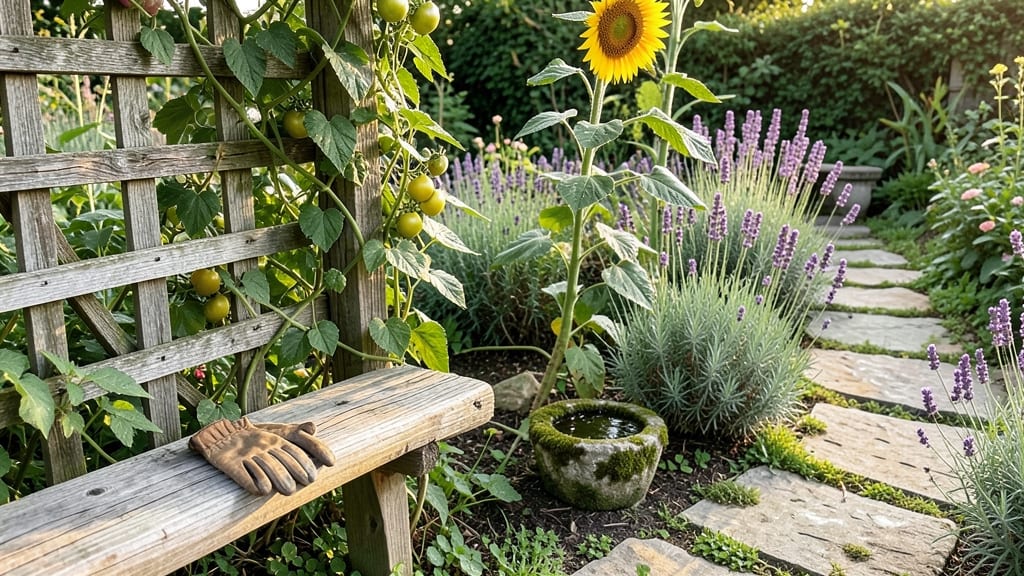
The importance of gardens extends far beyond aesthetics, as they significantly enhance mental well-being by lowering stress, provide fresh produce for physical health, and create vital habitats for pollinators and wildlife. These benefits make gardens indispensable for both personal wellness and environmental sustainability.
Gardens serve as natural stress relievers by engaging our senses—touching soil, smelling flowers, and watching plants grow all trigger relaxation responses in the brain. 🌿 Studies show that just 30 minutes of gardening can reduce cortisol levels by up to 37%, making it a powerful therapy for anxiety and depression.
Beyond mental health, tending a garden also gives you access to nutrient-rich vegetables, often more flavorful and nutritious than store-bought options, while the physical activity involved improves cardiovascular health and mobility.
What makes gardens truly transformative is their ability to restore ecosystems. A single well-maintained garden can support hundreds of pollinator species, from bees to butterflies, while also filtering rainwater and reducing urban heat through shade.
In communities, shared gardens foster social connections and food security, proving that even small green spaces can drive meaningful change. The science is clear: gardens aren't just decorative—they're living systems that heal people and the planet.
💡 In This Article
- Science-Backed Health Benefits of Gardening
- Ecological and Community Impact of Home Gardens
Science-backed health benefits of gardening
Gardening triggers a cascade of physiological responses that directly improve mental health. When you dig in the soil, your hands interact with mycorrhizal fungi—beneficial microbes that produce compounds like N-acetylglucosamine, which activates serotonin and dopamine pathways in the brain.
This explains why studies from the University of Florida found gardening reduces cortisol (the stress hormone) by 24-37% in just 30 minutes, comparable to meditation.
The rhythmic, repetitive motions of planting or pruning also induce a theta brainwave state, similar to what occurs during deep relaxation or light sleep.
The physical benefits go beyond stress relief. Tending a garden requires moderate-intensity movement—equivalent to walking 1-2 miles per hour—which strengthens muscles, improves circulation, and can lower blood pressure.
Research published in the Journal of Health Psychology showed that gardeners had 40% lower risk of hypertension than non-gardeners, likely due to the combination of fresh air exposure and light exercise.
For those recovering from injuries or surgeries, the controlled movements of gardening (like raking or watering) serve as physical therapy, helping rebuild strength and coordination without the strain of structured workouts.
One of the most fascinating aspects is how gardening enhances mindfulness. The act of nurturing plants forces you to stay present—observing growth cycles, troubleshooting pests, and celebrating small victories like the first tomato or a blooming flower.
This focused attention reduces rumination, a key factor in anxiety and depression. A 2018 study in BMC Psychiatry found that participants who gardened for 12 weeks showed significant improvements in mood and cognitive function, with effects lasting up to 6 months after the intervention ended.
The sensory engagement—smelling herbs like basil or lavender, feeling the texture of leaves, tasting fresh produce—creates a multi-sensory experience that grounds you in the moment.
For children and seniors, gardens offer unique advantages. Kids who garden develop better fine motor skills and learn patience through delayed gratification (waiting for seeds to sprout). Meanwhile, seniors benefit from the cognitive stimulation of planning layouts or remembering planting schedules, which can delay age-related cognitive decline.
The National Institute of Environmental Health Sciences highlights that gardening can improve hand grip strength by 15% in older adults, reducing the risk of osteoporosis-related fractures. Even the act of harvesting your own food creates a sense of accomplishment and connection to nature, which psychologists link to increased life satisfaction.
What most people overlook is how gardening impacts sleep quality. Exposure to sunlight while working outdoors regulates your body’s circadian rhythm, helping you fall asleep faster and sleep deeper.
A 2020 study in Preventive Medicine Reports found that individuals who gardened 4+ hours per week reported 20% better sleep quality than non-gardeners, likely due to reduced stress and increased vitamin D from sunlight.
The fresh air also reduces indoor allergens like dust mites, creating a healthier breathing environment. Even urban gardeners in small spaces—like balcony herb gardens—experience these benefits, proving that access to green spaces isn’t limited to rural areas.
To maximize these benefits, start small: dedicate just 15 minutes daily to tending your garden, whether it’s watering plants, pulling weeds, or harvesting. Combine it with mindful breathing—inhale deeply while smelling flowers, exhale slowly while pulling weeds—to amplify the relaxation response.
For those with limited mobility, container gardening with herbs or leafy greens is an accessible entry point. The key is consistency; even 10 minutes of daily gardening can yield measurable improvements in mood and physical health over time. 🌱