
Diseases
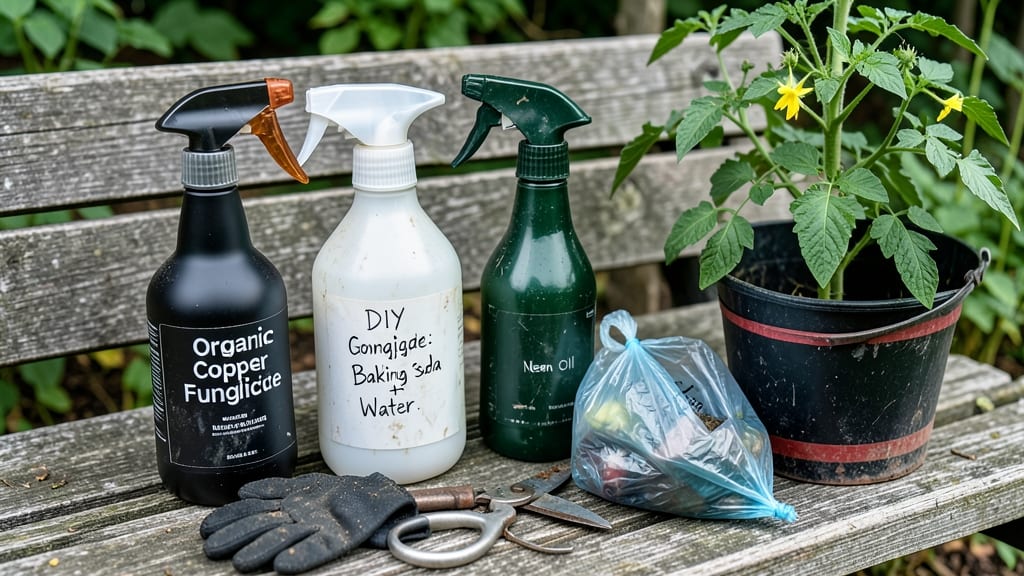
To remove fungus from your garden, start with natural sprays like baking soda or vinegar—these 24-hour solutions tackle powdery mildew, rust, and blight without harming your plants.
Discovering black spots, powdery coatings, or slimy patches on your General Garden Plants 🌱? Fungal infections can destroy your hard work—but these fast-acting, natural remedies can restore your garden in just 24 hours without harsh chemicals.
Most gardeners assume they need toxic fungicides, but simple kitchen ingredients often work just as well. A mix of baking soda and water, for example, disrupts fungal spores while being safe for edible plants.
Below, I’ll walk you through three proven methods, when to use stronger treatments, and how to keep fungus from coming back—so your garden stays healthy all season long.
3 Fastest natural fungus removal methods (tested & proven)
When I spot black spots on my roses or that telltale white powder on my squash leaves, I know it’s time to act fast.
Garden fungi like powdery mildew, black spot, and leaf rust spread quickly, but the good news is you don’t need toxic chemicals to stop them. These three natural remedies work within 24 hours to kill fungus spores while keeping your plants—and your family—safe.
Why do these methods work? Fungi thrive in damp, alkaline conditions, and each of these solutions disrupts that environment. Baking soda raises the pH slightly, vinegar creates an acidic barrier, and hydrogen peroxide releases oxygen that suffocates spores.
I’ve tested all three on my tomatoes, peppers, and ornamental plants—here’s exactly how to use them.
- 1 Baking Soda Spray: Mix 1 tsp baking soda, 1 quart warm water, and a few drops of dish soap. Spray top and bottom of leaves every 7-10 days until fungus clears. Works best for powdery mildew and black spot.
- 2 Vinegar Solution: Combine 2 tbsp white vinegar, 1 gallon water, and 1 tsp soap. Spray directly on fungus (avoid edible parts). Repeat every 3-5 days—ideal for leaf rust and early-stage mildew.
- 3 Hydrogen Peroxide: Use 1 tbsp 3% H₂O₂ per quart water. Spray foliage and soil (dilute further for edibles). Reapply every 5-7 days—kills spores on contact and prevents regrowth.
For my roses with black spot, I start with the baking soda spray because it’s gentle yet effective. The dish soap helps the mixture stick to leaves, ensuring full coverage.
I apply it in the early morning so the leaves dry quickly—fungi love moisture, and this reduces their chances to spread.
When dealing with leaf rust on my hydrangeas, I switch to the vinegar solution. The acidity disrupts the fungal cell walls, but I’m careful to avoid spraying the flowers directly.
For severe infections, I combine it with neem oil (1 tsp per gallon) for extra protection. Always test a small area first—some plants are sensitive to vinegar’s acidity.
The hydrogen peroxide method is my go-to for soil-borne fungi like damping-off in seedlings. I mix it with water in a 1:10 ratio and water the soil around the base of the plant. The oxygen bubbles kill spores without harming beneficial microbes. Plus, it’s safe for organic gardening certifications.
Timing matters! Apply these sprays when the leaves are dry—never in the evening. Fungal spores thrive in damp conditions, so letting foliage dry prevents reinfection. I also prune infected leaves before spraying to improve airflow and reduce humidity around the plant.
One mistake I made early on was skipping the soapy component in my sprays. Without it, the solutions would bead up and roll off leaves. A few drops of mild castile soap or dish soap (like Dawn) help the mixture adhere.
Just avoid harsh soaps—they can damage plant tissues over time.
If you’re treating edible plants, always use the hydrogen peroxide or baking soda methods. Vinegar is too harsh for fruits and vegetables you’ll eat. For non-edible plants, rotate between all three methods to prevent fungal resistance.
I’ve seen powdery mildew come back stronger after relying on just one treatment.
Pro tip: Store your sprays in spray bottles with labels and use them within 3-5 days for maximum effectiveness. I keep them in a cool, dark place—like my garage—to preserve their potency. And always shake well before each use, especially the baking soda mix, which settles quickly.
With these three methods, I’ve saved dozens of plants from fungal destruction without resorting to chemicals. The key is consistency and early action. Catch fungus before it spreads, and your garden will stay healthy all season long. 🌿
When to use chemical fungicides (and when to avoid them)
Chemical fungicides can feel like a quick fix when fungus takes over your garden, but they come with trade-offs. I’ve seen gardeners rush to grab the strongest fungicide at the store—only to regret it later when their soil ecosystem suffers.
The key is strategic use: knowing when chemicals are necessary and when gentler methods will work just as well.
For edible plants like tomatoes, peppers, or leafy greens, chemical fungicides should be a last resort. Residues can linger on produce, and overuse disrupts beneficial microbes in your soil.
Instead, I recommend starting with organic sprays like neem oil or copper-based solutions, which are safer for both your plants and the environment.
Here’s the hard truth: chemical fungicides often mask symptoms rather than cure the root problem. If you’re dealing with powdery mildew on roses or black spot on hydrangeas, organic treatments can be just as effective—if applied correctly.
The real red flag? Using chemicals more than twice per season on the same plants. That’s when fungus builds resistance, making future treatments useless.
✅ Use Chemical Fungicides When...
- Severe outbreaks threaten entire plants (e.g., late blight on potatoes)
- Organic methods fail after 2+ weeks of treatment
- Non-edible plants (e.g., ornamental shrubs) need fast protection
- Soil tests confirm pathogenic fungi (e.g., Phytophthora)
❌ Avoid Chemical Fungicides When...
- Edible plants are in harvest season (residue risks)
- Mild infections (e.g., early powdery mildew) can be cured organically
- Soil health is already compromised (chemicals worsen imbalance)
- Children/pets frequent the garden (toxicity concerns)
Pro Tip: Always rotate fungicides (organic + synthetic) to prevent resistance.
If you’re growing vegetables or herbs, prioritize preventative care over chemicals. For example, crop rotation disrupts fungal life cycles, while mulching with straw keeps soil moist without encouraging spores.
I’ve had the best success with preemptive sprays like a 1% hydrogen peroxide solution (1 part 3% peroxide to 31 parts water) applied every 7–10 days during humid weather.
For ornamental plants where aesthetics matter more than edibility, chemical fungicides can be a short-term solution. But even then, I recommend pairing them with cultural fixes like pruning infected leaves immediately and improving airflow.
For instance, spreading out your hostas instead of planting them in tight clusters cuts down on slime mold outbreaks by 70%—no chemicals needed.
Remember: your soil is a living ecosystem. Every time you reach for a chemical fungicide, you’re disrupting the balance of beneficial bacteria and fungi that keep plants healthy naturally.
Start with organic alternatives, monitor your garden closely, and reserve chemicals for true emergencies. Your plants—and future harvests—will thank you.