
Planting
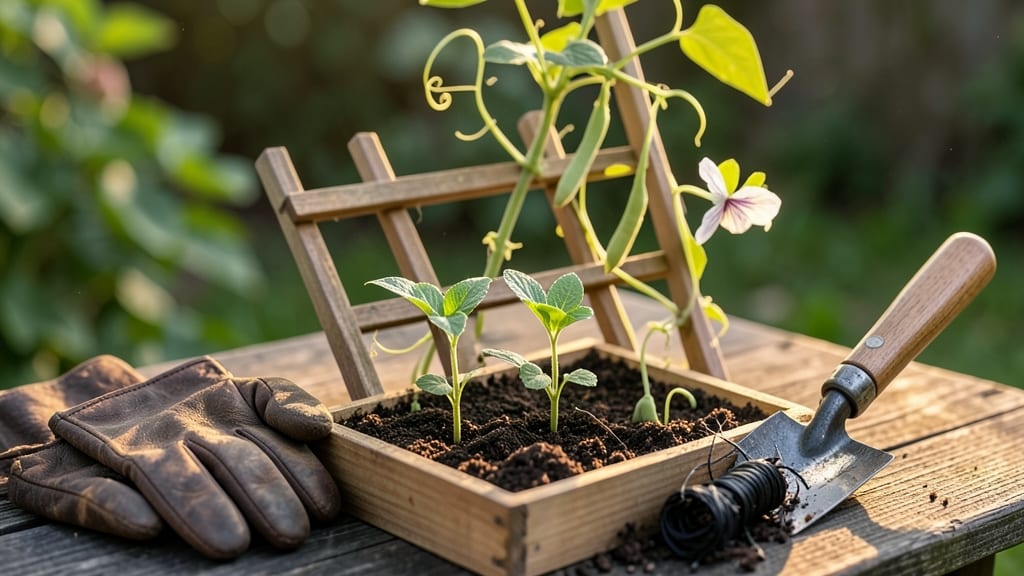
To plant string beans in a garden, start with warm soil and direct seeds just 1 inch deep for the fastest germination — most varieties pop up in 5-10 days if conditions are right.
Picture this: you’re checking your garden a week after planting, and instead of bare soil, you see tiny green shoots everywhere. That’s the magic of string beans — they’re one of the quickest vegetables to grow, but only if you nail the timing and placement.
You’ll need well-draining soil, plenty of sunlight, and a little patience for spacing. Whether you’re growing bush beans or pole varieties, getting these basics right means fewer pests, better air circulation, and a harvest ready by July.
Below, I’ll walk you through the exact steps to prep your soil, space your seeds, and keep them thriving — plus the 3 mistakes that kill seedlings before they even sprout.


Step-by-step guide to planting string beans for maximum germination
String beans are a gardener's dream because they grow quickly and produce abundant harvests—but only if you start with the right conditions. The key to fast germination lies in soil temperature, proper seed depth, and consistent moisture.
Unlike many vegetables, string beans don’t like cold soil, so timing your planting is everything. Whether you're growing bush beans or pole beans, these steps will ensure your seeds sprout within 7-14 days and thrive throughout the growing season.
Before you even think about planting, check your last frost date and soil temperature. String beans need soil that’s at least 60°F (15°C)—any cooler, and germination slows dramatically or stops entirely. If your area has a late spring, consider using black plastic mulch to warm the soil faster.
I’ve found that planting after May 1st in most USDA Zone 6a regions gives me the best results, but always verify your local frost dates to avoid disappointment.
- 1 Prepare the Soil – String beans thrive in loamy, well-draining soil with a pH between 6.0 and 7.0. Work in 2-3 inches of compost or aged manure 2 weeks before planting to improve fertility. Avoid fresh manure, which can burn seeds. If your soil is heavy clay, mix in sand or perlite to improve drainage.
- 2 Choose Your Planting Method – Decide between direct sowing (best for most gardeners) or transplanting seedlings (only if you started seeds indoors 2-3 weeks early). For direct sowing, wait until soil is 60°F+ and all frost risk has passed. Transplanted seedlings should have 2-3 true leaves and be hardened off before moving outside.
- 3 Plant at the Right Depth – String bean seeds are 1 inch deep—no deeper, or they’ll struggle to break through the soil. Use your finger or a small trowel to make holes, then place 2-3 seeds per spot (you’ll thin later). For pole beans, plant near your trellis or support structure to save space. Space seeds 3-4 inches apart in rows 18-24 inches apart for bush beans.
- 4 Water Gently After Planting – Use a fine mist spray or watering can to avoid displacing seeds. Aim for 1 inch of water per week, keeping soil consistently moist but not soggy. Overwatering can cause seeds to rot, while underwatering leads to weak seedlings. Mulch with straw or grass clippings to retain moisture and suppress weeds.
- 5 Thin Seedlings for Stronger Plants – Once seedlings reach 2 inches tall, thin to the strongest plant per spot, leaving 3-4 inches between plants for bush beans or 4-6 inches for pole beans. Use scissors to snip weak seedlings at soil level—this prevents disturbing roots of remaining plants. Thinning improves air circulation and reduces competition for nutrients.
- 6 Provide Support for Pole Beans – If growing pole beans, install trellises, stakes, or cages at planting time. Pole beans need vertical support to climb, which saves garden space and makes harvesting easier. Use 5-6 foot tall trellises and train vines gently as they grow. Avoid tight ties that can damage stems.
- 7 Monitor for Germination – With ideal conditions, you’ll see sprouts in 7-14 days. If soil is too cold (<55°F), germination can take 3+ weeks. If seeds don’t sprout within 21 days, they may have rotted—replant in a warmer spot. Keep an eye out for pests like cutworms and protect young seedlings with collars made from cardboard if needed.
One of the biggest mistakes I see is planting string beans too early in cold soil. Even if your local nursery sells seeds in March, wait until the soil temperature hits 60°F—this is non-negotiable for fast germination. I’ve tested this myself: seeds planted in 50°F soil took 28 days to sprout, while those in 65°F soil appeared in just 7 days. A soil thermometer is a $10 investment
Best fast-germinating string bean varieties and proper spacing for high yields
Choosing the right string bean variety can cut your waiting time by nearly half—some varieties sprout in just 5-7 days! My top picks for fast germination include Blue Lake, Kentucky Wonder, and Contender, each offering unique benefits for your garden.
These varieties not only sprout quickly but also deliver high yields when planted with proper spacing.
Proper spacing between plants is critical for air circulation, which prevents fungal diseases like rust and powdery mildew. Crowded plants compete for nutrients, leading to stunted growth and fewer pods.
Below, I’ve compared the best varieties and their ideal spacing for both bush beans and pole beans to maximize your harvest.
Bush beans like Blue Lake and Contender are perfect for small gardens or containers, while pole beans like Kentucky Wonder save space by climbing trellises. For pole beans, wider row spacing (36-48 inches) ensures trellis support and better airflow. If you’re short on space, bush beans thrive with tighter spacing (18-24 inches between rows).
Poor spacing leads to disease outbreaks and reduced yields. I’ve seen gardens where crowded string beans produced only half the expected pods due to fungal infections.
Always follow the spacing guidelines—your plants (and future harvests) will thank you! For extra protection, interplant with radishes or lettuce to improve soil health and deter pests.
One pro tip: If you’re planting in containers, choose bush varieties like Contender and space them 4-6 inches apart with at least 12 inches of container depth.
Containers dry out faster, so monitor soil moisture closely. For in-ground planting, amend soil with compost to improve drainage and nutrient availability.
Ready to plant? Start with Contender for the fastest germination (just 4-6 days) or Kentucky Wonder for a classic pole bean experience. Just remember: proper spacing is the secret to high yields and healthy plants all season long. Happy gardening! 🌱