
Size
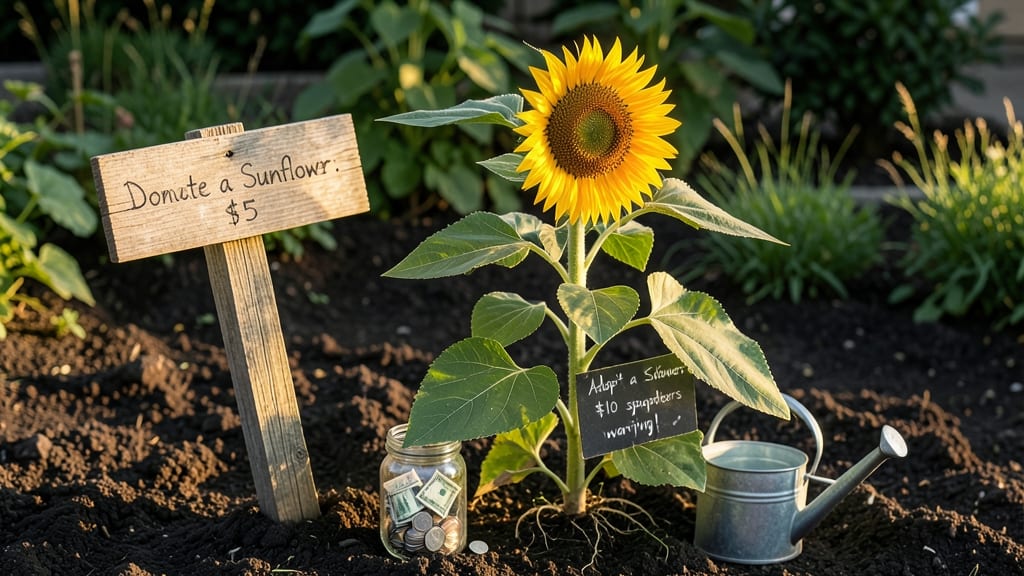
To give people money while growing a garden, use crowdfunding platforms like Kickstarter or Patreon to offer pre-order seeds or produce, or partner with local farms for shared profits. Community-supported agriculture (CSA) programs also let supporters invest in your garden for rewards or future harvests.
This approach turns your garden into a shared investment opportunity. 🌱 By offering early access to rare seeds or first-pick produce, you create excitement while generating upfront funding.
Many gardeners also find success through CSA programs, where members pay in advance for a season's harvest—this builds loyalty and predictable income streams. The key is framing your garden as a community asset rather than just a personal hobby.
Platforms like Kickstarter let you set specific funding goals and offer tiered rewards, while CSA programs often require more direct customer engagement. Both methods work best when you clearly communicate your garden's unique value—whether it's organic practices, heirloom varieties, or educational workshops.
Starting small with a pilot program can help you test what resonates most with your audience.
💡 In This Article
- Crowdfunding Platforms for Garden-Based Income
- Community-Supported Agriculture (CSA) Models for Garden Profits
Crowdfunding platforms for garden-based income
Crowdfunding transforms your garden into a community-backed project by letting supporters fund your efforts in exchange for tangible rewards.
Platforms like Kickstarter and GoFundMe specialize in project-based funding, where you set a specific goal (e.g., $5,000 for organic seed production) and offer tiered rewards—like heirloom seeds, potted plants, or a share of the harvest.
Patreon, on the other hand, focuses on recurring support, ideal for ongoing garden projects where backers receive monthly updates or produce deliveries. The platform takes a 5-12% cut, but the visibility can attract hundreds of supporters.
Structuring rewards effectively is key. For example, a $25 pledge might unlock a packet of rare seeds, while a $100 contribution could secure a potted tomato plant or a workshop ticket. Visual appeal matters—high-quality images of your garden, seed packets, or harvests create trust.
Kickstarter campaigns with compelling videos see a 20% higher success rate, so invest time in storytelling. The science behind this is simple: people fund what they can visualize and believe in. 🌱
Timing your campaign is critical. Spring and early summer are peak seasons for garden-related crowdfunding, aligning with planting and harvest cycles. Most successful campaigns run for 30-45 days, giving backers time to share and spread the word.
Transparency builds credibility—update supporters weekly with progress photos and garden updates. This not only keeps momentum going but also turns backers into advocates, amplifying your reach organically.
Legal considerations can’t be overlooked. Clearly state whether rewards are pre-orders (funds secure the product) or donations (funds support the project). For food-related rewards, check local regulations—some states require permits for selling homegrown produce.
Always include a refund policy for unfulfilled pledges. Platforms like Indiegogo offer "flexible funding," where you keep the money even if you don’t hit your goal, but this requires extra effort to deliver rewards.
Case studies show that gardeners using crowdfunding often exceed their goals by 20-30% when they leverage local networks. For instance, a community garden in Portland raised $12,000 for a pollinator-friendly project by offering 10% of the harvest to backers.
The key is tapping into niche interests—whether it’s organic heirlooms, drought-resistant plants, or educational content. Start with a modest goal to build trust, then scale up as your audience grows.
Don’t underestimate the power of social proof. Feature testimonials from early supporters or partner with local influencers to expand your reach. A well-timed email campaign to your existing network can also boost initial traction.
The goal isn’t just to raise money—it’s to build a community that feels invested in your garden’s success. 💛