
Size
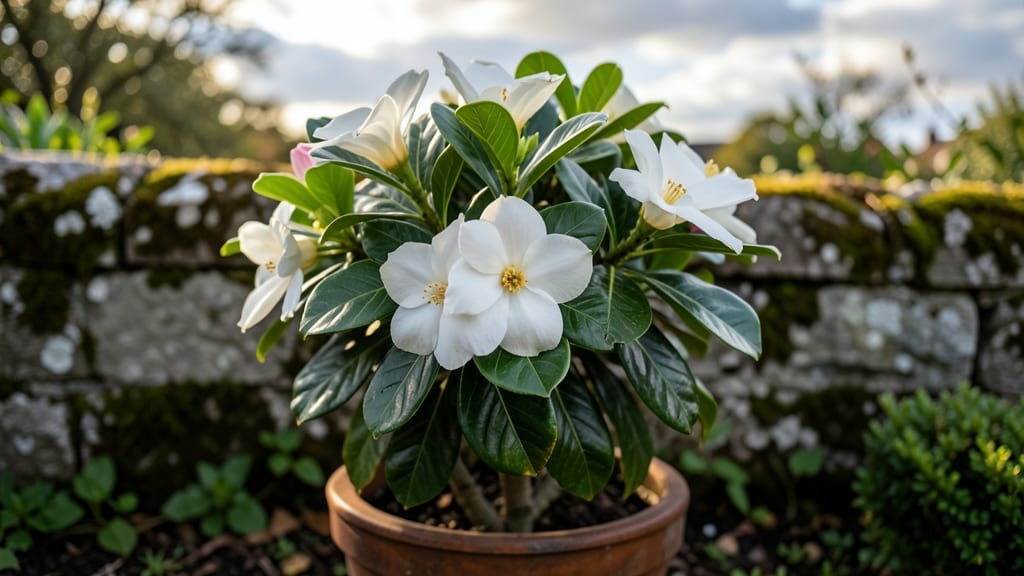
Gardenias grow between 1 and 12 feet tall depending on the variety, transforming your garden into a fragrant paradise 🌸—but knowing the exact height helps you choose the right spot before planting.
If you're dreaming of fragrant, glossy gardenias but wondering whether they’ll fit your garden’s height limits, you’re not alone—many gardeners hesitate before planting these tropical beauties due to their mature size.
Some varieties, like the classic Gardenia jasminoides, reach 4 to 6 feet, making them perfect for shrub borders, while others, such as Gardenia radicans, can climb to 12 feet if given support. The key is matching your space to the right type.
In this guide, I’ll break down the exact heights by variety, share pruning tips to control growth, and help you pick the best gardenia for your yard—whether you want a compact shrub or a towering fragrant focal point.


Gardenia height by variety: exact mature sizes for planning
Choosing the right gardenia variety for your space starts with understanding their mature heights. These tropical shrubs can range from compact 1-foot dwarf varieties to towering 12-foot climbers, so knowing exact dimensions helps you plan your garden layout.
Whether you're aiming for a fragrant hedge or a showstopping focal point, selecting the right size ensures your gardenia thrives without overwhelming your space.
Most gardenias fall into three growth categories: dwarf (under 3 feet), standard (3-6 feet), and large (6-12 feet). The most popular species, Gardenia jasminoides, typically reaches 3-6 feet at maturity, making it versatile for borders, containers, or small gardens.
However, some varieties like Gardenia radicans can climb to 10-12 feet if given support, while others like Gardenia augusta stay compact at 1-3 feet.
Before planting, check your gardenia’s growth habit—some grow as upright shrubs, while others sprawl or climb. For example, Gardenia 'Kleio' stays under 2 feet tall but spreads 3 feet wide, perfect for window boxes or small patios.
Meanwhile, Gardenia 'Veitchii' can grow 6-8 feet tall and needs space to flourish. Understanding these differences helps you avoid crowding or underutilized space.
| Variety | Mature Height (ft) | Growth Habit | Best For |
|---|---|---|---|
| Gardenia jasminoides | 3-6 | Upright shrub | Borders, containers, small gardens |
| Gardenia augusta | 1-3 | Compact shrub | Window boxes, small patios |
| Gardenia radicans | 10-12 | Climbing shrub | Trellises, fences, large gardens |
| Gardenia 'Kleio' | 1-2 | Dwarf shrub | Containers, balconies |
| Gardenia 'Veitchii' | 6-8 | Tall shrub | Hedges, large garden backdrops |
The Gardenia jasminoides, often called the common gardenia, is the most widely grown variety and typically matures between 3-6 feet. Its glossy, dark green leaves and highly fragrant white flowers make it a favorite for gardens and landscapes.
If you're working with limited space, opt for dwarf varieties like 'Kleio' or 'Radicans Compacta', which stay under 2 feet tall but still produce stunning blooms. These are ideal for container gardening or adding height to small patios.
For larger gardens or if you want to create a natural privacy screen, consider Gardenia radicans, which can climb to 10-12 feet when trained on a trellis or fence. This variety is perfect for adding vertical interest and fragrance to larger outdoor spaces.
If you're unsure about the final height, start with a potted gardenia to test how it fits into your space before planting permanently.
Another factor to consider is the spread of the plant, which can be just as important as height. For example, Gardenia 'Veitchii' can reach 6-8 feet tall but also spreads 4-5 feet wide, making it ideal for creating a living hedge or backdrop in larger gardens.
In contrast, Gardenia augusta stays compact with a 1-2 foot spread, perfect for edging or small garden beds.
When planning your garden, also consider the mature canopy size of your gardenia. A 6-foot-tall gardenia with a 4-foot spread will occupy a 10-square-foot area at maturity. This helps you avoid overcrowding and ensures each plant has enough space to grow without competing for nutrients or sunlight.
Always leave at least 3-4 feet of space between gardenias unless you're intentionally creating a dense hedge.
If you're growing gardenias in containers, choose a variety that fits your pot size. For example, a 1-2 foot dwarf gardenia thrives in a 12-inch pot, while a 6-foot standard gardenia needs a
How to control gardenia height: pruning and growth tips
If your gardenias are reaching for the sky faster than you'd like, don't panic—controlling their height is easier than you think. Gardenias naturally grow as shrubs or small trees, with most varieties reaching 3 to 6 feet at maturity.
The key to managing their size lies in understanding their growth habits and when to prune for optimal results without harming those prized blooms.
Pruning isn't just about cutting back overgrowth—it's about encouraging healthy, balanced growth while preserving the plant's ability to produce fragrant flowers. With the right techniques, you can keep your gardenias at your desired height, whether you prefer a compact bushy shape or a more tree-like form.
Let's dive into the steps to maintain your gardenias at the perfect height for your space.
- 1 Identify the right time: Prune gardenias right after flowering (late spring to early summer) to avoid cutting off next year's blooms. Never prune in fall or winter when the plant is dormant.
- 2 Use sharp, clean tools: Disinfect your pruning shears or bypass pruners with rubbing alcohol to prevent spreading disease. Cut at a 45-degree angle just above a leaf node or bud.
- 3 Remove dead or weak growth: Start by cutting out dead, diseased, or crossing branches. This improves airflow and reduces stress on the plant. Aim to remove no more than 25% of the plant's foliage in one session.
- 4 Shape for desired height: To reduce height, cut back overlong branches by up to one-third of their length. For a bushier look, trim back the tips of branches to encourage branching. Avoid cutting into old wood, as gardenias struggle to regrow from it.
- 5 Fertilize after pruning: Apply a balanced, acid-loving fertilizer (like 10-10-10) to support new growth. Water deeply to help the plant recover and encourage vigorous regrowth.
Gardenias respond well to regular, gentle pruning rather than drastic cuts. Over-pruning can stress the plant and reduce flowering. If you're aiming for a compact gardenia, focus on trimming new growth in early summer and again in late summer to maintain your desired shape.
For larger varieties, prune more aggressively in late spring to keep them from becoming unruly.
Seasonal care also plays a crucial role in controlling height. In spring and summer, when gardenias are actively growing, they'll benefit from monthly pruning sessions to shape and encourage blooms.
During fall and winter, reduce pruning to minimal maintenance—only remove dead or damaged branches. This allows the plant to focus its energy on root development for the next growing season.
Remember, gardenias thrive in acidic, well-draining soil with partial shade. If you're struggling to control their height, check their growing conditions—too much sun or poor soil can lead to uncontrolled growth. Amend the soil with peat moss or compost to encourage healthier, more manageable growth patterns.
With patience and the right techniques, you can enjoy fragrant, blooming gardenias at the perfect height for your garden—whether that's a low-growing border plant or a tall, dramatic specimen. Happy pruning! ✂️🌸