
How To
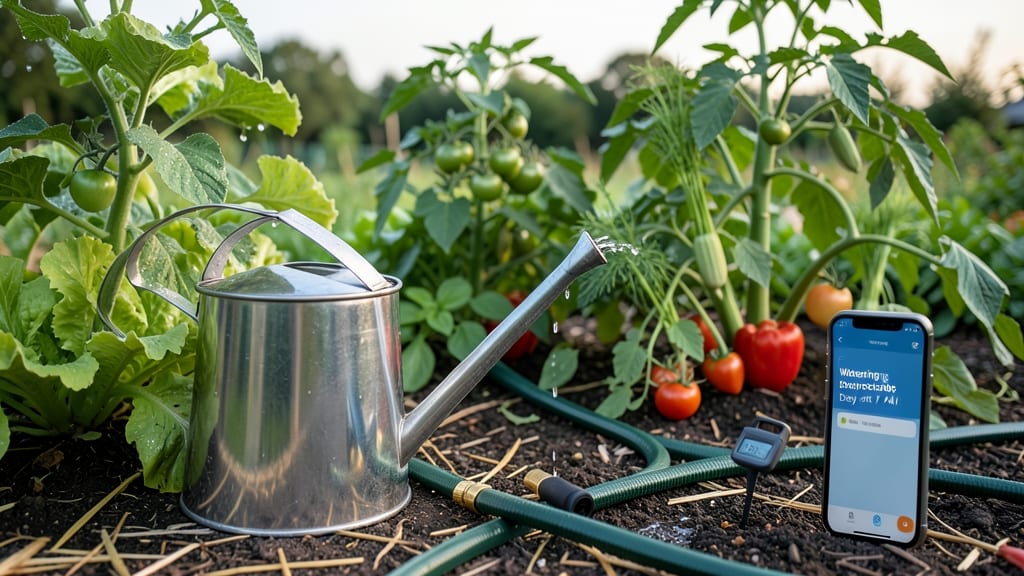
Watering your vegetable garden the right way means checking soil moisture—not just following a fixed schedule—because how often depends on what’s growing, your soil type, and even the weather.
Overwatering or underwatering your vegetable garden can mean the difference between a thriving harvest and wilted disappointment—yet most gardeners guess instead of measuring. The right watering frequency depends on soil type, plant needs, and climate, not just a rigid schedule.
If you’ve ever watched your tomatoes split from too much water or your lettuce bolt because it was dry, you know that perfect moisture is the key to success. This guide will show you how to test soil moisture like a pro, adjust for different vegetables, and avoid common pitfalls.
You’ll learn when to water in the morning vs. evening, how much is too much for heavy clay or sandy soil, and how to spot the signs of over- or under-watering before it’s too late. Let’s get your garden growing with confidence.
The soil-moisture test method: how to water based on plant needs
Watering your vegetable garden isn't about following a rigid schedule—it's about understanding your plants' individual needs. Root crops like carrots and potatoes need deep, infrequent watering, while leafy greens such as lettuce thrive with consistent moisture. The key? A simple soil-moisture test that tells you exactly when to water.
Start by inserting your finger 2 inches deep into the soil near your plants. If it feels dry, it's time to water. For sandy soil, check the top inch, while clay soil may need testing at 3 inches. This method ensures you're watering based on real-time conditions, not guesswork.
Morning watering is ideal because it allows foliage to dry quickly, reducing the risk of fungal diseases. Watering in the evening can leave plants damp overnight, inviting pests and mildew. Aim to water deeply once or twice weekly, encouraging roots to grow deeper rather than staying shallow.
How Often to Water Your Vegetable Garden
- 🌱 Check soil moisture by inserting your finger 2 inches deep. If dry, it's time to water.
- ☀️ Water in the morning (before 9 AM) to prevent fungal growth and maximize absorption.
- 💧 Water deeply (1-2 inches per session) to encourage deep root growth in vegetables like tomatoes and peppers.
- 🌿 Adjust for plant type: Root crops (carrots, beets) need less frequent but deeper watering, while leafy greens (spinach, lettuce) prefer consistent moisture.
- 🌡️ Increase frequency in heat: During summer, water every 1-2 days, while cooler months may only require watering every 3-4 days.
- 🪴 Mulch to retain moisture: Apply 2-3 inches of mulch around plants to reduce evaporation and keep roots cool.
Leafy greens like spinach and kale need more frequent watering—about every 1-2 days—because their shallow roots dry out quickly. In contrast, root vegetables such as potatoes and onions prefer deeper, less frequent watering to prevent splitting or deformities.
Pay attention to the time of day you water. Early morning is best because it gives plants time to absorb moisture before the heat of the day. Avoid watering at night, as damp leaves can attract slugs and snails, leading to damage.
Use a moisture meter for precision, especially in containers where soil dries out faster. These tools measure moisture levels accurately, helping you avoid both overwatering and underwatering. For in-ground gardens, rely on your finger test combined with visual cues like wilting leaves.
Adjust your watering schedule based on weather conditions. After heavy rain, skip watering for a few days to avoid soggy soil. During droughts, increase frequency but water deeply to reach roots. Observing your plants and soil will help you fine-tune your approach over time.
Remember, consistency is key. Vegetables like tomatoes and peppers thrive with steady moisture, while herbs like basil can handle slightly drier conditions. By mastering the soil-moisture test, you'll give your garden the perfect balance of hydration for a bountiful harvest.
Watering frequency by vegetable type: a quick reference guide
Not all vegetables thirst the same way—some like tomatoes and peppers demand consistent moisture, while zucchini and beans can handle brief dry spells. Your soil type also changes the game: sandy soil drains fast, while clay soil holds water longer.
Even container gardens need different care than in-ground beds. Let’s break down the watering schedules you need for a thriving harvest.
For high-demand crops like tomatoes and peppers, aim for 1-1.5 inches of water weekly—more in extreme heat. Drought-tolerant plants such as beans and squash only need 0.5-1 inch per week.
Adjust based on your local climate and soil drainage. Containers dry out faster, so check them daily in summer. Understanding these differences saves time and prevents wasted water.
Your soil type plays a huge role in watering. Sandy soil drains quickly, so you’ll need to water more frequently—sometimes daily in summer. Clay soil, on the other hand, holds moisture longer, so you can stretch watering to every 4-5 days.
For containers, watering is more critical because pots dry out faster. Always check the top 1-2 inches of soil before watering—if it’s dry, it’s time.
Adjust your schedule based on weather conditions. During heatwaves, increase watering by 30-50%. After heavy rain, skip watering for a few days to avoid root rot.
Morning watering is best—it reduces evaporation and fungal risks. By tailoring your approach to each plant and soil type, you’ll maximize yields while saving water.
Pro tip: Use a moisture meter or the finger test (stick your finger 1-2 inches deep) to check soil moisture. This beats guesswork and keeps your garden thriving without over- or under-watering. With this guide, you’ll know exactly when to reach for the hose—or skip it entirely.