
Watering
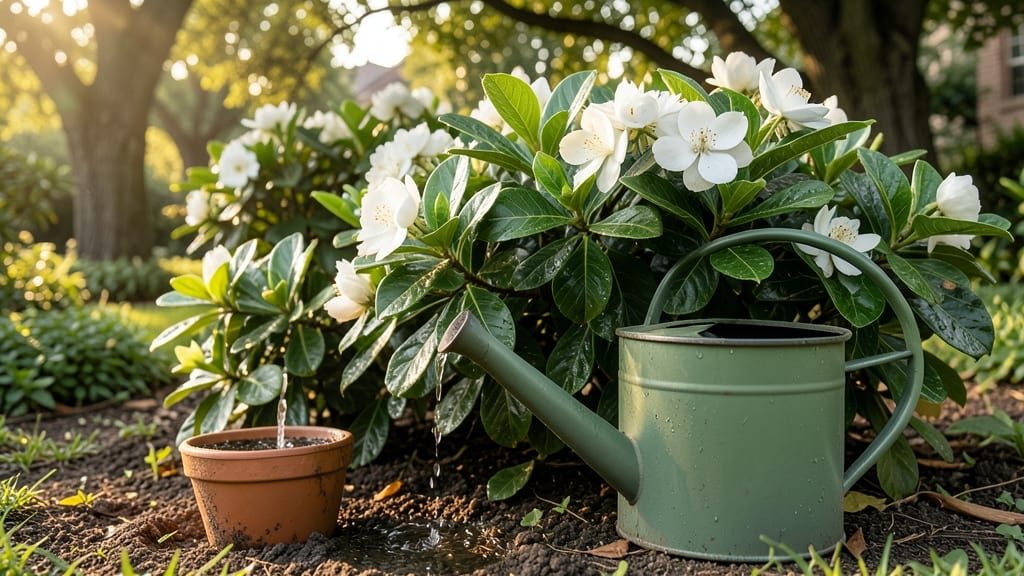
Gardenias need about 1-1.5 inches of water per week to thrive, but getting that balance right makes all the difference between fragrant blooms and sad, wilted leaves.
Picture this: you’ve spent weeks nurturing your 🌸 gardenias, only to watch them droop or turn yellow because you either drowned them or left them parched. The truth is, gardenias hate soggy roots but also can’t handle drought—so how do you strike the perfect watering rhythm?
It’s not just about the amount—season, soil, and even your local climate play huge roles. In Zone 6a, summer heat demands daily checks, while winter slows things down to every other week. I’ll walk you through the exact schedule, plus how to tell if you’re overdoing (or underdoing) it.
By the end, you’ll know when, how, and how much to water for gardenias that bloom like they’re in a tropical paradise—no guesswork required.
Gardenia watering requirements by season: exact weekly schedule
Gardenias thrive when their watering needs align perfectly with seasonal changes. Unlike drought-tolerant plants, these tropical beauties demand consistent moisture—but too much water can suffocate their roots. The key lies in understanding how temperature, humidity, and sunlight exposure shift throughout the year and adjusting your schedule accordingly.
In my humid subtropical climate, gardenias drink more aggressively during summer heatwaves (think daily watering) than in cool winter months (bi-weekly). Even a 5°F temperature drop can halve their water requirements. Let’s break down the exact weekly schedule your gardenias need to stay lush, fragrant, and blooming year-round.
Pro Tip: Always water at soil level (not overhead) to prevent fungal diseases like powdery mildew. Use a moisture meter or the "finger test"—stick your finger 2 inches deep. If it feels dry, it’s time to water.
| Season | Weekly Watering Frequency | Soil Moisture Goal | Environmental Factors |
|---|---|---|---|
| Spring (March-May) | 2-3 times per week | Top 2 inches moist | Warm soil, increasing humidity |
| Summer (June-August) | Daily or every other day | Top 1-2 inches moist | High temps (90°F+), low humidity |
| Fall (September-November) | Every 3-4 days | Top 2-3 inches moist | Cooling temps, higher humidity |
| Winter (December-February) | Every 10-14 days | Top 3-4 inches moist | Dormant growth, cold soil |
During spring, gardenias wake up from dormancy and need frequent watering to support new growth. I start with deep watering sessions every 2-3 days, ensuring water penetrates 6-8 inches deep. This mimics their natural tropical rainfall patterns and encourages robust root development for the blooming season ahead.
When summer heat arrives, I switch to daily watering in extreme heat (above 90°F) or every other day in milder conditions. The trick is to water early morning (before 9 AM) to reduce evaporation and prevent leaf scorch.
In my humid climate, I also avoid wetting the foliage to prevent fungal infections.
As fall temperatures drop, I gradually reduce watering to every 3-4 days. This adjustment helps gardenias prepare for winter dormancy while still maintaining moisture in their acidic, well-draining soil. I always check for yellowing leaves, a sign of overwatering in cooler weather.
Winter is the easiest season—bi-weekly watering is all it takes. Gardenias enter a dormant phase, so their roots require far less moisture. I focus on keeping the top 3-4 inches of soil lightly moist, using a mulch layer to retain humidity and protect roots from freezing temperatures.
One critical mistake I’ve seen beginners make is ignoring soil type. Gardenias hate clay-heavy soil that traps water. If your gardenia’s leaves turn yellow with brown edges, it’s likely overwatered. Amend your soil with peat moss or perlite to improve drainage and prevent root rot.
For container-grown gardenias, the schedule shifts slightly—water every 1-2 days in summer since pots dry out faster. Always use a well-draining pot with drainage holes and a moisture-retaining liner to balance water needs.
Remember: consistency is key. Gardenias reward predictable care with abundant blooms and glossy foliage. Stick to this seasonal schedule, and your gardenias will thrive for years—filling your garden with that unmistakable, intoxicating fragrance you love. 🌸
Signs you're overwatering or underwatering gardenias (and how to fix it)
Gardenias thrive on consistent moisture but are surprisingly delicate when it comes to watering. The difference between lush blooms and wilted leaves often comes down to how often—and how much—you water. Let’s decode the visual clues your gardenia uses to signal distress, so you can adjust before it’s too late.
First, check the leaves—they’re your plant’s first line of communication. Yellowing leaves with crispy edges? That’s often a cry for help from overwatering. On the flip side, dry, brown edges or drooping foliage scream underwatering.
Both extremes can lead to leaf drop, but the root cause—and fix—is completely different.
💧 Pros & Cons of Watering Gardenias
- Lush foliage and vibrant blooms
- Healthy root growth in well-draining soil
- Consistent moisture prevents stress
- Root rot from soggy soil
- Yellow leaves and leaf drop
- Fungal diseases like powdery mildew
- Wilting and crispy leaf edges
- Stunted growth and fewer blooms
- Dry, brittle stems and leaf drop
For overwatered gardenias, the first step is to stop watering immediately and let the soil dry out. Amend the soil with organic matter like compost or perlite to improve drainage.
If the roots are already rotting, you may need to repot the plant into fresh, well-draining soil. Mulching around the base can also help regulate moisture levels.
If your gardenia is underwatered, give it a deep soak until water runs out of the drainage holes. Aim for 1-1.5 inches of water per week, adjusting for your climate.
Watering in the early morning reduces evaporation and fungal risks, while avoiding evening watering prevents soggy foliage that invites pests.
Don’t forget to check the roots—healthy roots should be white or light tan, while black or mushy roots signal overwatering. If you see root rot, trim the affected roots with sterilized scissors and repot in fresh soil.
For underwatered plants, you’ll notice tight, dry soil clumps when dug up—this is your cue to water more frequently.
Finally, pay attention to the blooms. Gardenias that aren’t blooming may be stressed from watering extremes. Adjust your routine based on the season—summer heat demands more frequent watering, while winter dormancy requires less.
With the right balance, your gardenias will reward you with fragrant blooms all season long. 🌸