
Light Requirements
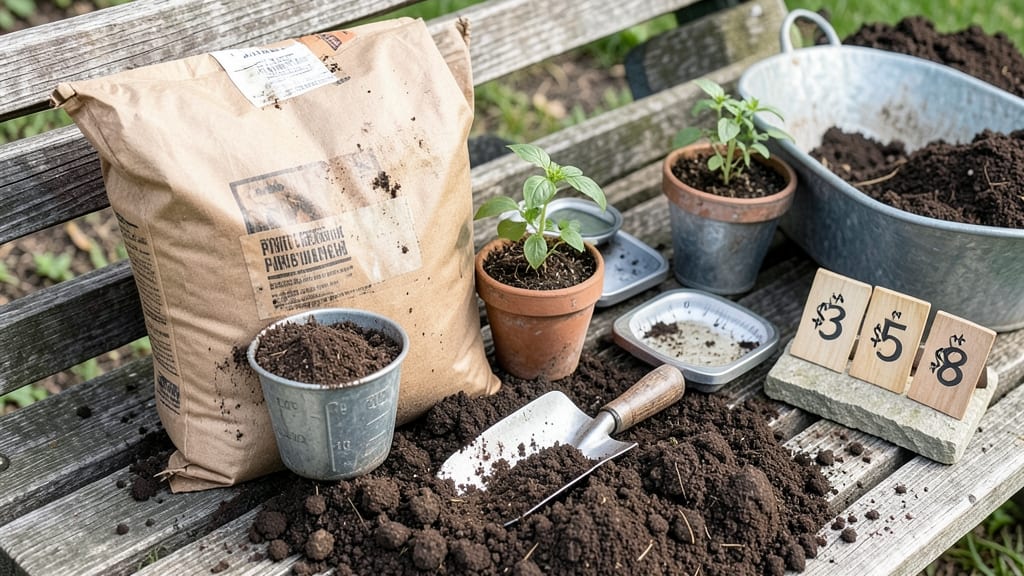
Garden soil prices vary widely depending on type and quantity, with bulk options typically costing $1 to $5 per cubic foot and bags ranging from $2 to $8 for a 40-pound size. Organic blends and specialty mixes usually command higher prices due to their nutrient profiles and production methods.
When shopping for garden soil, you'll notice the biggest price jumps between basic topsoil and enriched mixes. 🌱 For example, a 40-pound bag of standard topsoil might run $3, while a premium organic blend designed for vegetables could cost $7 or more.
The difference comes down to ingredients—organic soils often include compost, worm castings, or peat moss, which improve fertility but require more processing. Regional availability also plays a role: suppliers in urban areas may charge more due to transportation costs, while rural farms often offer bulk discounts.
Another factor is whether you're buying for containers or in-ground planting. Potting mix tends to be pricier because it's formulated to retain moisture and drain well, but it's essential for container gardens.
On the other hand, topsoil for raised beds is usually cheaper since it doesn't need the same level of aeration. Always check the label—soils labeled "garden soil" often blend topsoil with compost, while "potting soil" is lighter and designed for pots.
💡 In This Article
- Factors Affecting Garden Soil Pricing
- Best Garden Soil Types for Different Plant Needs
Factors affecting garden soil pricing
The foundation of soil pricing lies in its composition. Standard topsoil, which is primarily mineral-based with minimal organic matter, costs less ($1-$3 per cubic foot) because it requires minimal processing.
In contrast, organic blends—packed with compost, worm castings, or peat moss—can cost $4-$8 per cubic foot due to the labor and materials needed to break down organic matter into nutrient-rich humus.
For example, a bag of basic topsoil might contain 5-10% organic material, while premium mixes can have 30-50%, significantly boosting costs.
Nutrient density plays a critical role too. Soils designed for specific plants—like vegetable mixes with added nitrogen or cactus blends with gritty texture—incorporate specialized amendments. These might include slow-release fertilizers, mycorrhizal fungi, or perlite for aeration, each adding $1-$3 per bag to production costs.
Regional availability also impacts pricing: suppliers near quarries or composting facilities often offer cheaper bulk soil, while urban areas may charge 20-50% more due to transportation and handling fees.
Supplier markup varies dramatically. Big-box stores typically add 30-50% profit margins to bags, while local farms or co-ops may offer bulk discounts (sometimes 30-40% cheaper) for larger quantities.
For instance, a 1 cubic yard of topsoil might cost $25-$40 at a garden center but only $15-$25 from a local supplier. The key is understanding whether you need the convenience of pre-mixed soil or if bulk topsoil meets your needs at a lower cost.
Seasonal fluctuations also affect pricing. Spring and summer demand spikes can increase costs by 10-20% as suppliers anticipate higher sales for planting seasons. Conversely, fall and winter often see discounts on leftover inventory.
If you're planning a large garden project, timing your purchase can save $50-$200 for bulk orders. Always compare labels—terms like \"garden soil\" and \"potting mix\" can hide significant composition differences.
One often-overlooked factor is soil testing. Premium soils may include pH-balancing additives or micronutrients tailored to local conditions, which can justify higher prices. For example, soils in acidic regions might include lime amendments, while alkaline areas may need sulfur-based treatments.
These adjustments can add $0.50-$2 per cubic foot but ensure optimal plant growth, making them worthwhile for high-value crops like tomatoes or berries.
Finally, sustainability practices influence costs. Certified organic soils often cost 20-40% more due to stricter production standards, but they avoid synthetic chemicals and promote long-term soil health. If you're growing edibles, the investment in organic soil can pay off in 20-30% higher yields over time.
For non-edible plants, standard mixes may suffice without the premium price tag.