
How To
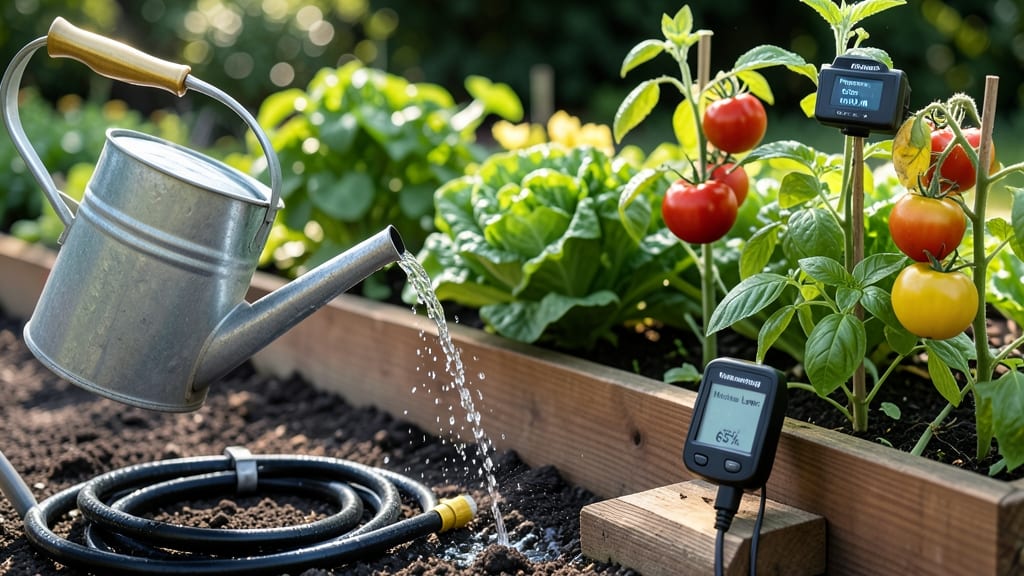
Watering a vegetable garden for the right length of time ensures deep roots and strong plants 🥕 — not just a quick sprinkle that leaves the soil thirsty or drowning.
Overwatering or underwatering your vegetable garden can mean the difference between a bountiful harvest and wasted effort—yet most gardeners struggle to get the timing right. The key lies in understanding how long to water each plant type, not just how often.
Different vegetables need different watering durations: leafy greens like lettuce might need 10-15 minutes per session, while root crops like carrots require 20-30 minutes to encourage deep growth. Soil type, weather, and plant maturity all play a role.
In this guide, I’ll break down the science-backed watering rules by plant type, show you how to tell if you’re over- or underwatering, and share smart hacks to save time and boost yields—so you can water with confidence all season long.
Deep-watering rules by plant type: how long to water vegetables correctly
Watering your vegetable garden isn't a one-size-fits-all task—each plant type has unique needs that determine how long you should water. Root vegetables like carrots and potatoes need deep, infrequent watering to develop properly, while leafy greens like lettuce prefer consistent moisture.
Understanding these differences ensures your plants thrive, not just survive. The key is matching water duration to the plant's growth stage and soil type.
For example, a tomato plant in sandy soil might need just 15-20 minutes of deep watering, while the same plant in clay soil could require 30-40 minutes. Seasonal factors also play a role—summer heat demands longer watering sessions than spring or fall.
Let's break down the science-backed watering durations for 12+ common vegetables to help you water like a pro.
| Plant Type | Watering Duration (Minutes) | Soil Adjustment | Seasonal Notes |
|---|---|---|---|
| Root Vegetables (Carrots, Potatoes, Beets) | 20-30 | +10 min for clay | Deep water at planting |
| Leafy Greens (Lettuce, Spinach, Kale) | 15-25 | -5 min for sandy | Keep soil moist |
| Fruiting Plants (Tomatoes, Peppers, Cucumbers) | 25-40 | +15 min for clay | Increase in fruit set |
| Herbs (Basil, Parsley, Cilantro) | 10-15 | -3 min for loamy | Drought-tolerant |
| Onions & Garlic | 15-20 | +5 min for clay | Reduce before harvest |
| Corn | 30-45 | +20 min for clay | Critical during tasseling |
| Peas & Beans | 10-15 | -5 min for sandy | Avoid waterlogging |
| Broccoli & Cauliflower | 20-25 | +10 min for clay | Consistent moisture |
| Eggplant | 30-35 | +15 min for clay | Increase during flowering |
| Radishes | 10-15 | -3 min for loamy | Quick-growing |
Signs your vegetable garden needs more (or less) water: visual cues to adjust timingYour vegetable garden speaks volumes through its leaves, stems, and soil—if you know what to listen for. Yellowing leaves or crispy edges often signal water stress, but these symptoms can stem from either too much or too little water. The key is observing leaf texture, soil moisture, and growth patterns to diagnose the issue accurately. First, check the soil surface—it should feel moist but not soggy. If it's dry 1 inch below, most vegetables need water. For root crops like carrots, overwatering can cause rot, while leafy greens like lettuce wilt dramatically when thirsty. Understanding these visual cues helps you adjust your watering schedule before damage occurs.
⚠️ Warning: Overwatering is just as deadly as underwatering!
Vegetables need 1-2 inches of water per week, but timing matters. Water deeply 2-3 times per week (morning sessions) rather than light daily sprinkles. Clay soil holds moisture longer—adjust by watering 20-30% less than sandy soil. Always check soil moisture before watering to avoid drowning roots. Wilting is the most obvious sign of underwatering, but it can also indicate root rot from overwatering. To test, gently tug on a leaf—if it snaps easily, the plant is severely dehydrated. For fruiting plants like tomatoes, drooping leaves paired with blossom end rot often mean inconsistent watering. Mulch helps retain moisture and regulate soil temperature, reducing these fluctuations. Mold or white fungal growth on soil surfaces is a red flag for overwatering. This creates anaerobic conditions that suffocate roots. If you spot yellowing lower leaves with crispy edges, it’s likely excessive moisture. Conversely, curled leaves or stunted growth usually mean the plant isn’t getting enough water to reach its full potential. Adjust your approach based on the plant type and season. Leafy greens recover quickly from wilting, while root vegetables like beets need consistent moisture to prevent cracking. In summer, water earlier in the day to reduce evaporation, and in winter, cut back by 50% or more unless you’re growing cold-hardy crops like kale. Keep a watering journal to track what works best for your garden. Note the time of day, amount of water, and plant responses after each session. Over time, you’ll develop an intuitive sense of when your vegetables need a drink—leading to healthier plants and a more productive harvest. 🌱 |