
Planting
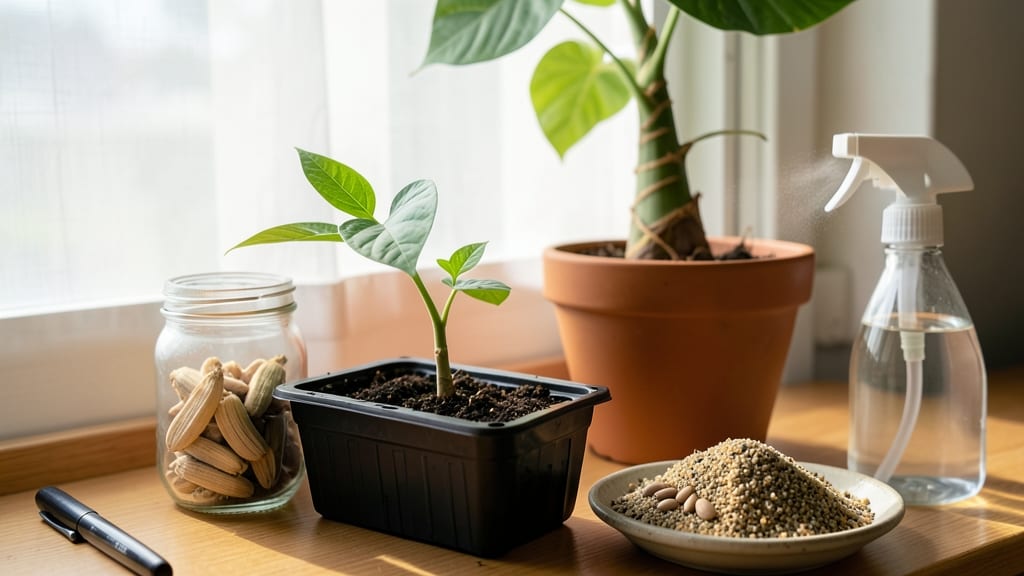
Growing a garden banana seed 🍌 into a thriving plant is a 12- to 18-month journey that rewards patience with tropical fruit you’ll actually harvest.
Picture this: your first banana seedling unfurling after weeks of careful nurturing, only to stall when the wrong soil or light catches up with you. That’s where most gardeners hit a wall—but it doesn’t have to be your story.
This guide cuts through the guesswork, from germinating that tiny seed to protecting your young plant through its critical first year in zones 10-12. We’ll cover the soil secrets that keep roots happy, the sunlight tricks for indoor growers, and the watering schedule that prevents root rot.
By the end, you’ll know exactly how to turn a single seed into a banana plant that’s ready to fruit—no black thumb required.


How to germinate a garden banana seed indoors for maximum success
Starting a garden banana from seed is like nurturing a tiny tropical miracle. The key to success lies in the first few weeks—when your seed transforms from a dormant speck into a robust seedling ready for outdoor life.
I’ve learned that patience and precise care during germination set the stage for a thriving plant that could one day bear fruit in your own backyard.
Banana seeds are notoriously slow to sprout, often taking 3-6 months to break through the soil. But with the right temperature, humidity, and method, you can give your seed the best possible start.
Whether you choose water germination or direct soil planting, each approach has unique advantages that cater to different gardener styles and spaces.
Prepare Your Seed
Clean the banana seed by removing any remaining fruit pulp. Soak it in lukewarm water for 24 hours to soften the outer shell. This step mimics natural rainfall and kickstarts hydration.
Choose Your Germination Method
Water Method: Place the seed in a jar with 2-3 inches of water, ensuring only the bottom half is submerged. Change water every 3-4 days to prevent mold. Soil Method: Plant the seed 1 inch deep in a moist, well-draining mix (50% potting soil, 50% perlite).
Create Ideal Conditions
Banana seeds thrive in 75-85°F temperatures. Use a seedling heat mat if your home runs cooler. Maintain 70-80% humidity by covering the container with plastic wrap or using a humidity dome. Place near a south-facing window or under grow lights for 12+ hours of light daily.
Monitor for Sprouting
Check daily for signs of life—a tiny white root or green shoot emerging. Water germination may show roots first (within 2-4 weeks), while soil-grown seeds can take 6-12 weeks. Avoid disturbing the seed once sprouting begins to prevent root damage.
Transplant to Soil
Once roots reach 1-2 inches (water method) or a 2-inch shoot appears (soil method), transplant to a 4-inch pot with rich, aerated soil. Use a mix of peat moss, coconut coir, and perlite to mimic tropical conditions. Water gently to settle soil around roots.
Hardening Off
After 4-6 weeks in the pot, begin hardening off by placing the seedling outdoors for 1-2 hours daily, gradually increasing exposure. This prepares it for outdoor planting when temperatures stay above 60°F at night. A mini greenhouse can help during cool nights.
I’ve found that the water germination method gives me a head start on root development, making it easier to spot early growth. However, the soil method often produces hardier seedlings because they adapt to soil conditions sooner.
Whichever you choose, consistency in temperature and moisture is critical—banana seeds are sensitive to fluctuations.
One common mistake I’ve seen is letting the seed dry out during germination. Banana seeds need consistent moisture, but avoid waterlogging, which can cause rot. If using the water method, ensure the seed stays submerged just enough to keep it hydrated without drowning it.
For soil germination, keep the mix damp like a wrung-out sponge.
Patience is your greatest ally here. Unlike fast-sprouting vegetables, banana seeds move at their own pace. Celebrate small victories, like the first root or leaf, and remember that each step brings you closer to that dream of harvesting your own homegrown bananas.
With the right care, your seedling will soon be ready to thrive in your garden or container setup.
Pro tip: Keep a germination journal to track your seed’s progress. Note the days it takes to sprout, the conditions that worked best, and any challenges you faced. This record becomes invaluable for future attempts—and trust me, you’ll want to try again!
Best soil conditions and climate requirements for outdoor banana growth
Banana plants thrive in conditions that mimic their tropical origins, but with the right adjustments, you can grow them successfully in USDA Zones 10-12 or even push the limits in Zone 9 with protection.
The key lies in replicating their natural environment—warmth, humidity, and rich soil—while avoiding common pitfalls like cold snaps or poor drainage. Let’s break down the essentials for cultivating your garden banana outdoors.
First, focus on soil composition. Bananas prefer a loamy, well-draining soil with high organic matter, like a mix of compost, coconut coir, and perlite. The ideal pH level ranges from 5.5 to 7.0, slightly acidic to neutral.
Test your soil before planting—amend it with aged compost or peat moss if needed to achieve the right balance. Poor drainage is a silent killer, so avoid heavy clay soils unless you amend them thoroughly.
| Requirement | Specification |
|---|---|
| Soil Type | Loamy, well-draining, high organic matter |
| pH Level | 5.5–7.0 (slightly acidic to neutral) |
| Sunlight | Full sun (6+ hours daily) |
| Temperature Range | 70–90°F (21–32°C) |
| Humidity | 60–80% (use mulch or shade cloth in dry climates) |
| Frost Tolerance | None (protect with frost cloth or move indoors) |
| Wind Protection | Essential (use windbreaks or plant near fences) |
Sunlight is non-negotiable for banana plants. They demand at least 6 hours of direct sunlight daily, preferably more. In temperate zones, position your plant in the southernmost part of your yard or use a greenhouse or container for mobility.
If growing in containers, choose large pots (15+ gallons) with drainage holes and move them indoors during cold snaps. A south-facing window or grow lights can supplement sunlight indoors.
Climate control is critical, especially in cooler regions. Bananas are frost-sensitive—even a light frost will kill them. In Zone 9 or cooler, grow your banana in a container** and bring it indoors before temperatures drop below 50°F (10°C).
Use a space heater or heat mat to maintain root warmth. For outdoor plantings, create a microclimate with windbreaks, mulch, and shade cloth to retain moisture and moderate temperatures.
Humidity plays a surprising role in banana growth. In dry climates, mimic tropical humidity by mulching heavily (use straw or wood chips) and misting leaves daily. Grouping plants together or placing them near a water feature also helps.
If you’re in a humid region, ensure good airflow to prevent fungal diseases like sigatoka leaf spot. Regularly inspect leaves for yellowing or brown spots—early signs of stress or disease.
Finally, don’t overlook the importance of wind protection. Banana plants have large leaves that can tear easily in strong winds. Plant near a fence, hedge, or trellis, or use a bamboo windbreak.
In coastal areas, salt spray can damage leaves, so rinse plants occasionally with fresh water. With these adjustments, your garden banana will thrive year-round, even if you’re not in a tropical paradise.