
Shrubs
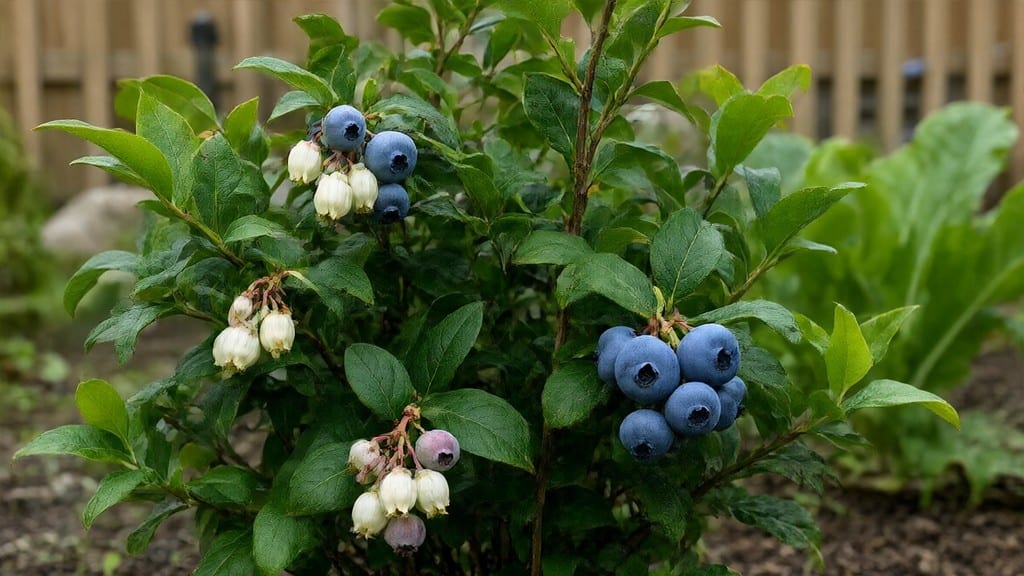
Gardening blueberry bushes in your yard unlocks a lifetime of effortless, juicy berries—once you master their simple soil and sunlight secrets. 🌿 patience, and a sunny spot. The payoff? A year-round harvest that starts small but grows into buckets of fruit by year three.
Most people overlook how simple blueberry care actually is. You don’t need fancy tools—just well-draining soil, 5-6 hours of sunlight daily, and a 5-foot spacing between bushes.
The real secret? Mulching with pine needles keeps the soil acidic, which blueberries crave. Once established, they’re drought-tolerant and rarely need pruning beyond removing dead wood.
By summer’s end, you’ll be picking deep blue, sweet berries straight from the bush—no pesticides, no middleman. The flavor is 10x better than store-bought, and the bushes produce for decades.
Even better? Birds and bees love them too, turning your yard into a mini ecosystem. Let’s get those bushes planted right the first time.
Works in zones 3-7, whether you have a full sun yard or a partially shaded corner. The key is starting with the right variety—southern highbush for warm climates, northern highbush for cooler ones. Here’s how to set them up for effortless success from day one.
📚 In This Guide
- What you need
- Instructions
- Tips and common mistakes
- Wrapping up and next steps
What you need
- ● Blueberry plants: 2–4 plants (choose Northern Highbush, Southern Highbush, or Rabbiteye varieties based on your climate zone).
- ● Ensure they’re disease-free and bare-root (for best transplanting) or container-grown.
- ● Soil amendments: 1–2 bags of peat moss or pine bark fines (for acid-loving soil, ~5–10 gallons per plant).
- ● 1–2 lbs of sulfur (to lower soil pH to 4.5–5.5).
- ● Balanced organic fertilizer (e.g., 10-10-10, ~1 lb per plant).
- ● Tools: Garden trowel or spade (for digging).
- ● Pruning shears (sharp and clean).
- ● Garden gloves (to protect your hands).
- ● Watering can or hose with a soaker hose attachment (for deep, consistent watering).
- ● pH testing kit (to monitor soil acidity).
- ● Mulch: Pine needles or wood chips (2–3 inches thick) to retain moisture and acidify soil.
- ● Drip irrigation system: For automated, efficient watering.
- ● Bird netting: To protect ripe berries from hungry birds!
- ● Compost: To enrich soil over time (add annually in spring).
- ● Blueberry-specific fertilizer: Like Miracle-Gro Garden Feeder for acid-loving plants.
How to plant and maintain blueberry bushes for a reliable harvest
Here's the straightforward approach I've used to grow healthy, productive blueberry bushes that thrive with minimal fuss.
🌱 Step 1: Select and Prepare the Planting Site
Blueberry bushes demand acidic soil with a pH between 4.5 and 5.5—this is non-negotiable for root health and berry production. Test your soil first using the soil pH test kit provided. If your soil is too alkaline, amend it with 10 pounds of peat moss mixed into the top 12 inches of soil per bush, or use sulfur granules at a rate of 1 pound per 100 square feet.
Choose a location with full sun exposure—at least 6-8 hours of direct sunlight daily. Blueberries tolerate partial shade but produce fewer berries. Dig a hole twice as wide as the root ball but only as deep as the container it came in. This prevents burying the graft union too deep, which can cause weak growth.
🪴 Step 2: Plant and Mulch for Optimal Growth
Gently remove the blueberry bush from its container and loosen the roots if they're circling. Place it in the hole so the top of the root ball sits 1 inch above soil level—this prevents waterlogging. Backfill with the amended soil, pressing lightly to eliminate air pockets. Water deeply right away to settle the soil and encourage root contact.
Spread 3 inches of pine bark mulch around the base, keeping it 6 inches away from the stem to prevent rot. This mulch slowly acidifies the soil over time while suppressing weeds. Replenish it annually in late winter to maintain moisture and soil acidity. Avoid using cedar or oak mulch—they can raise soil pH too much.
☀️ Step 3: Water and Fertilize for Maximum Yield
Water your blueberry bushes 1-2 inches per week, more during fruit set and hot spells. The soil should stay evenly moist but not soggy—blueberries hate "wet feet." I check moisture by sticking my finger 2 inches deep; if it's dry, it's time to water. Drip irrigation works best, delivering water directly to the root zone without wetting the foliage (which invites fungal diseases).
Fertilize in early spring with the acid-loving plant fertilizer at half strength. Blueberries need low nitrogen to avoid excessive leaf growth at the expense of fruit. Apply the remaining half in mid-summer after harvesting. Avoid high-phosphorus fertilizers—they can harm blueberry roots. A soil test every 2-3 years ensures you're adjusting nutrients correctly.
✂️ Step 4: Prune and Protect for Long-Term Health
Prune in late winter or early spring before new growth begins. Remove dead, diseased, or crossing branches first, then cut back older canes to encourage new, fruiting wood. Thin out overcrowded stems to improve airflow—this reduces fungal issues like botrytis blight. Leave 4-6 of the strongest canes per bush for optimal fruiting.
Watch for blueberry maggots and birds—both love ripe berries. Cover bushes with floating row fabric when berries begin to ripen to deter birds. For maggots, apply organic neem oil spray every 2 weeks during fruiting season. Harvest berries when they're deep blue and pull away easily from the stem. Gently twist them off to avoid damaging the plant.
⏰ Step 5: Overwinter and Plan for Next Year
In late fall, apply a 3-inch layer of mulch to insulate roots from freezing temperatures. Blueberries are hardy but benefit from winter protection in colder climates. Prune out any weak or damaged growth that appeared during the season. This keeps the bush focused on producing strong canes for next year's harvest.
Take notes on your bushes' performance—track when they flowered, fruited, and any pests you noticed. Adjust your approach for next year: if berries were small, try a light summer prune to reduce canopy density. If soil pH drifted, plan to amend it again in early spring. With consistent care, your bushes will reward you with years of abundant harvests.
Tips & tricks for perfect blueberry bushes
A few key strategies will help you avoid common pitfalls and maximize your blueberry harvest with minimal effort.
Soil pH Precision: The 4.5-5.5 pH range is critical—don't guess! Use a digital pH meter for accuracy, as home test kits can be off by 0.5 points. I've seen bushes struggle in soil that tested "perfect" on a basic kit but actually measured 6.0 with a meter. If your soil is borderline, err on the acidic side and test again in 6 months.
Planting Depth Secret: That 1-inch elevation above soil level in Step 2 isn't just about drainage—it prevents crown rot by keeping the graft union exposed. I learned this the hard way when my first bushes developed fungal issues from being planted too deep. Mark the container's top with a pencil before removing the plant to ensure proper placement.
Watering Technique: The 1-2 inches per week guideline works for most climates, but adjust for your microclimate. In my experience, sandy soils need daily watering during summer, while clay soils can go 3-4 days between waterings. Always check moisture at 2 inches deep—this is where roots actively absorb water. Morning watering prevents fungal issues from overnight moisture.
Pruning Strategy: When cutting back older canes in Step 4, aim to remove wood that's at least 3 years old. Younger canes (1-2 years) produce the best fruit, so you're actually making room for next year's harvest. I prune aggressively in late winter, then do a light cleanup in summer to remove any water sprouts or diseased branches that appear during the growing season.
Pro Tips for Gardening Blueberry Bushes
- A few key strategies will help you avoid common pitfalls and maximize your blueberry harvest with minimal effort.
- Soil pH Precision: The 4.5-5.5 pH range is critical—don't guess!
- Planting Depth Secret: That 1-inch elevation above soil level in Step 2 isn't just about drainage—it prevents crown rot by keeping the graft union exposed.
Frequently asked questions
Got questions about growing blueberry bushes? You’re not alone! Here are some common concerns and answers to help you get started with confidence.
When’s the best time to plant blueberry bushes?
The ideal time to plant blueberries is in late winter or early spring, just before new growth begins. This gives the roots time to establish before the heat of summer. If you’re in a cooler climate, late fall planting (before the ground freezes) is also a great option. Pro tip: Avoid planting during peak summer heat—it stresses the plants and slows growth.
How often should I water my blueberry bushes?
Blueberries love consistent moisture, especially during their first year. Water deeply 2–3 times per week, aiming for about 1–1.5 inches of water total. Once established, they need less frequent watering (about once a week), but keep the soil evenly moist. Watch for: Yellow leaves or dry soil—signs they need more water!
Can I grow blueberries in containers?
Dwarf blueberry varieties thrive in containers, making them perfect for small spaces or patios. Use a well-draining pot (at least 15 gallons) filled with acidic soil (pH 4.5–5.5). Just ensure the container has drainage holes and rotate it occasionally for even sunlight. Bonus: Container-grown blueberries are easier to protect from pests!
Why are my blueberries small or not ripening properly?
Small or underripe blueberries often stem from nutrient deficiencies (especially nitrogen or phosphorus) or inconsistent watering. Test your soil’s pH—blueberries prefer acidic soil (4.5–5.5). Fertilize with a blueberry-specific fertilizer in early spring and again after harvest. Also, check for pests like birds or aphids!
How do I extend the blueberry harvest season?
To enjoy blueberries longer, plant multiple varieties that ripen at different times (early, mid, and late-season). Prune bushes in late winter to encourage new growth and fruit production. For container-grown bushes, bring them indoors during harsh winters or use row covers to protect from frost. Result: A steady supply from summer into fall!
Wrapping up and next steps
Growing blueberry bushes is a rewarding journey that combines minimal effort with delicious, homegrown fruit—and you’ve got all the tools to succeed!
From selecting the right variety to mastering soil pH and pruning, each step brings you closer to a bountiful harvest. 🌱 With patience and care, your blueberry bushes will thrive year after year.
Ready to take the next step? Start small! Plant one or two bushes this season, experiment with different varieties, and watch your garden transform. Before you know it, you’ll be enjoying fresh, juicy blueberries straight from your backyard—and maybe even sharing them with neighbors. Happy gardening! 🍇✨