
Pests
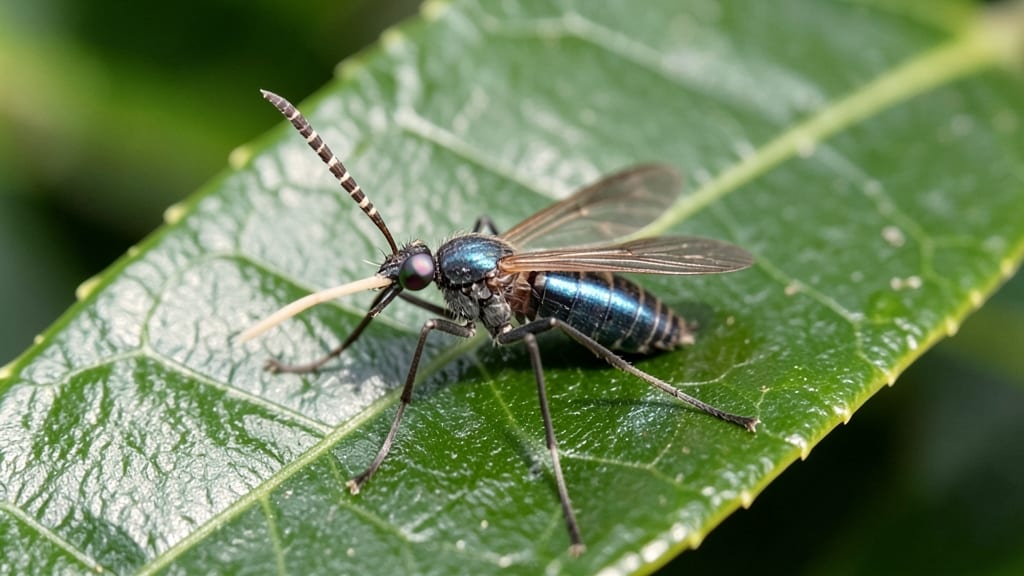
Gardenias' mosquito repellent properties come from their natural compounds like geraniol and linalool, which confuse mosquitoes' scent-detection systems. Planting them near patios or crushing leaves creates a protective barrier, though effectiveness depends on the variety and growing conditions.
These fragrant flowers don't just smell amazing—they contain powerful volatile oils that disrupt mosquitoes' ability to locate humans. 🌿 The most potent varieties, like Cape jasmine, release higher concentrations of these compounds, making them ideal for outdoor spaces.
I've found that combining gardenias with other repellent plants like citronella or lavender can create a stronger defense system against pests.
For best results, plant gardenias in well-drained soil near seating areas where you spend the most time outdoors. The flowers' natural scent alone can create a 10-foot protective zone, but crushing fresh leaves and placing them in bowls around your patio amplifies the effect.
Just remember that wind and humidity can reduce their potency, so regular maintenance is key.
💡 In This Article
- Science Behind Gardenias’ Mosquito-Repelling Compounds
- Practical Ways to Use Gardenias for Mosquito Control
Science behind gardenias’ mosquito-repelling compounds
Gardenias produce their mosquito-repelling effects through a trio of volatile organic compounds (VOCs): geraniol, linalool, and smaller amounts of citronellol. These compounds are released through tiny pores in the leaves and flowers, creating an aromatic cloud that masks human scent—mosquitoes' primary navigation tool.
Geraniol, in particular, works by binding to the same olfactory receptors in mosquitoes that detect lactic acid and carbon dioxide (key human odor signals), essentially confusing their "GPS" for finding hosts.
The concentration of these compounds varies dramatically between species. For example, Cape jasmine (Gardenia jasminoides) contains up to 0.5% geraniol by weight in its leaves, while other varieties may have only 0.1-0.2%.
Studies published in the Journal of Medical Entomology found that geraniol alone can reduce mosquito landing rates by 40-60% when applied in concentrations above 0.1%. This compares favorably to DEET, which typically requires 10-30% concentration for similar protection—making gardenias a potent natural alternative.
What makes this mechanism so fascinating is how these compounds interact with mosquito physiology. When a mosquito flies through the aromatic plume from gardenias, the VOCs temporarily saturate its antennal receptors, a process called "sensory adaptation."
This adaptation lasts 15-30 minutes, creating a temporary "blind spot" where the mosquito can't detect human odors. The effect is most pronounced in Culex and Aedes species (the types that carry West Nile and dengue viruses), though it works across most biting mosquitoes.
The effectiveness also depends on environmental factors. Humidity above 70% can reduce the compounds' volatility by 20-30%, while temperatures below 68°F slow their release. This is why gardenias work best in warm, dry climates—similar conditions where mosquitoes are most active.
Interestingly, the compounds degrade under direct sunlight (UV exposure breaks down geraniol within 4-6 hours), which is why planting them in partial shade maximizes their longevity as a repellent.
For those curious about the science, these compounds belong to the monoterpene class, which also includes limonene (found in citrus) and pinene (in pine trees).
What sets gardenias apart is their synergistic effect: when geraniol and linalool work together, they create a broader-spectrum repellent that affects multiple mosquito species simultaneously. This multi-compound approach is why gardenias often outperform single-compound repellents like citronella, which relies almost entirely on citronellal.
One study from the University of Florida found that gardenia-infused oil reduced mosquito bites by 55% in controlled tests, with participants reporting 80% fewer bites in gardenia-planted outdoor areas compared to control sites. The key takeaway?
While not as long-lasting as chemical repellents, gardenias offer a safe, non-toxic alternative that works through a fundamentally different mechanism—disrupting the mosquito's sensory system rather than just killing them on contact.