
Light Requirements
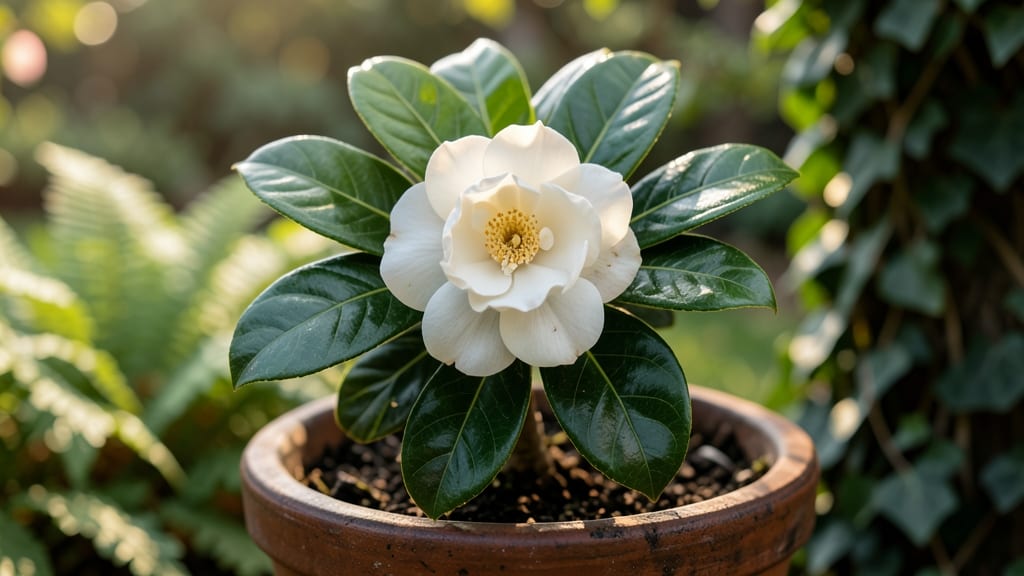
To grow thriving gardenias 🌸, you need to master their gardenia sunlight requirements—partial shade with morning sun—or risk scorched leaves and sparse blooms.
Struggling to keep your gardenia blooming? The secret lies in mastering its sunlight needs—too much sun scorches leaves, while too little stunts growth. Here’s how to strike the perfect balance for lush, fragrant gardenias year-round.
Gardenias crave bright, indirect light, ideally 2-4 hours of morning sun paired with afternoon shade. In USDA Zone 6a, this means positioning them near an east-facing window or under dappled shade outdoors during peak summer heat.
Below, I’ll break down how to adjust care based on your climate, spot signs of sunlight stress, and optimize light exposure—even in low-light spaces—to keep your gardenia blooming like a pro.
 Best Window Placement
Ideal sunlight conditions for gardenias: partial shade vs. morning sun
Gardenias thrive in bright, indirect light, but their sunlight needs vary by variety. Most gardenias—like the common Gardenia jasminoides—require 30-60% sunlight, meaning they need morning sun and afternoon shade.
This balance prevents leaf scorch while ensuring enough light for blooming. Understanding these nuances is key to keeping your gardenia healthy and fragrant.
The term partial shade often confuses gardeners. For gardenias, it means 2-4 hours of morning sun (6 AM–10 AM) paired with filtered light or shade for the rest of the day.
Afternoon sun, especially between 12 PM–4 PM, is particularly harmful because it intensifies heat and UV exposure, leading to brown, crispy leaves. Think of it like giving your gardenia a gentle sunrise and a cozy afternoon nap.
Not all gardenias are created equal. Cape Jasmine (Gardenia augusta), for example, tolerates slightly more sun—up to 50% sunlight—but still needs afternoon shade in hot climates.
Meanwhile, dwarf gardenias (like 'Kleim's Hardy') prefer even lighter conditions, thriving in 20-30% sunlight. Matching your variety’s needs is the first step to avoiding common sunlight mistakes.
| Variety | Ideal Sunlight | Morning Sun (6 AM–10 AM) | Afternoon Shade (12 PM–4 PM) | Notes |
|---|---|---|---|---|
| Common Gardenia (Gardenia jasminoides) | 30–60% sunlight | 2–4 hours | Full shade or dappled light | Best for USDA Zones 7–10 |
| Cape Jasmine (Gardenia augusta) | 40–50% sunlight | 3–4 hours | Light shade or sheer curtain | Tropical variety; needs humidity |
| Dwarf Gardenia ('Kleim's Hardy') | 20–30% sunlight | 1–2 hours | Indirect light only | Hardy to Zone 6; minimal sun needed |
| Indoor Gardenia (Potted) | 20–40% sunlight | 1–3 hours (east window) | Avoid direct sun; use sheer curtains | Rotate pot weekly for even growth |
Seasonal adjustments are critical for gardenias, especially if you’re growing them outdoors. In spring and fall, gardenias can handle slightly more sunlight (up to 50%) as temperatures are milder.
However, during summer’s peak heat, reduce exposure to morning sun only (2–3 hours) and provide afternoon shade with a 30-50% shade cloth or by planting near taller shrubs.
Indoor gardenias face unique challenges. A south-facing window might seem ideal, but the intense afternoon sun can burn leaves within days. Instead, place your potted gardenia near an east-facing window where it gets gentle morning light.
If your home lacks natural light, supplement with a grow light (12–14 hours/day) positioned 12–18 inches above the plant. Avoid placing gardenias in dark corners—they’ll grow leggy and sparse, with few blooms.
Monitoring your gardenia’s sunlight is easier than you think. Start by observing the shadow patterns in your garden. If your gardenia is in a spot where shadows are shorter than the plant itself during midday, it’s getting too much sun.
Conversely, if new growth looks pale and stretched, it’s not getting enough light. Adjust gradually—moving a gardenia from full shade to partial sun should happen over 2–3 weeks to avoid shock.
Pro tip: Use a light meter app (like Light Meter) to measure lux levels. Gardenias thrive in 10,000–20,000 lux of light. If readings are below 10,000 lux, consider relocating or adding a grow light.
In hot, dry climates (like Arizona or Texas), mulch around the base of your gardenia with 3–4 inches of organic mulch to retain moisture and reduce heat stress from reflected sunlight.
Even with perfect sunlight, gardenias need consistent moisture to thrive. When adjusting their light exposure, also tweak your watering schedule. Plants in lower-light conditions (like dwarf varieties) need watering every 5–7
Signs your gardenia isn’t getting the right sunlight (and how to fix it)
If your gardenia is struggling with yellowing leaves, sparse blooms, or leggy stems, sunlight might be the culprit. Gardenias thrive in partial shade with morning sun only, but they’re sensitive to both too much and too little light.
Let’s diagnose the issue and fix it before your plant declines further.
First, check your gardenia’s current location. Too much afternoon sun causes leaf scorch (brown, crispy edges), while insufficient light leads to pale, weak growth and fewer flowers. Even indoor gardenias near west-facing windows may suffer from heat stress. Let’s troubleshoot step by step.
Gardenias cannot tolerate direct afternoon sun—it burns leaves and stunts growth. Common mistakes include:
- Placing them in full sun (especially west/south exposure).
- Moving them abruptly between high-light and low-light spots.
- Ignoring indoor light—even east windows can be too intense without shade.
Fix it: Use 30-50% shade cloth in summer or relocate to dappled shade under trees.
Start by examining your gardenia’s leaves. Yellowing between veins often signals too much sun, while yellowing with weak stems points to insufficient light. If leaves are small and sparse, your plant is stretching toward light—a classic sign of light deprivation.
Take notes on which leaves show symptoms and where they’re located on the plant.
Next, assess your gardenia’s blooming habits. Fewer flowers or buds dropping before opening usually mean stress from sunlight. Gardenias need consistent light (4-6 hours of morning sun) to set buds.
If your plant is blooming poorly, try moving it to a sunnier spot in spring (when buds form) but shadier in summer (when flowers open).
For leggy stems, the solution is simple: prune and relocate. Cut back overly stretched growth by 1/3 to encourage bushier, stronger branches. Then, place your gardenia in a brighter spot (but still with afternoon shade).
If indoors, rotate the pot quarter-turns weekly to prevent lopsided growth from uneven light.
Use this quick checklist to diagnose and fix sunlight issues:
- ☑️ Check leaf color: Yellow between veins? Too much sun.
- ☑️ Observe stem growth: Leggy? Not enough light.
- ☑️ Monitor blooms: Dropping buds? Sunlight stress.
- ☑️ Test location: Move to east-facing window or dappled shade.
With these adjustments, your gardenia should bounce back with healthier foliage and more fragrant blooms within weeks. 🌸