
Pests
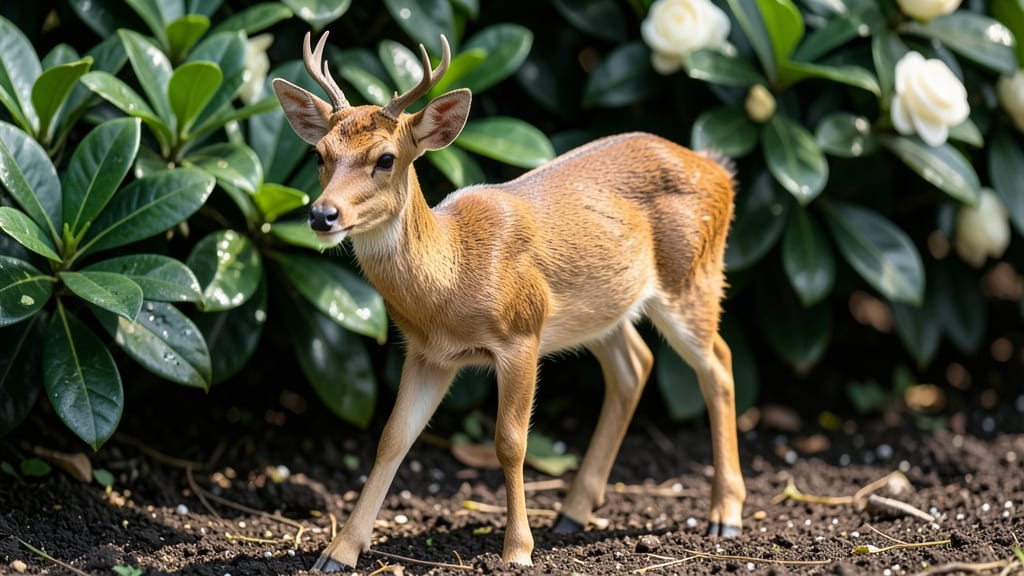
Gardenia plants naturally repel deer thanks to their intense floral scent and waxy foliage, which deer find unpalatable and overwhelming. While these shrubs aren't deer-proof, their natural chemistry makes them far less appealing than most garden plants.
Deer have an incredibly sensitive sense of smell—up to 100 times stronger than ours—and gardenias emit powerful floral compounds like linalool and benzyl acetate that trigger avoidance instincts. 🌿 The glossy, thick leaves also lack the tender appeal deer seek in drought conditions, though severe food shortages can override these preferences.
For best results, plant gardenias near property edges or pair them with deer-deterring companions like lavender or boxwood to create a multi-layered defense system.
This natural repellency works best when gardenias are healthy and thriving, as stressed plants produce weaker fragrances. Regular pruning to maintain dense foliage and strategic placement in high-traffic deer areas can significantly reduce browsing damage over time.
💡 In This Article
- Why Deer Dislike Gardenia Plants: Scent and Texture Science
- Deer-Resistant Gardenia Planting Strategies for Landscapes
Why deer dislike gardenia plants: scent and texture science
Deer possess an olfactory system so refined it can detect scents at concentrations as low as 5 parts per trillion—far beyond human capability. Gardenias emit complex aromatic compounds like linalool (found in lavender) and benzyl acetate (a jasmine derivative) that create their signature sweet, heavy fragrance.
These compounds don't just smell strong to us; to deer, they're overwhelming signals of potential toxicity or poor nutrition, triggering an instinctive avoidance response. 🌸 Studies show deer will bypass gardenias even when surrounded by more palatable plants, demonstrating how powerfully these scents deter browsing.
The chemical composition works in tandem with gardenias' physical characteristics. Their waxy, leathery leaves contain high levels of tannins—bitter compounds that make them unappealing as food. Unlike tender annuals, gardenias have a fibrous, dense structure that requires significant chewing effort, which deer prefer to avoid.
The plant's natural oils also leave a sticky residue on deer's mouths, further reinforcing the unpleasant sensory experience. This dual defense system—powerful scent plus unpalatable texture—creates a formidable barrier against deer browsing.
Seasonal variations play a critical role in this dynamic. During peak blooming season (spring to early summer), gardenias release the highest concentrations of repellent compounds, making them most effective at deterring deer.
However, in late fall or during droughts when food is scarce, deer may target gardenias despite their natural defenses. The key is maintaining plant health—well-watered, thriving gardenias produce stronger fragrances and more robust foliage, enhancing their deer-repelling properties. 🌿
Deer also exhibit behavioral patterns tied to scent perception. They typically avoid plants with strong, sweet aromas because these often indicate high moisture content or poor nutritional value—both red flags for their survival instincts. Gardenias' fragrance profile mimics these warning signals, creating an automatic rejection response.
Unlike deer-resistant plants that rely on toxicity (like daffodils), gardenias work through sensory cues alone, making them a natural and chemical-free deterrent option.
For maximum effectiveness, consider planting gardenias in clusters rather than isolated specimens. The concentrated scent becomes even more potent when multiple plants bloom simultaneously, creating a scent barrier that deer are less likely to cross.
This clustering effect also enhances the visual appeal of your landscape while maintaining the plant's natural deer-deterring properties. The combination of scent intensity and physical plant structure makes gardenias one of nature's most effective deer-repelling shrubs. 🌿