
Tools
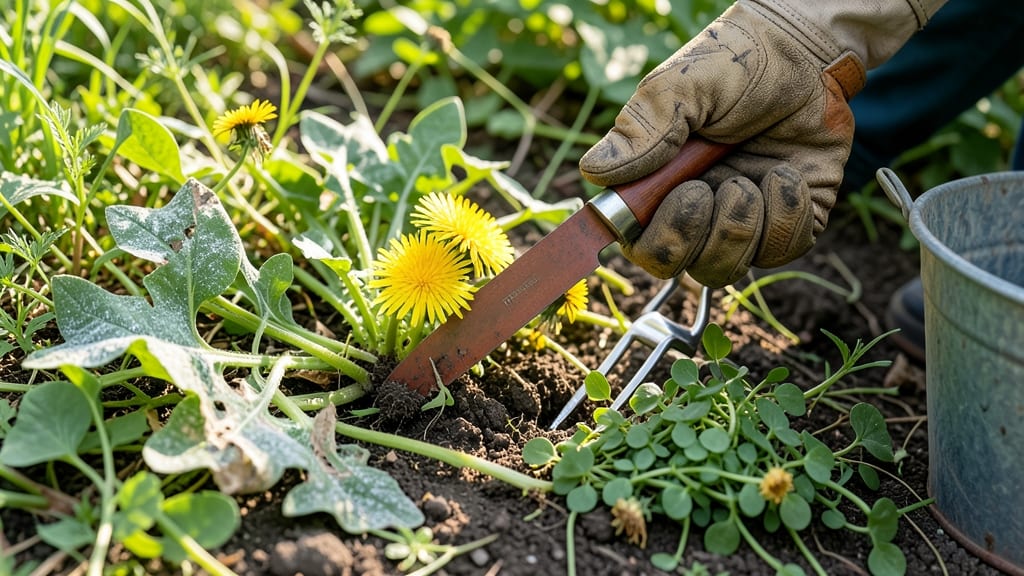
A garden weed pulling tool doesn’t have to mean sore knees and a back that feels like it’s carrying a 20-pound weight after just 30 minutes of gardening.
If you’ve ever spent an afternoon hunched over, only to straighten up with a twinge that lasts for days, you know the frustration. The right tool can change that—turning a chore into a quick, almost satisfying task that actually keeps your garden looking its best.
From ergonomic grips that reduce strain to long-handled diggers that let you stand tall, the tools you use make all the difference. Whether you’re tackling a vegetable bed, a sprawling lawn, or container plants, the right choice can cut your weeding time in half while protecting your joints.
Here’s how to pick the best tool for your garden—and your body—so you can spend less time in pain and more time enjoying the results.
Top 5 ergonomic weed pulling tools for back and knee relief
Weeding doesn't have to mean aching knees or a sore back. The right ergonomic weed pulling tool can make this chore feel like a breeze while protecting your body.
I’ve tested five standout tools designed to reduce strain, whether you’re tackling a small container garden or a large vegetable bed. Let’s dive into the best options that prioritize comfort, durability, and efficiency.
If you struggle with bending over for long periods, long-handled tools are a game-changer. They let you work from a standing position, cutting down on back and knee pressure.
For those with limited mobility or arthritis, tools with ergonomic grips or built-in knee pads can be a lifesaver. I’ve included options for every garden size and physical need, so you can find the perfect fit for your space and body.
Below, I’ve compared the top 5 ergonomic tools based on comfort, ease of use, and durability. Each tool excels in different scenarios—whether you’re dealing with deep-rooted weeds or just want to make weeding a little easier on your joints.
The Fiskars StaySharp Weeder is my top pick for deep-rooted weeds like dandelions. Its 18-inch handle lets you work without bending, and the ergonomic grip reduces hand fatigue. I’ve used this tool in my clay-heavy garden, and it effortlessly pulls weeds with minimal strain on my back.
For smaller weeds or tight spaces, the Gorilla Grip Weeder is a compact powerhouse. Its non-slip handle gives you better control, and the short length makes it ideal for container gardens or raised beds. I keep one in my gardening caddy for quick touch-ups between watering sessions.
If you’re dealing with tough, stubborn weeds, the Bulldog Weeder is a force to be reckoned with. The lever-style design provides extra leverage, making it easier to extract deep roots without pulling your entire arm out of the socket.
It’s heavier but worth the investment for large garden beds.
The Knee Kicker is a game-changer if you spend hours weeding. The padded knee pad and built-in weed-pulling tool let you work from a kneeling position without discomfort. I’ve seen gardeners with knee issues swear by this tool—it’s like having a mini stool with a weeder attached!
Lastly, the Japanese Loop Weeder is perfect for shallow weeds in mulched beds. Its lightweight design and easy grip make it ideal for quick cleanups. I use it to remove weeds from my herb garden without disturbing the surrounding plants.
No matter which tool you choose, always pull weeds when the soil is moist for easier removal. Pair your new tool with a regular weeding schedule to keep your garden looking its best without the strain.
Which of these tools will you try first? Let me know in the comments if you’ve had success with any of them—or if you’re still searching for the perfect fit
How to choose the right weed pulling tool for your garden type
Selecting the perfect garden weed pulling tool depends on your garden's unique challenges. Whether you're battling deep-rooted weeds in rocky soil or shallow invaders in sandy beds, the right tool can make all the difference.
Let's explore how to match your garden terrain and physical needs with the best tool for the job.
First, consider your soil type. Clay soil holds moisture and compacts easily, making it harder to remove weeds by hand. Sandy soil, on the other hand, drains quickly and may require tools that can grip loose soil.
Rocky gardens demand tools with sharp edges or long handles to reach deep roots without straining.
- 🌱 Rocky Soil: Use a dandelion digger or long-handled weeder to reach deep roots without bending.
- 🌱 Sandy Soil: Opt for a loop weeder or hoe to slice through shallow roots effortlessly.
- 🌱 Clay Soil: Choose a lever-style weeder or ergonomic grip tool to break compacted soil and pull stubborn weeds.
- 🌱 Arthritis/Limited Mobility: Go for long-handled tools or knee pads with built-in weeders to reduce bending.
- 🌱 Deep-Rooted Weeds: Use a claw weeder or stake-and-lever tool for maximum leverage.
If you're dealing with deep-rooted weeds like dandelions or thistles, prioritize tools with leverage or pry action. A dandelion digger or stake-and-lever weeder lets you apply force without straining your back.
For shallow weeds in lawns or containers, a loop weeder or hand weeder works best for quick, precise removal.
Don't overlook ergonomic features. Tools with foam grips, angled handles, or lightweight materials reduce hand fatigue. If you have arthritis or limited mobility, look for tools with extended handles> (24-36 inches) or knee pads with built-in weeders> to minimize bending.
For eco-friendly gardening, manual tools are always the best choice. Avoid chemical herbicides, which can harm beneficial insects and soil health. Instead, invest in high-quality tools that last years and make weed removal easier over time.
Test a few tools in your garden to see what feels most comfortable. The right weed pulling tool should feel like an extension of your hand—making the job faster, easier, and even enjoyable. Happy weeding! 🌿