
Tools
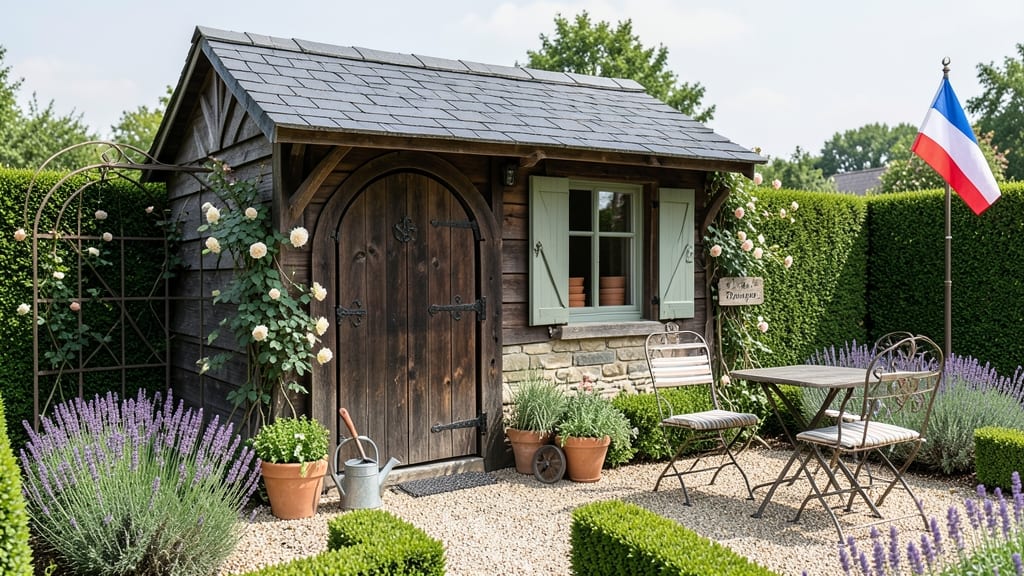
French garden sheds are most commonly called cabane de jardin, though regional names like abri de jardin or chalet de jardin also appear. These terms highlight France's blend of rustic storage solutions and countryside aesthetics.
French garden shed terminology isn't just about names—it's a reflection of regional craftsmanship and practical needs. 🌿 In rural areas, abri de jardin often refers to simpler, more functional structures, while chalet de jardin suggests a more decorative, alpine-inspired design.
The term cabane carries a universal appeal, blending the charm of a small cabin with the utility of outdoor storage. What's fascinating is how these names evolved alongside France's agricultural traditions, where sheds were essential for protecting tools and seasonal harvests.
If you're considering a French-inspired shed, pay attention to architectural details like slate roofs or wooden shutters—these aren't just decorative but practical for France's varied climates.
For example, a chalet-style shed might be ideal in mountainous regions, while a cabane with a simple metal roof could work better in coastal areas. The choice often comes down to balancing aesthetics with functionality, just as the French have done for centuries.
💡 In This Article
- French Garden Shed Terminology: Regional and Historical Nuances
- How to Choose the Right French-Inspired Garden Shed Style
French garden shed terminology: regional and historical nuances
The term cabane de jardin literally translates to "garden cabin" and emerged during the 19th century when French rural households began designing dedicated outdoor storage spaces. Unlike earlier utilitarian structures, these cabanes incorporated architectural elements like sloped roofs and wooden paneling, reflecting France's growing appreciation for countryside aesthetics.
The name itself carries connotations of coziness and functionality—think of a miniature version of a chalet, but scaled for garden tools rather than alpine living.
Regional variations reveal fascinating cultural distinctions. In northern France, you'll often hear abri de jardin (literally "garden shelter"), which typically describes smaller, more basic structures with corrugated metal or simple shingle roofs. This reflects the region's practical approach to weather protection, where durability outweighs ornamental details.
Meanwhile, in southern Francechalet de jardin dominates, inspired by the region's love for alpine-style architecture with exposed wooden beams and stone foundations. These sheds often feature terracotta roof tiles, a nod to traditional Mediterranean building practices.
Historically, these structures served critical agricultural functions. Before modern plastic storage bins, French farmers relied on sheds to protect tools from rain, humidity, and pests. The term remise (used in Quebec and some rural French areas) originally referred to a barn-like structure where harvests were stored before processing.
Today, this word has expanded to include garden sheds, illustrating how terminology evolves alongside changing needs. The shift from purely functional to aesthetically pleasing designs mirrors France's broader cultural shift toward jardin à la française—the artful arrangement of gardens as extensions of home living spaces.
Climate plays a surprising role in these naming conventions. In coastal regions like Brittany, abri de jardin structures often incorporate vinyl or metal siding to resist salt air corrosion, while inland sheds might use cedar wood for natural rot resistance.
The chalet style, popular in mountainous areas, features steeply pitched roofs to shed heavy snow—an adaptation you won't find in Mediterranean designs where flat or gently sloped roofs prevail. These practical adaptations explain why no single term dominates nationwide.
Even the materials tell a story. Traditional cabanes in Normandy might use stone foundations and thatched roofs, while Provence sheds favor wrought iron accents and pastel-colored shutters. The choice of materials wasn't just aesthetic—it reflected local availability.
For instance, slate roofs (a hallmark of French rural architecture) were common in Brittany where slate quarries abound, while wooden shakes dominated in forested regions. This regional material diversity contributes to why "garden shed" has no single French equivalent—each term carries its own geographic and functional identity.
What's particularly interesting is how these terms have crossed into modern French gardening culture. Today, a cabane de jardin might double as a potting shed with built-in workbenches, while an abri could house a composting system.
The evolution shows how French gardeners have maintained traditional terminology while adapting to contemporary needs. Whether you're restoring an old chalet-style shed or building a new one, understanding these nuances helps you choose a structure that aligns with both French heritage and practical modern living.