
Landscaping
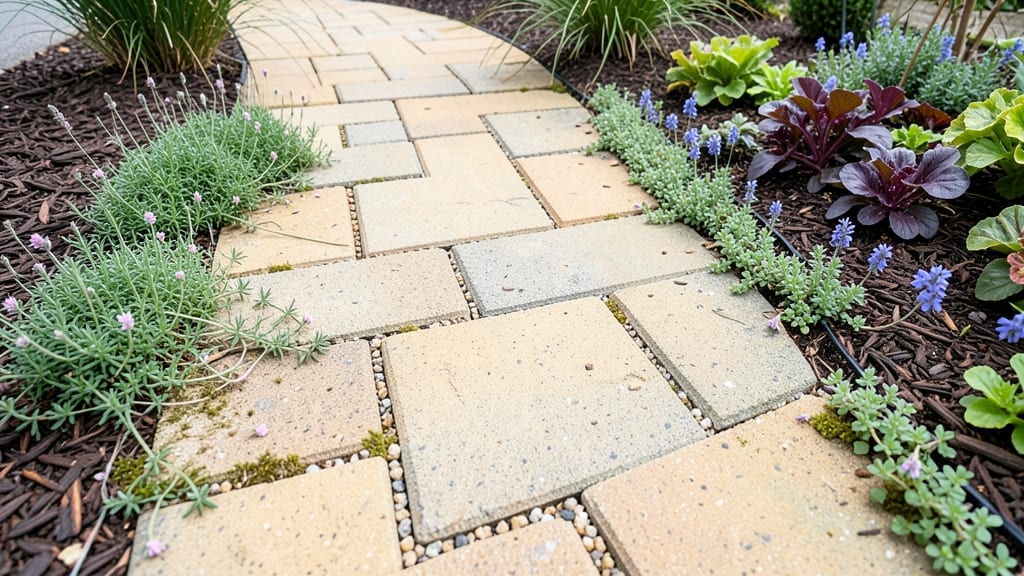
Creating a stylish garden path with pavers can instantly boost your outdoor space’s charm and functionality.
Picture this: a winding path that guides guests through your yard with every step, blending beauty and durability. The right layout turns a simple walkway into a focal point that stands up to seasons and foot traffic. Whether you love modern lines or rustic textures, pavers offer endless design possibilities.
Beyond aesthetics, pavers provide superior drainage and easy maintenance, making them a smart choice for any garden. From herringbone patterns to simple straight lines, each style brings its own character to your landscape.
In this guide, I’ll share 15 eye-catching layouts, material tips, and step-by-step installation advice to help you design a path that’s both stunning and built to last.
15 Stylish garden path paver layouts for every garden style
Your garden path isn’t just a functional walkway—it’s the backbone of your outdoor design. The right paver layout can transform a simple path into a stunning focal point that complements your garden’s style.
Whether you love modern minimalism, rustic charm, or formal elegance, there’s a paver pattern that will make your space pop. Let’s explore 15 eye-catching designs that work for any garden aesthetic.
From classic herringbone patterns to free-form random rustic layouts, each design offers unique visual appeal and practical benefits. The key is choosing a pattern that matches your garden’s vibe while ensuring durability for years of use.
For example, straight-line layouts work beautifully in formal gardens, while organic curves suit natural landscapes.
Before diving into designs, consider your paver materials. Concrete pavers offer affordability and versatility, while natural stone adds timeless elegance. Brick pavers bring warmth and texture, perfect for cottage-style gardens. Each material pairs differently with patterns—let’s explore how to make the best choices for your space.
For modern gardens, consider a herringbone pattern with sleek concrete pavers. This layout creates dynamic visual interest while maintaining clean lines. Pair it with low-profile lighting along the edges to highlight the path at night.
The key is using uniform pavers in neutral tones like gray or beige for a contemporary look.
If you’re aiming for rustic charm, a basketweave pattern with natural stone pavers works wonders. This
How to choose durable pavers for high-traffic garden paths
When designing a high-traffic garden path, durability is just as important as aesthetics. The pavers you choose will determine how long your path stays beautiful and functional. I’ve learned that material type, thickness, and weather resistance are the top factors to consider before making a purchase.
Let’s break down the essentials to help you make an informed decision.
First, consider the foot traffic your path will endure. Family walkways, pet paths, or garden guest routes all require different levels of durability.
For example, a path leading to your backyard patio will need sturdier pavers than one used occasionally for gardening tasks. Slip resistance is another critical factor, especially in areas prone to rain or morning dew.
Durable Paver Materials: Pros & Cons
- Affordable and widely available
- Consistent shapes and sizes
- Customizable colors and textures
- Good for DIY installations
- Highly durable and long-lasting
- Unique, natural aesthetic appeal
- Excellent slip resistance
- Resists weathering better than concrete
- Can crack under heavy loads
- Less eco-friendly than natural options
- Limited natural texture options
- More expensive upfront
- Heavier, requiring professional installation
- Limited color variety
For concrete pavers, I recommend choosing those with a minimum thickness of 2 inches for high-traffic areas. They’re budget-friendly and easy to install, but they may not handle extreme weather as well as natural stone.
Look for pavers with a textured surface to improve slip resistance, especially in wet climates. Brands like Belgard or Unilock offer excellent options for durability.
If you prefer natural stone pavers, consider materials like bluestone, granite, or sandstone. These options are heavier and more expensive but offer superior durability and a timeless look.
For instance, bluestone is particularly slip-resistant when wet, making it ideal for garden paths near water features or in rainy regions. Always check the compressive strength rating—aim for at least 5,000 PSI for heavy foot traffic.
Don’t overlook the importance of weatherproofing. Whether you choose concrete or stone, ensure your pavers have a sealed finish to protect against moisture, freeze-thaw cycles, and UV damage.
For concrete, a penetrating sealer works well, while natural stone benefits from a breathable sealant that allows moisture to escape. Reapply the sealant every 2-3 years to maintain longevity.
Finally, think about maintenance requirements. Concrete pavers are easier to clean and repair, while natural stone may require occasional re-sealing. If you have kids or pets, consider stain-resistant pavers to keep your path looking fresh.
For example, acid-etched concrete pavers resist stains better than smooth finishes. With the right choice, your garden path will remain a durable and attractive feature for years to come. 🌿