
Vegetables
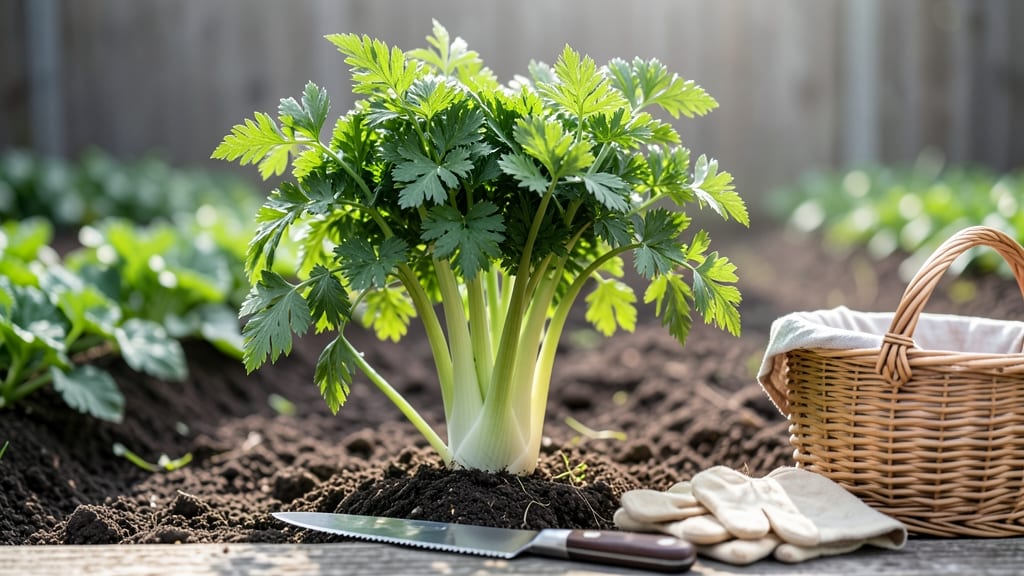
Harvesting garden celery at the right time ensures crisp, flavorful stalks and encourages your 🥬 plants to regrow for a second harvest.
Harvesting celery from your garden can be tricky—cut too early, and you lose flavor; cut too late, and you risk stunting regrowth. But with the right timing and technique, you can enjoy a continuous supply of fresh, homegrown celery all season long.
Most gardeners wait until stalks reach 10-12 inches tall and feel firm to the touch, but knowing when to cut isn’t just about size—it’s also about leaf health and stalk thickness. Miss these cues, and your plant may never recover.
In this guide, I’ll walk you through the exact signs of readiness, the best cutting methods to preserve regrowth, and how to store your harvest so it stays crisp for weeks. Let’s make sure your celery keeps giving!

Optimal harvesting time for garden celery: signs it’s ready
Knowing when to harvest your garden celery makes all the difference between crisp, flavorful stalks and bitter, woody regrowth. The perfect harvest moment balances maturity, texture, and the plant’s ability to regenerate.
Celery typically reaches harvest readiness between 100-160 days after sowing, but visual cues are far more reliable than days alone.
Celery’s outer leaves act as a natural indicator—when they begin turning brown and dry, it’s a clear signal that the inner stalks are nearing peak flavor.
These leaves protect the plant but also signal maturity. Ignoring this sign can lead to over-mature celery, which becomes tough and loses its signature crunch.
🌱
| Maturity Indicator | Description | Action |
|---|---|---|
| Stalk Height | 10-12 inches tall | Harvest when stalks reach this height |
| Leaf Color | Outer leaves turn brown | Check leaves daily for browning |
| Stalk Texture | Firm and crisp | Squeeze stalks gently to test firmness |
| Base Thickness | Thick and white | Inspect base for thickness before cutting |
| Growth Days | 100-160 days | Monitor days from seed sowing |
The base of the stalks is another critical clue—look for a thick, white core that signals optimal maturity. This is where the plant stores energy, and cutting too early means missing out on the sweetest, most tender parts.
If the base appears green or thin, wait a few more days for full development.
Don’t rely solely on stalk height—some varieties like ‘Tall Utah’ or ‘Golden Self-Blanching’ grow taller but may not be ready until they reach 14-16 inches.
Always pair height with the other maturity signs to avoid mistakes. For example, a 12-inch stalk with soft leaves isn’t ready, even if it’s the expected height.
Seasonal timing also plays a role: spring-planted celery often matures faster in cooler weather, while fall crops may take longer due to heat stress. In my Zone 6a garden, I’ve found that harvesting in late June for spring plantings and October for fall plantings yields the best results.
One common mistake is harvesting when the outer leaves are still vibrant green. These leaves protect the plant and contribute to regrowth—removing them too soon can shock the celery and reduce future yields. Instead, trim only the outermost brown leaves and leave the green ones intact to support the plant.
For continuous harvests, I recommend cutting only the outer stalks first, allowing the inner ones to mature. This method mimics natural regrowth patterns and ensures your celery plant keeps producing for 6-8 weeks after the initial harvest.
Think of it like pruning a herb garden—you want to encourage bushier, denser growth.
🌿
Finally, always harvest on a dry, sunny morning to prevent disease and ensure the stalks stay crisp. Wet conditions can lead to rot or fungal issues, while afternoon harvesting may cause wilting.
After cutting, store your celery in the refrigerator with a damp paper towel to maintain freshness for up to 2 weeks.
✂️
Step-by-step guide to cutting celery for maximum regrowth
Harvesting your homegrown celery properly ensures you get the most flavorful stalks while keeping your plant healthy for continuous regrowth. The key lies in using the right cutting techniques and tools to avoid damaging the plant’s core.
Unlike many vegetables, celery can regrow multiple times if handled carefully, giving you a steady supply throughout the season.
Before you begin, gather your sharp pruning shears or a clean knife—dull tools crush the celery stalks and invite disease. Work on a dry, sunny morning when the plant’s moisture levels are balanced.
This isn’t just about cutting; it’s about encouraging regrowth by leaving enough energy in the roots to produce new shoots.
How to Cut Celery for Regrowth
- 1 Select the right stalks: Choose the outer stalks that are 10-12 inches tall and tightly packed. Avoid cutting the innermost stalks to protect the plant’s core.
- 2 Use sharp tools: Sterilize your pruning shears or knife with rubbing alcohol. Cut at a 45-degree angle about 1 inch above the base to prevent water from pooling.
- 3 Leave the center intact: Never cut more than 1/3 of the stalks at once. The innermost stalks should remain untouched to fuel regrowth and protect the plant’s heart.
- 4 Remove outer leaves: Strip away any yellowed or wilted leaves after cutting. These leaves compete with new growth for nutrients and can harbor pests.
- 5 Fertilize lightly: After harvesting, apply a balanced fertilizer (5-10-10) around the base. This gives the plant a nutrient boost to recover and produce new shoots within 4-6 weeks.
After cutting, store your harvested celery in a plastic bag in the fridge to maintain crispness. But don’t forget the plant—it’s now working overtime to regenerate. Keep the soil consistently moist (about 1 inch of water per week) and mulch around the base to retain moisture and suppress weeds.
This step is crucial for encouraging new celery regrowth.
With proper care, your celery plant can produce 3-4 harvests per season. The first regrowth may take 4-6 weeks, but subsequent harvests become quicker as the plant establishes a stronger root system. Always prioritize outer stalks over inner ones to preserve the plant’s ability to regenerate.
If you notice yellowing leaves or stunted growth after harvesting, it’s a sign of over-harvesting or nutrient deficiency. Adjust your approach by cutting fewer stalks next time and adding compost to replenish the soil. Patience and precision are your best tools for a thriving celery patch all season long. 🥬