
Tools
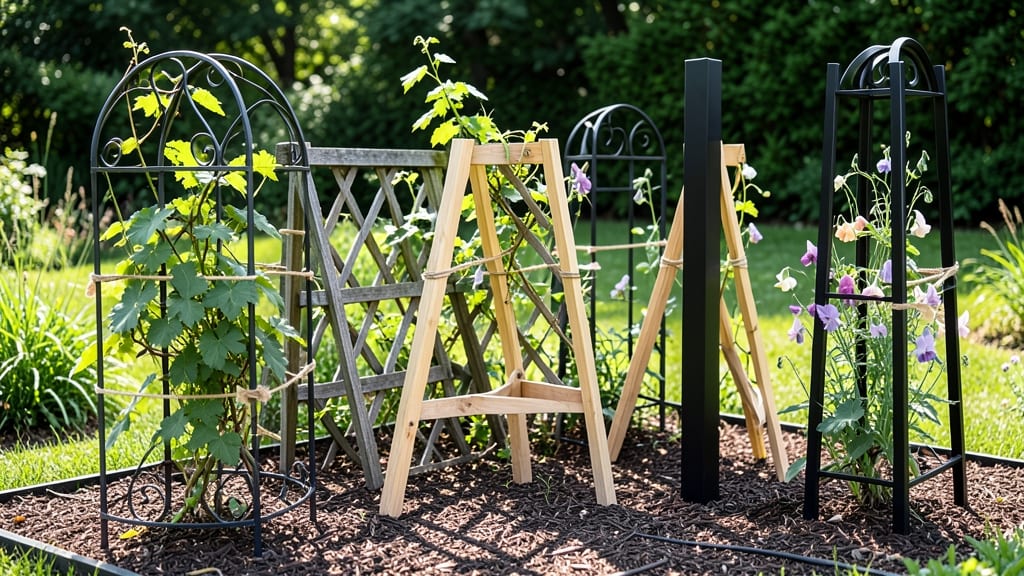
Transforming your garden bed with trellis ideas can turn climbing plants like the elegant Clematis Vine 🌿 into a vertical masterpiece while saving precious space.
Picture this: a compact garden bed bursting with lush vines and blooms, all without sacrificing your lawn or walkway. The right trellis design doesn’t just support your plants—it elevates your garden’s aesthetic and functionality.
Whether you’re working with a small balcony or a sprawling backyard, the perfect trellis can maximize vertical growth, making room for more plants below. From rustic wood to sleek metal, we’ll explore materials, layouts, and DIY-friendly options that fit any style or budget.
Ready to discover 15 space-saving designs that bring your garden to life? Let’s get started with trellis ideas that blend beauty with practicality.
15 Space-saving trellis designs for small garden beds
Small garden spaces don’t mean sacrificing vertical beauty! With the right trellis designs, you can train climbing plants like cucumbers, roses, or clematis to grow upward, freeing up precious floor space.
The key is choosing structures that fit snugly into corners, hug walls, or nestle between plants without overwhelming your bed. These space-saving trellises maximize growth while keeping your garden tidy and organized.
Whether you prefer DIY-friendly materials like bamboo or durable metal obelisks, there’s a trellis style to match every garden aesthetic and plant type. For example, corner trellises make perfect use of awkward spaces, while wall-mounted designs add vertical interest without taking up ground space.
Let’s explore 15 creative options that will transform your compact garden into a lush, upward-reaching paradise.
| Trellis Type | Best For | Materials | Space Savings | Plant Pairings |
|---|---|---|---|---|
| Corner Trellis Arches | Tight corners, small beds | Bamboo, PVC, metal | Uses 2 corners | Clematis, roses, jasmine |
| Wall-Mounted Grid | Vertical walls, fences | Wood lattice, chicken wire | Zero floor space | Ivy, beans, peas |
| Mini Obelisk | Center of beds, containers | Metal, bamboo stakes | Fits 12"x12" space | Cucumbers, pole beans |
| Hanging Trellis Basket | Patios, decks, railings | Wicker, plastic | Suspends above ground | Strawberries, herbs |
| Spiral Trellis | Small raised beds | PVC pipes, wire | Fits 18" diameter | Peas, sweet peas |
| Tiered Trellis | Multi-level planting | Wood planks, metal brackets | 3 levels in 24" | Tomatoes, squash |
| Arcing Trellis | Pathway edges | Flexible metal, willow | Follows bed shape | Morning glories, hops |
| Floating Shelf Trellis | Indoor/outdoor spaces | Wood, brackets | Doubles as shelf | Herbs, small veggies |
| Hedge Trellis | Privacy screens | Metal mesh, wood | Replaces fence | Climbing hydrangeas |
| Pallet Wood Trellis |
How to choose the best trellis material for your climbing plantsSelecting the right trellis material can make or break your climbing plant's success. Heavy vines like clematis or grapevines need sturdy supports, while lightweight beans thrive on simple structures. The material you choose affects durability, aesthetics, and ease of installation—so let's break down your options to find the perfect match for your garden. Your climbing plants will thank you for thoughtful material choices. For example, wood trellises offer classic charm but may rot over time, while metal structures resist weather but can rust if untreated. Each material has unique strengths, and the best choice depends on your garden's needs and your plants' growth habits. Trellis Material ComparisonBamboo
Pros:
- Lightweight yet strong - Natural, rustic look - Affordable and sustainable - Easy to install
Cons:
- Limited height options - May attract pests - Requires occasional sealing Metal
Pros:
- Extremely durable - Rust-resistant (with treatment) - Modern, clean aesthetic - Supports heavy vines
Cons:
- Can get hot in sun - More expensive - May require painting Wood
Pros:
- Classic, natural look - Customizable shapes/sizes - Budget-friendly options - Easy to paint/stain
Cons:
- Requires maintenance - Can warp or rot - Heavier than other options Plastic
Pros:
- Lightweight and portable - Rust-proof and rot-proof - Affordable - Easy to clean
Cons:
- Less sturdy for heavy vines - Can look cheap - Limited design options For heavy climbers like clematis or wisteria, I recommend metal trellises or treated cedar wood. These materials handle the weight and provide the stability your plants need to thrive. If you're growing lighter plants like pole beans or cucumbers, bamboo or plastic trellises offer excellent value without sacrificing support. Consider your garden's aesthetic too. A wood trellis blends beautifully with cottage gardens, while metal arches add a modern touch to contemporary spaces. Don't overlook plastic options either—they're perfect for renters or those who need temporary solutions. Always match the material to your plant's growth habits and your garden's overall style. Pro tip: For long-term durability, treat wood with a sealant and choose galvanized metal to prevent rust. If you're unsure, start with a bamboo trellis—it's versatile, affordable, and works well for most climbing plants. Your garden bed trellis ideas should balance function, beauty, and practicality for the best results. Remember that climbing plants will grow faster and stronger with proper support. Choose a material that won't outgrow your plants' needs or require constant maintenance. With the right trellis, you'll create a vertical garden that's both functional and stunning. |