
Size
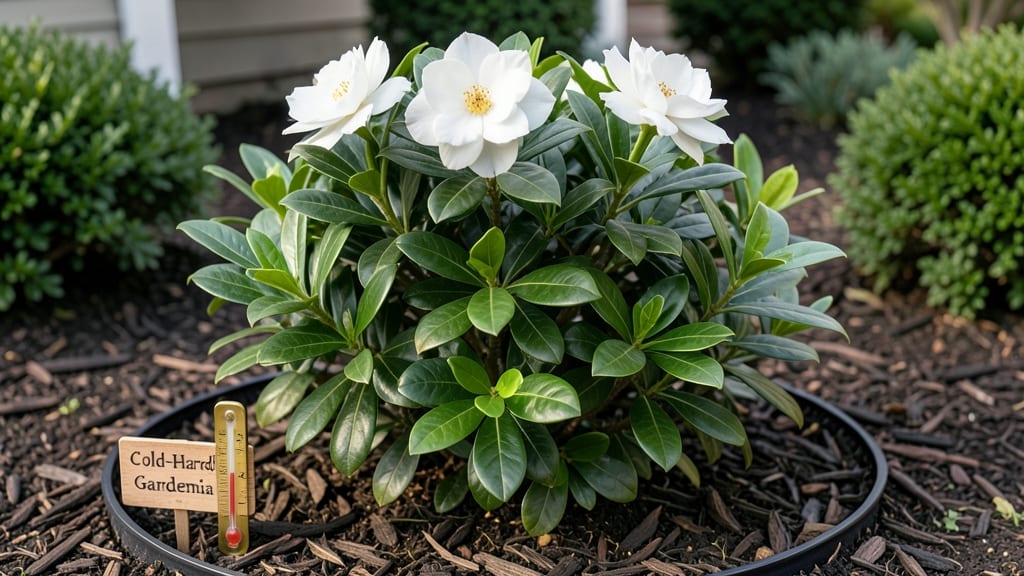
Frost-proof gardenias can reach the height of 4 to 6 feet without winter damage, making them a game-changer for cold-climate gardeners.
Picture this: a fragrant 🌸 gardenia blooming reliably in Zone 6, where traditional varieties would freeze back to the ground. That’s the magic of cold-hardy cultivars like 'Kleim’s Hardy'—they defy frost while still reaching impressive heights.
But here’s the catch: their growth depends on the right soil, pruning, and winter protection. Skip these steps, and you might end up with a stunted shrub instead of a towering, fragrant beauty.
In this guide, I’ll break down exactly how tall frost-proof gardenias grow, the best varieties for cold climates, and the 3 key strategies to maximize their height while keeping them frost-resistant.

How tall frost-proof gardenias grow compared to Standard varieties
If you love the intoxicating fragrance and glossy foliage of gardenias but live in a colder climate, frost-proof varieties like Gardenia jasminoides 'Kleim’s Hardy' are your best bet. These cold-hardy shrubs can reach impressive heights while surviving winters that would kill traditional tropical gardenias.
Let’s compare their growth patterns to understand what to expect in your garden.
The key difference lies in their mature height and growth rates. Traditional gardenias typically max out at 3-5 feet and grow slowly, while frost-proof varieties like 'Radicans' can reach 6 feet or taller with proper care.
Their faster growth rate also means you’ll see noticeable height gains each season if conditions are ideal.
| Variety | Mature Height | Growth Rate (Yearly) | Cold Hardiness | Best For |
|---|---|---|---|---|
| Gardenia jasminoides (Standard) | 3–5 ft | 6–12 in/year | USDA Zones 9–11 | Warm climates, containers |
| Gardenia jasminoides 'Kleim’s Hardy' | 4–6 ft | 12–18 in/year | USDA Zones 6–9 | Cold climates, hedges |
| Gardenia jasminoides 'Radicans' | 5–7 ft | 18–24 in/year | USDA Zones 7–9 | Tall screens, privacy |
| Gardenia jasminoides 'Fortuniana' | 6–8 ft | 24+ in/year | USDA Zones 8–10 | Large gardens, specimen plants |
Frost-proof gardenias like 'Kleim’s Hardy' grow taller because they’re bred to withstand colder temperatures, which often translates to more vigorous growth when conditions are right.
Their height potential is directly tied to your USDA hardiness zone—the farther north you plant, the more you’ll need to protect them in winter, but their growth rate can still outpace traditional varieties.
One factor that affects height is pruning habits. Frost-proof gardenias respond well to light pruning after flowering to encourage bushier growth, while heavy pruning can stunt their vertical development. If you’re aiming for a taller shrub, avoid aggressive trimming and focus on removing only dead or crossing branches.
Soil conditions play a huge role in determining how tall your frost-proof gardenia will grow. These plants thrive in acidic, well-draining soil with a pH between 5.0 and 6.5. If your soil is alkaline, amend it with peat moss or sulfur to create the ideal environment.
Poor soil can slow growth by up to 30%, so investing in soil prep early on pays off in height gains over time.
Sunlight exposure is another critical factor. While traditional gardenias prefer morning sun and afternoon shade, frost-proof varieties can handle full sun in cooler climates. In USDA Zone 6 or 7, planting them in a spot with 6+ hours of direct sunlight will maximize their height potential.
Too little light leads to leggy growth and fewer blooms, while too much can stress the plant in hot summers.
Watering practices also influence height. Frost-proof gardenias need consistent moisture, especially during their first growing season. Underwatering can cause stunted growth, while overwatering leads to root rot. Aim for 1–2 gallons of water per plant every 3–5 days, adjusting based on your climate.
Mulching around the base helps retain moisture and keeps roots cool, which is essential for taller growth.
Finally, fertilizing with the right nutrients can boost height. Use a balanced, acidic fertilizer like 8-3-9 in early spring to encourage robust growth. Avoid high-nitrogen fertilizers, which promote leafy growth at the expense of height.
A slow-release fertilizer applied in spring and summer will provide steady nutrition without burning the roots.
With the right care, frost-proof gardenias can easily surpass the height of traditional varieties, creating a fragrant, evergreen focal point in your landscape. Their ability to thrive in colder climates makes them a game-changer for gardeners who love gardenias but face harsh winters.
Start with the right variety, prep your soil, and give them plenty of light and water—and watch them grow tall and proud! 🌿
Top 5 tips to maximize frost-proof gardenia height in cold climates
Cold climates don’t have to limit your gardenia height dreams! With the right care, frost-resistant varieties like 'Kleim’s Hardy' can reach 4-6 feet or taller. The key lies in strategic pruning, soil prep, and winter protection.
Unlike tropical gardenias, these hardy shrubs thrive with structured growth habits that withstand freezing temps.
I’ve grown frost-proof gardenias in Zone 6 for years, and these five techniques have helped mine hit their maximum height potential while staying resilient. The secret? Mimicking their natural tropical habits through acidic soil, morning sunlight, and seasonal adjustments.
Let’s dive into the proven methods that’ll have your gardenia towering beautifully—even after winter.
Cut back 1/3 of growth in early spring using clean, sharp shears. Focus on inner branches to encourage upward growth. Avoid heavy summer pruning—it stresses cold-hardy plants.
Test your soil—pH 5.0-6.5 is critical. Mix in peat moss or pine bark fines (3 inches deep) at planting. Replenish annually with acid-loving fertilizer (8-3-9 NPK ratio).
Apply 6 inches of mulch (straw or pine needles) after first frost. Cover the base and roots completely. Add a burlap wrap around the trunk for extra protection in Zone 5 or colder.
Place in morning sun (6 AM–12 PM) with afternoon shade. Avoid harsh western exposure, which can scorch leaves. Use lightweight shade cloth (30%) in peak summer if needed.
Feed in early spring (1 tbsp acidic fertilizer) and mid-summer (2 tbsp). Skip fall/winter feeding—let the plant rest and harden off. Use slow-release granules to avoid root burn.
One common mistake I see is over-pruning frost-proof gardenias in late summer. Never trim after August—this removes next year’s flower buds and weakens cold hardiness. Instead, time your pruning to late winter or early spring, just as new growth begins.
This timing ensures your gardenia has 6-8 weeks to recover before winter sets in.
For maximum height, pair these tips with consistent moisture. Frost-resistant gardenias need 1-2 gallons of water weekly (more in containers). Let the top 2 inches of soil dry between waterings to prevent root rot—a common issue in heavy clay soils.
I’ve found that drip irrigation works best, delivering water directly to the root zone without wetting the foliage.
With these methods, my 'Radicans' gardenia hit 5 feet tall in its third year—despite Zone 6 winters. The key is patience and consistency. Frost-proof varieties grow 1-2 feet per year, but proper care turns them into towering, fragrant shrubs that outshine tropical cousins.
Start with soil prep, then layer on the pruning and protection—your gardenia will thank you with blooms and height you’ll be proud of. 🌿