
Tools
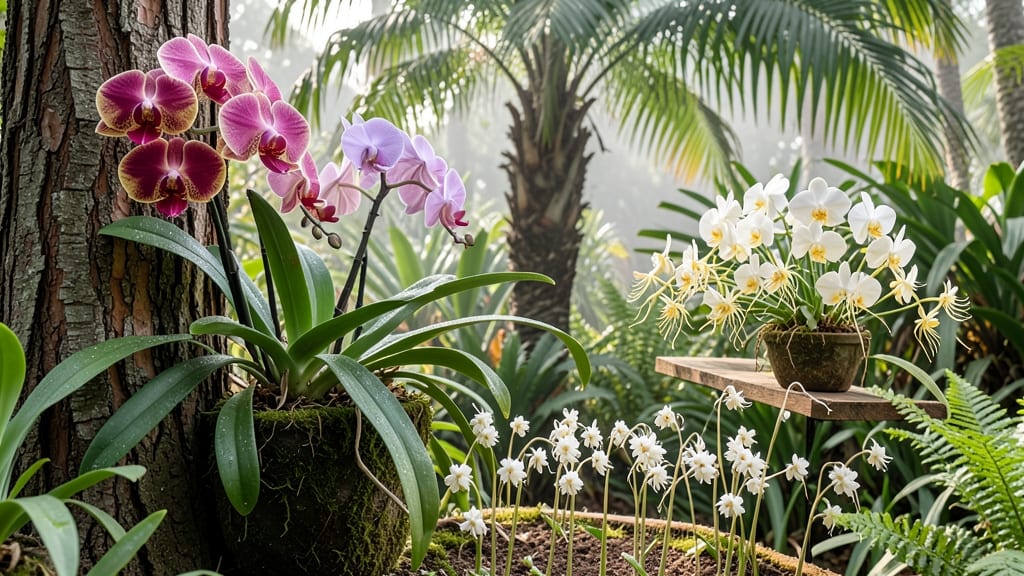
Florida botanical gardens feature stunning native plants, rare orchids, and specialized collections such as bromeliads and palms, providing lush scenery and peaceful walking paths year-round for garden lovers and casual explorers.
A Florida botanical garden is more than just a collection of plants—it's a living showcase of the state's diverse ecosystems. 🌿 These gardens often highlight Florida's unique flora, like the endangered Florida torreya and iconic coontie palms, while also featuring exotic species from around the world.
Many gardens are designed to thrive in Florida's humid climate, with some plants blooming year-round thanks to the state's mild winters and long growing season.
What makes these gardens special is their ability to blend education with relaxation. Visitors can wander through themed sections dedicated to specific plant families or conservation efforts, all while enjoying shaded trails and serene landscapes.
Whether you're a plant enthusiast or just looking for a peaceful outdoor escape, Florida's botanical gardens offer something for everyone.
💡 In This Article
- Florida Botanical Gardens’ Unique Plant Ecosystems
- Best Florida Botanical Gardens for Visitors
Florida botanical gardens’ unique plant ecosystems
Florida’s botanical gardens thrive on a delicate balance of native species and exotic imports, creating ecosystems that mirror the state’s diverse geography.
Native plants like the coontie palm (Zamia integrifolia), a cycad that pre-dates the dinosaurs, have evolved to survive Florida’s humid subtropical climate, with thick, waxy leaves to conserve moisture during dry spells.
Meanwhile, the endangered Florida torreya (Torreya taxifolia) thrives in the state’s cooler microclimates, its fleshy, blue-black fruits providing food for wildlife like birds and small mammals.
These plants exhibit fascinating adaptations—like the air plants (tillandsias), which absorb nutrients through their leaves rather than roots, perfectly suited for Florida’s sandy, nutrient-poor soils.
The state’s year-round growing season allows many plants to bloom continuously, but seasonal shifts still play a critical role.
For example, the bromeliads—a staple in Florida gardens—often produce vibrant flowers in spring and summer, while palms like the sabal palm (Sabal palmetto) maintain their lush foliage year-round, acting as a natural air purifier by filtering pollutants.
The Marie Selby Botanical Gardens in Sarasota, for instance, features a cloud forest conservatory where humidity levels are carefully controlled to mimic the high-altitude environments of tropical mountains, allowing delicate orchids like the Cattleya to thrive in conditions they’d never encounter naturally in Florida.
What truly sets Florida’s botanical gardens apart is their role in conservation and education. Many gardens participate in seed banking programs to preserve endangered species, such as the Florida scrub jay’s native habitat plants.
The Fairchild Tropical Botanic Garden in Miami, for example, hosts a living museum of tropical plants, where visitors can see how species like the mangrove (Rhizophora mangle) develop specialized root systems to thrive in saltwater.
These gardens also serve as outdoor classrooms, offering programs on pollinator gardens, native landscaping, and even citizen science initiatives where visitors can help track plant health and wildlife interactions.
Climate change poses unique challenges to these ecosystems, particularly with rising sea levels and increased storm intensity. Gardens like Dan Beard Big Cypress Swamp Sanctuary are experimenting with elevated garden beds and salt-tolerant plant species to future-proof their collections.
The Florida Native Plant Society works closely with these gardens to identify resilient species, such as the saw palmetto (Serenoa repens), which can withstand drought and fire—critical traits as Florida’s climate becomes more unpredictable.
Visitors often don’t realize how much these gardens are active research hubs, where scientists study plant responses to environmental stressors in real time.
For plant enthusiasts, the sensory experience is unmatched.
Walking through a Florida botanical garden means encountering fragrant blooms like the yellow jessamine (Gelsemium sempervirens), whose sweet, intoxicating scent fills the air in spring, or the crunch of pine needles underfoot in the longleaf pine forests of gardens like Archbold Biological Station.
The textural contrast between the smooth bark of a live oak and the spiky fronds of a saw palmetto adds another layer of engagement. Even the soil itself varies dramatically—from the peaty, acidic soils of the Everglades to the limestone-based soils of central Florida, each supporting different plant communities.
The magic of these gardens lies in their ability to educate while immersing visitors in nature’s beauty. Whether you’re marveling at the bioluminescent fungi in the shaded understory or learning how fire-adapted plants like the scrub oak regenerate after wildfires, every trail offers a new discovery.
The combination of scientific rigor and aesthetic wonder makes Florida’s botanical gardens a must-visit for anyone curious about how plants survive—and thrive—in one of the most ecologically dynamic regions on Earth. 🌿